At 62, This Farmer Found a Social Security Tax Break Hidden Inside His USDA Conservation Checks.
His USDA conservation check arrives the same as always, but one Social Security decision changes how much of it the IRS can touch. Most farmers on CRP contracts never learn this rule exists until they have already left money on…


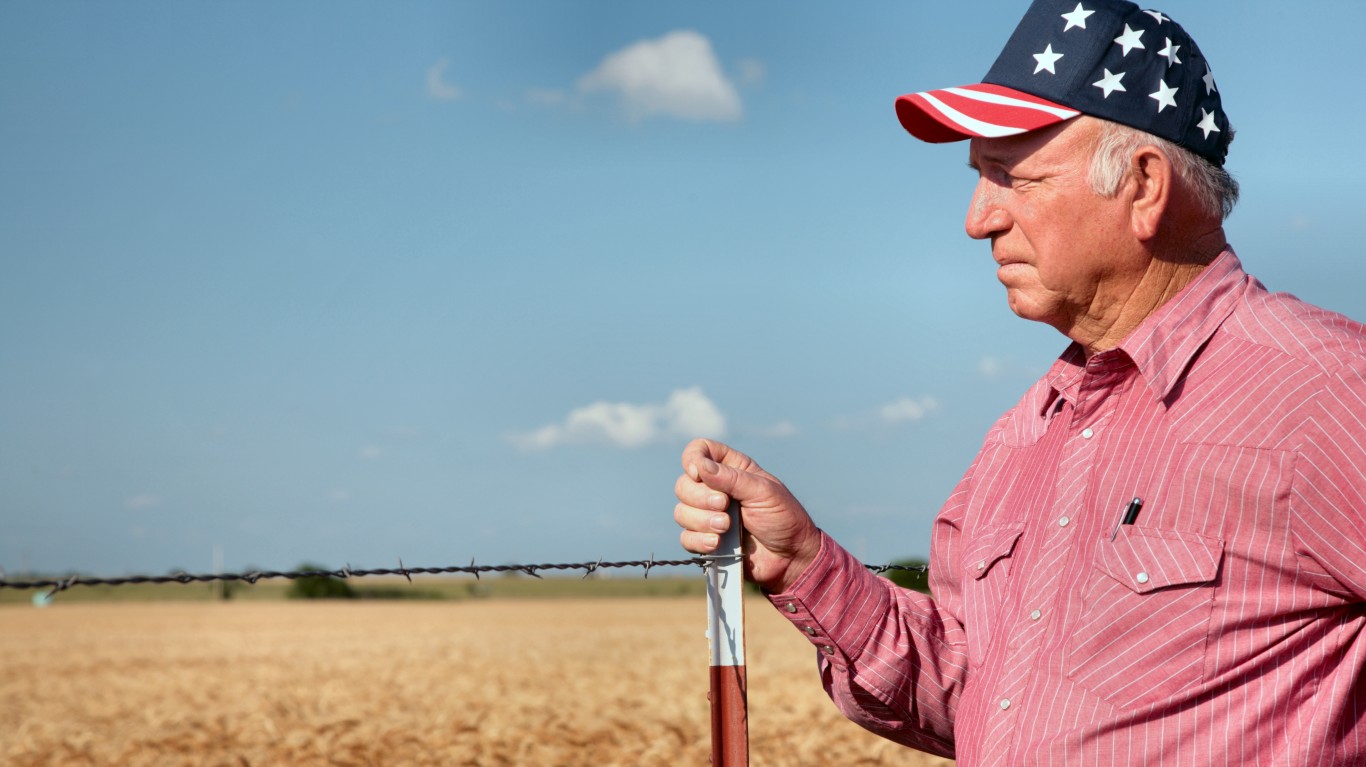
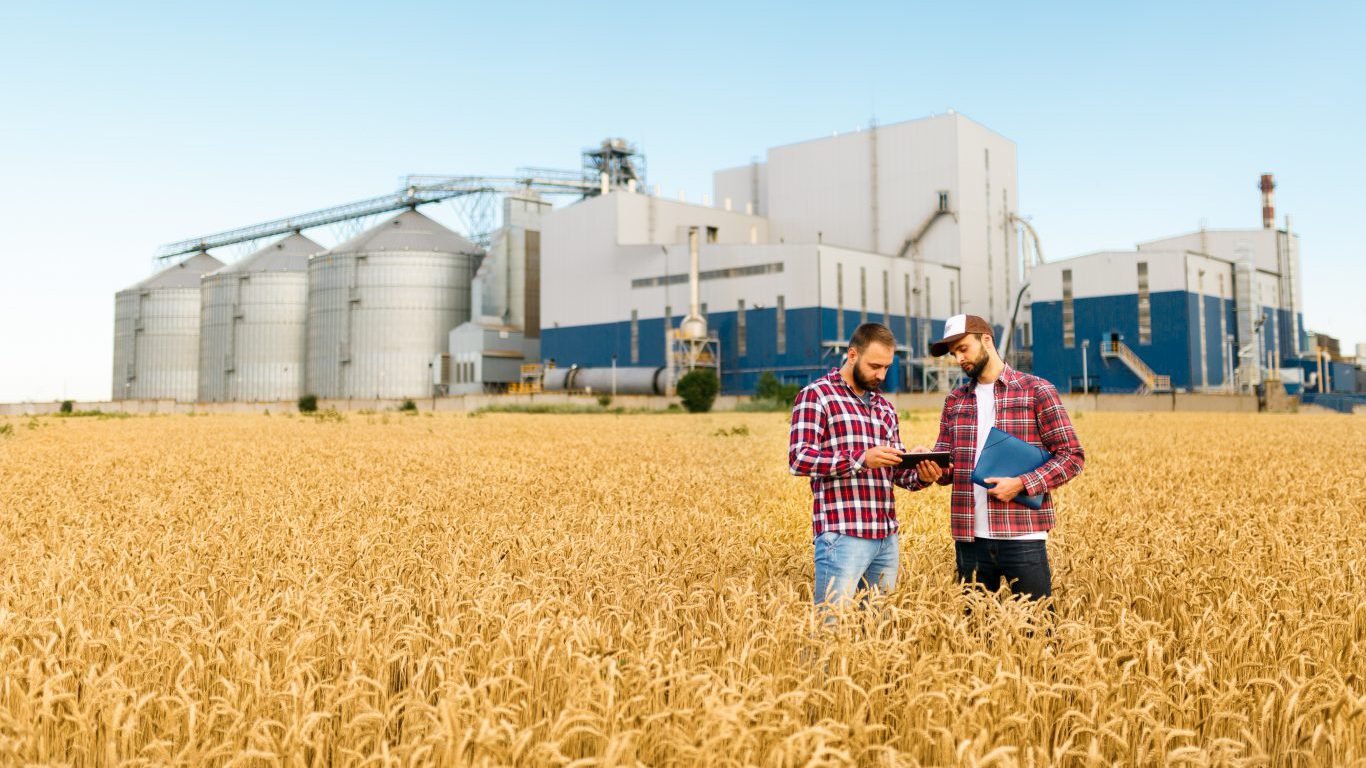
A farmer in his early 60s enrolls 300 acres in the Conservation Reserve Program (CRP), the U.S. Department of Agriculture initiative that pays annual rent to take environmentally sensitive ground out of production. He remains active on the rest of the farm, still files Schedule F, and is weighing when to claim Social Security.
On his tax return, the CRP check can behave differently depending on one fact: whether he was receiving Social Security when the payment arrived. Farm forums are full of landowners asking why their CRP payments showed up on Schedule SE and whether claiming Social Security would change that. The answer is yes, because of a carve-out most people never encounter until a tax preparer points it out.
The Tax That Hinges on Claiming
CRP annual rental payments generally enter net earnings from self-employment and can be subject to the Social Security and Medicare portions of self-employment tax. On a meaningful CRP contract, that is real money leaving the farm every April. The IRS provides a specific exception. If an individual was receiving Social Security retirement or disability benefits when the CRP payment arrived, the payment can be subtracted when calculating net earnings on Schedule SE. Same check, same land, same farmer. Different line on the tax return.
Suppose his annual CRP payment is $40,000. If the full amount is subject to self-employment tax and he has not already reached the Social Security wage ceiling through other earnings, the tax could approach $5,650. If he is receiving Social Security when the next payment arrives, the CRP amount can be removed from that calculation. The exclusion does not make the payment tax-free. CRP income still appears on the federal return and can affect the taxation of Social Security, the income-tax bracket, and other income-based calculations. What disappears is the self-employment tax on that payment.
Weighing It Against the Cost of Claiming Early
The carve-out is valuable. It is not automatically a reason to file at 62. Anyone born in 1960 or later has a full retirement age (FRA) of 67. Claiming at 62 reduces the monthly retirement benefit by 30%. If his benefit at 67 would be $2,400, starting at 62 lowers it to approximately $1,680. That is $720 less each month after 67, with future cost-of-living adjustments (COLAs) applied to the smaller amount.
If he is the higher earner and dies first, the decision may also leave his surviving spouse with a smaller benefit. Waiting is not free, either. He gives up five years of checks by delaying from 62 to 67. The CRP exclusion adds another wrinkle because claiming sooner could also eliminate several years of self-employment tax on those USDA payments. With a $40,000 annual CRP check, the potential tax savings over five years could reach well into five figures.
That changes the calculation. It does not settle it. Health, longevity, spousal protection, other farm income, and the number of years remaining on the CRP contract all belong on the same page.
The Earnings-Test Catch
A second Social Security rule matters if he keeps farming after filing. Before FRA, Social Security can withhold benefits when wages or net self-employment earnings exceed the annual earnings-test limit. CRP payments excluded from net earnings under the special rule should not create that problem. Profit from the acres he continues to farm still can.
A farmer could therefore remove the CRP payment from Schedule SE and still have Social Security checks withheld because the rest of the operation produces too much earned income. One exemption does not retire the whole farm.
How the Pieces Fit Together
The CRP exclusion becomes most useful when it lines up with a wider transition. Perhaps he plans to reduce production, stop materially participating in some acreage, and let CRP payments and Social Security become the new income floor. In that case, the tax break supports a retirement decision he was already prepared to make.
Before filing, two calculations deserve attention:
- Confirm how the CRP payments are reported today and estimate the self-employment tax that would disappear after benefits begin. The timing matters because he must be receiving Social Security when the payment arrives.
- Compare those annual savings with the monthly benefit at 62, 67, and 70. Include the earnings test on any farm profit that will continue after the claim.
The hidden tax break is real. The mistake would be letting one favorable line on Schedule SE make a lifetime Social Security decision by itself.
Contact [email protected] for any questions or corrections.
Gerelyn Terzo is the author of dividend investing handbook "Dividend Investing Strategies: How to Have Your Cake & Eat It Too." A veteran financial journalist, she covers agri-finance for outlets like Global AgInvesting and the broader stock market and personal finance for 24/7 Wall Street. She began at CNBC and later helped launch Fox Business in New York. Gerelyn currently resides in Woodland Park, Colorado and dabbles in nature photography as a hobby.