He Cut Timber for 40 Years and the Pay Built Social Security. The $180,000 From His Own Woodlot Added $0 to His Record.
A timber sale that dwarfs a lifetime of logging paychecks can flip the usual rules of Social Security in ways most workers never see coming.

This post may contain links from our sponsors and affiliates, and Flywheel Publishing may receive compensation for actions taken through them.

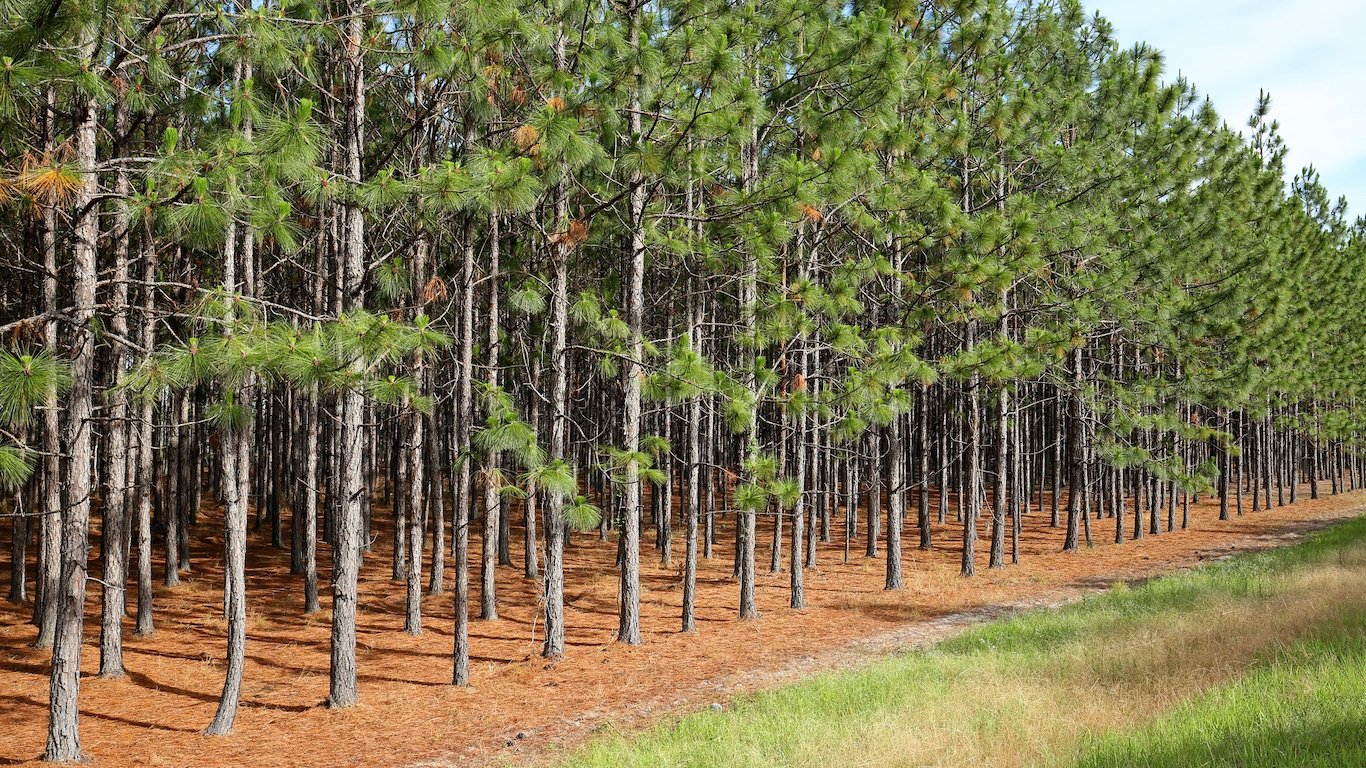
Picture a man who spent 40 years cutting other people’s trees on contract. His logging business generated net self-employment earnings year after year, building the Social Security record that will eventually determine his retirement benefit.
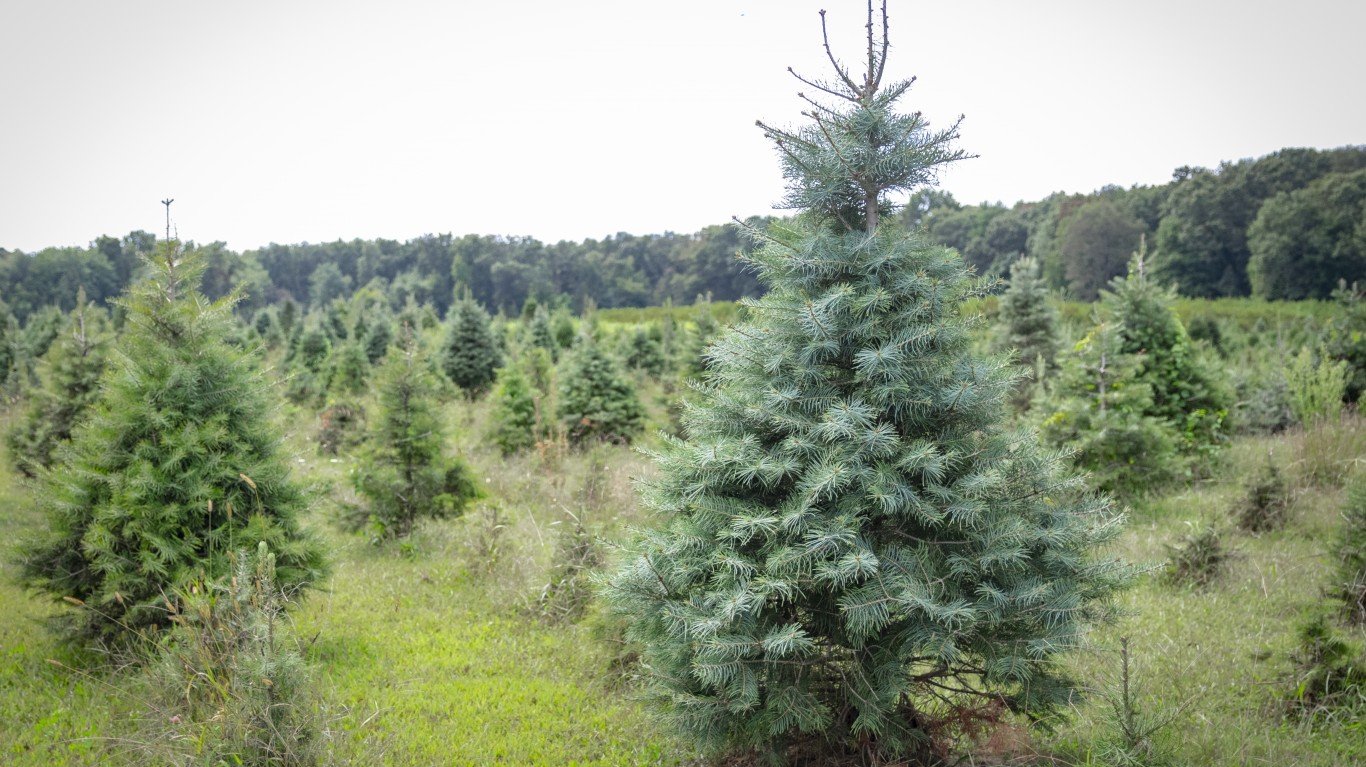
Near the end of his career, he makes the biggest deal of his life. A buyer pays $180,000 for standing timber on a woodlot he has owned for years. The money is real, the gain is taxable, and yet none of it may add a dollar to the Social Security earnings history he spent four decades building.
Labor and Ownership Land in Different Places
Social Security bases retirement benefits on a worker’s highest 35 years of indexed covered earnings. Wages and net earnings from self-employment can enter that calculation, subject to the annual Social Security taxable maximum, which stands at $184,500 in 2026. Capital gains do not count toward that ceiling or below it. That creates a sharp distinction for the logger: money earned cutting timber for customers is compensation for work, while a qualifying gain from selling standing timber he owns is income from an asset.
The reason goes deeper than a labeling difference. Self-employment earnings trigger the 15.3% self-employment tax, and it is that tax that funds the Social Security and Medicare record. Timber sold as a capital asset escapes self-employment tax entirely. No self-employment tax means no contribution to the earnings record, regardless of the dollar amount on the check.
The IRS allows outright sales of timber by landowners to qualify for capital-gain treatment under special timber rules. Certain cutting contracts can also receive Section 1231 treatment when requirements such as ownership, a holding period of more than one year, and retention of an economic interest are met. How the timber is held and how the transaction is structured both matter. The $180,000 check can dwarf any single logging payment he ever received while adding nothing to the earnings record used to calculate his Social Security benefit.
At 63, That Can Actually Help Him
Assume he has already claimed Social Security at 63. He is below full retirement age (FRA), which is 67 for someone born in 1960 or later, so earnings from continued work can trigger the retirement earnings test. In 2026, someone below FRA for the entire year can earn $24,480 before Social Security withholds $1 in benefits for every $2 above the limit. SSA specifically excludes gains from the sale of capital assets and certain other property from earnings counted under the test.
The timber sale can therefore produce the opposite result from another $180,000 of logging income. It does not improve his future Social Security calculation, but a qualifying capital gain also does not consume the earnings-test limit simply because a six-figure check arrived. The character of the income determines both outcomes: the same dollar cannot be treated as work when it is convenient and ownership when it is not.
The Tax Bill Can Still Reach His Social Security
The sale is not invisible everywhere. The $180,000 purchase price is also not necessarily $180,000 of taxable gain. His adjusted timber basis reduces the amount realized in determining gain, which makes decades-old acquisition and capitalized-cost records surprisingly valuable. Timber basis may also be recovered through depletion when timber is cut, further reducing what remains as gain.
Whatever capital gain remains can push up the combined income used to determine whether Social Security benefits are federally taxable. That combined income figure equals adjusted gross income plus tax-exempt interest plus one-half of Social Security benefits. For a single filer, combined income above $34,000 can make up to 85% of benefits taxable; the threshold for married couples filing jointly is $44,000. Those figures have not been adjusted for inflation since 1993, so a large timber gain can drag a retiree well past them. The timber money can then create an odd one-way effect: a higher tax burden surrounding his Social Security, with no corresponding increase in the benefit itself.
Before the Trees Come Down
The contract and the records should be settled before the harvest begins, particularly for someone approaching a Social Security claiming decision.
- Pull the Social Security earnings record first. If low years remain among the highest 35, another year of covered work may improve the benefit. A capital-gain timber sale will not replace one of those years.
- Establish timber basis and transaction structure before signing. An outright sale, a cutting contract, and timber the owner cuts himself can produce different tax results, and old acquisition and forestry records may determine how much of the $180,000 is actually gain.
- If benefits have already started before FRA, separate the tax question from the earnings-test question. A qualifying capital gain may raise taxable income while remaining outside Social Security’s definition of earnings.
For 40 years, he made money with a chainsaw and Social Security kept score. The day he finally sold the trees themselves, the scoreboard stopped moving.
Editor’s note: This update adds the 2026 Social Security taxable wage base of $184,500, the specific combined-income thresholds ($34,000 single, $44,000 married) above which up to 85% of benefits become federally taxable, and the fact that those thresholds have not been adjusted for inflation since 1993. It also adds context explaining that timber capital gains escape self-employment tax entirely, which is the mechanical reason they do not build a Social Security earnings record.
Contact [email protected] for any questions or corrections.
Gerelyn Terzo is the author of dividend investing handbook "Dividend Investing Strategies: How to Have Your Cake & Eat It Too." A veteran financial journalist, she covers agri-finance for outlets like Global AgInvesting and the broader stock market and personal finance for 24/7 Wall Street. She began at CNBC and later helped launch Fox Business in New York. Gerelyn currently resides in Woodland Park, Colorado and dabbles in nature photography as a hobby.