He Sold $250,000 of East Texas Pine. Social Security Cared More About How He Sold It Than the Price.
A $250,000 timber check sounds like a windfall, but for an early Social Security claimant, the way those trees get harvested can mean the difference between a tax-efficient payday and a benefit clawback that no one saw coming.

This post may contain links from our sponsors and affiliates, and Flywheel Publishing may receive compensation for actions taken through them.
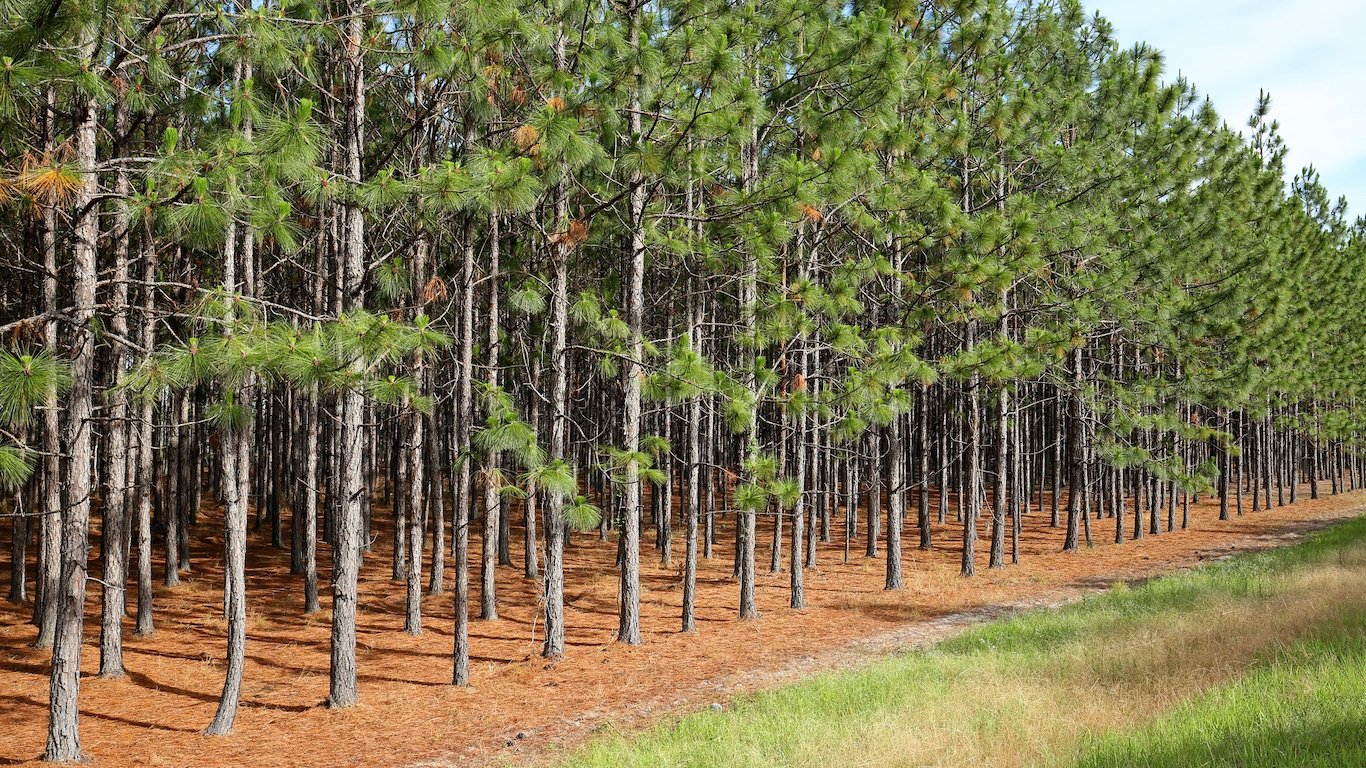
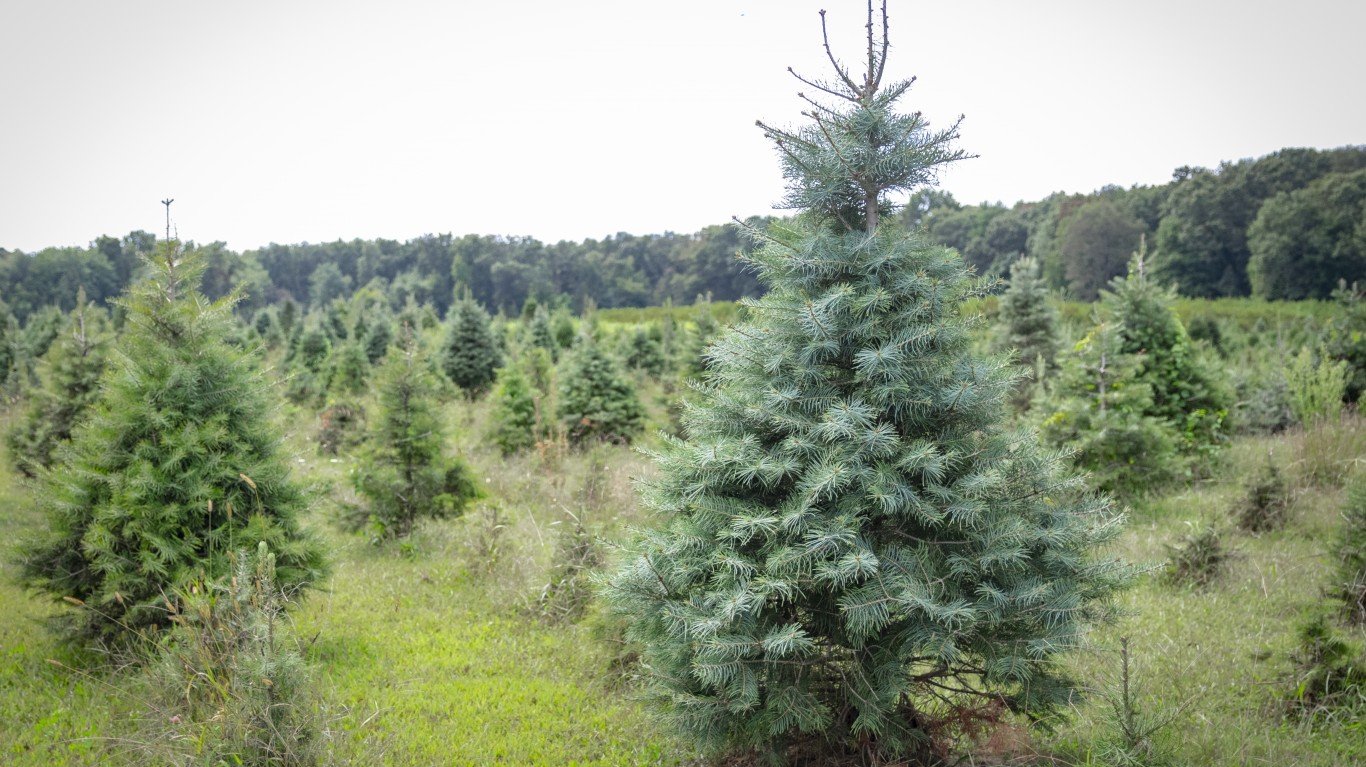
Picture a man in his mid-sixties who inherited pine acreage in East Texas and has watched the trees mature for years. He claimed Social Security before full retirement age (FRA), which is 67 for someone born in 1960 or later. Then a timber buyer puts $250,000 on the table.
The size of the check naturally gets his attention. For Social Security, however, the more important question is how those trees have been held and how he sells them. A qualifying timber sale can produce capital gain that stays outside the retirement earnings test. Ordinary income from an active timber or farming business can land on the other side.
Selling the Timber Can Keep It Outside Earnings
Timber grown on investment property can be a capital asset, and outright sales of qualifying timber by landowners can receive capital-gain treatment under federal timber rules. The IRS also provides special treatment for certain cutting contracts when the owner has held the timber for more than one year. That matters to an early Social Security claimant because capital gain is not wages or net earnings from self-employment.
In 2026, someone below FRA for the entire year can earn $24,480 before the retirement earnings test begins withholding $1 in benefits for every $2 above the limit. A qualifying capital gain does not use up that earnings allowance. The tradeoff is equally important. Capital gain does not add covered earnings to his Social Security record either. The $250,000 can increase his wealth without increasing the earnings history used to calculate his monthly retirement benefit.
Cutting the Trees Does Not Automatically Flip the Answer
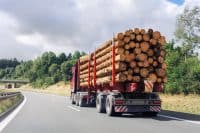
The saw itself is not the dividing line. If he regularly cuts timber and sells logs, firewood or pulpwood as part of a farm or timber business, the proceeds can be ordinary business income. SSA specifically treats timber income as farm income when the timber was grown on the farm, the gain is not treated as capital gain and the timber operation is tied to the farm business.
But federal tax law also allows an owner who has held timber for more than one year to elect special treatment when cutting timber for sale or business use. Under Section 631(a) of the Internal Revenue Code, the value attributable to the timber at the time specified by the rule can receive Section 1231 treatment, while later gain from selling the cut timber is ordinary business income. So “standing trees equal capital gain, felled trees equal earnings” is too simple. The owner’s purpose, holding period, business activity and tax election all matter.
His Inheritance May Give Him Valuable Basis
The $250,000 sale price is also not necessarily $250,000 of taxable gain. Because he inherited the property, his basis generally begins with fair market value at the prior owner’s death, subject to special estate-tax rules and later adjustments.
For timberland, establishing how much of that inherited value belonged to the timber can materially change the taxable gain when the trees are eventually sold. Old estate appraisals, timber inventories and a current consulting forester can therefore be worth digging out before the contract is signed. That is a constructive advantage of planning early: the tax bill may be considerably smaller than the headline sale price suggests.
Capital Gain Can Still Reach His Social Security Tax Bill
Keeping a qualifying timber gain outside the earnings test does not make it irrelevant to Social Security. Capital gains are included among the other income used to determine whether Social Security benefits are federally taxable. Depending on total income and filing status, as much as 85% of benefits can be included in taxable income. That gives him two separate calculations. The sale may leave his monthly benefit untouched by the earnings test while still increasing the taxable portion of those benefits for the year.
Before accepting the $250,000 offer:
- Establish the timber basis, particularly the value inherited at the prior owner’s death and any subsequent adjustments.
- Decide with a consulting forester and tax professional whether the transaction will be an outright timber sale, cutting contract or owner-operated harvest before cutting begins.
- If Social Security started before FRA, model both the earnings-test treatment and the taxation of benefits. They can produce very different answers from the same transaction.
The pines spent decades building value. Before he harvests it, he still has time to decide how much of that value Social Security will treat as work.
Contact [email protected] for any questions or corrections.
Gerelyn Terzo is the author of dividend investing handbook "Dividend Investing Strategies: How to Have Your Cake & Eat It Too." A veteran financial journalist, she covers agri-finance for outlets like Global AgInvesting and the broader stock market and personal finance for 24/7 Wall Street. She began at CNBC and later helped launch Fox Business in New York. Gerelyn currently resides in Woodland Park, Colorado and dabbles in nature photography as a hobby.