Southern Pulpwood Prices Have Fallen 46% From Their Peak. At 63, Standing Timber Can Become a Bridge to a Bigger Social Security Check.
Collapsing pulpwood prices have left Southern landowners with a painful choice between cutting into a weak timber market and raiding Social Security years too soon, but the trees themselves may offer a third option that most landowners never consider.

This post may contain links from our sponsors and affiliates, and Flywheel Publishing may receive compensation for actions taken through them.
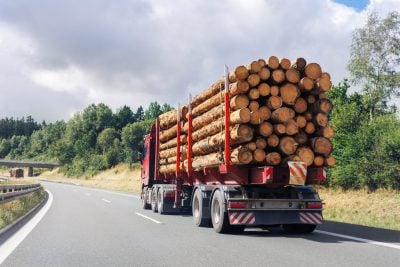
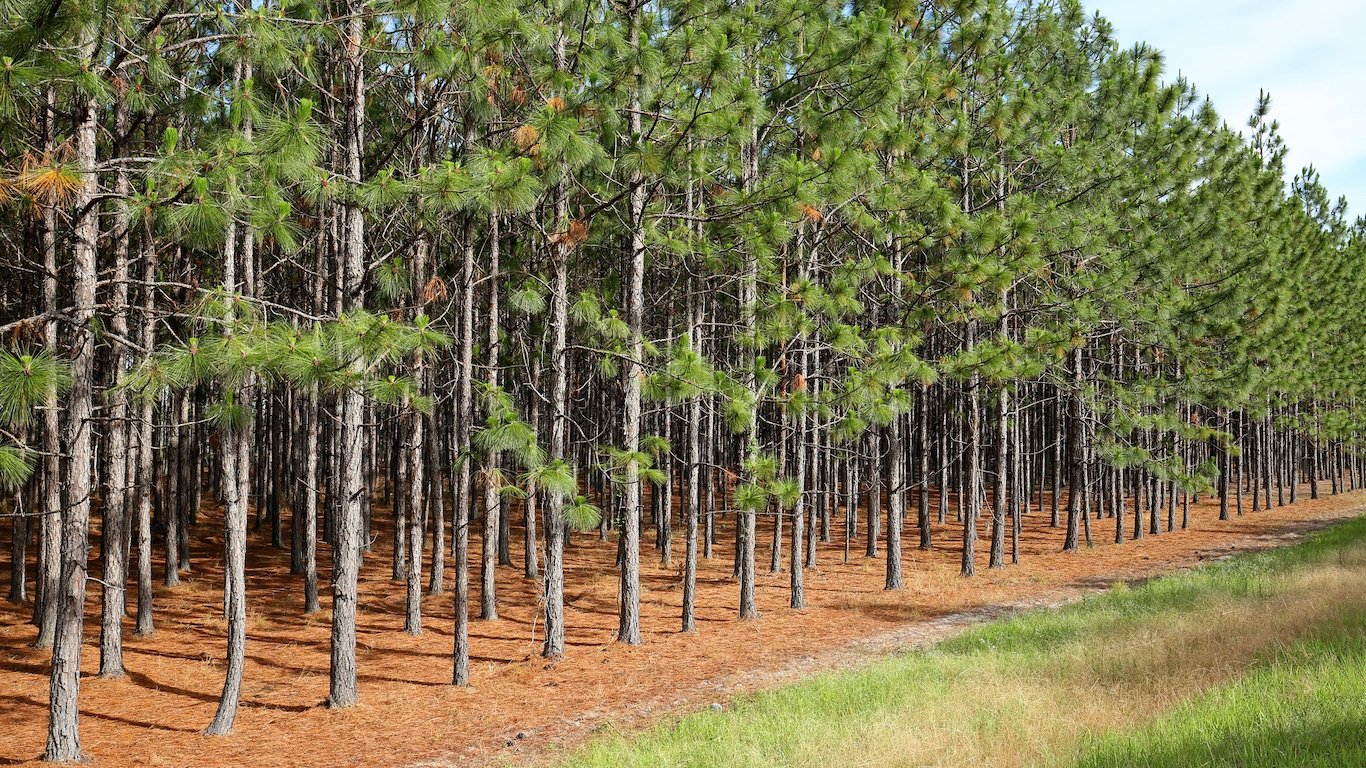
Across the pine belt from East Texas to the Carolinas, landowners who counted on pulpwood checks every few years face a collapsed market. Southern pine pulpwood prices have fallen 46% from their 2022 peak, with mill closures and weaker demand pushing prices to their lowest inflation-adjusted levels in nearly 40 years. In some areas, landowners are finding there is barely a market for the trees at all.
For a 63-year-old landowner sitting on merchantable timber, the question is uncomfortable: cut now into a weak market to raise cash, or wait for prices that may not return for years? Then comes the retirement question. If cash is tight, filing for Social Security early can look like the obvious substitute for a timber check. But standing timber offers another possibility. A qualifying sale can provide bridge money without forcing the Social Security claim onto the same timetable.
Four Years Can Change the Social Security Check
For someone born in 1960 or later, full retirement age is 67. Claiming at exactly 63 generally pays 75% of the benefit available at 67. Someone entitled to $2,000 a month then would receive roughly $1,500 if he starts four years earlier. Waiting until 67 avoids that early-claim reduction. From there, delaying can add 8% a year until 70, lifting the same $2,000 benefit to roughly $2,480.
That leaves a $980 monthly difference between starting at 63 and waiting until 70. Annual cost-of-living adjustments (COLAs) apply on top of the benefit calculation, so the claiming decision affects a base that can follow the retiree for decades. Standing timber becomes useful here.
Social Security does not treat every qualifying timber sale as self-employment income. Standing timber held for investment can receive capital-gains treatment, while certain qualifying timber dispositions under Section 631 are also excluded from net earnings from self-employment. The exact treatment depends on how the timber is owned and sold.
A landowner selling standing timber under a qualifying arrangement is in a different position from someone who cuts the trees and regularly sells logs, firewood or pulpwood as part of a farm or timber business. That distinction opens the door to the bridge. Timber proceeds can cover living expenses while the Social Security claim waits. The trees buy time, and time can buy a larger monthly benefit.
Building the Bridge
Suppose a tract produces $120,000 after sale-related expenses but before income taxes. The first step is not to divide that number by four. Taxes have to be set aside first, and timber basis matters because tax generally applies to the gain rather than automatically to every dollar received. Suppose $90,000 remains available after taxes and other obligations. A landowner who needs $30,000 a year from the timber proceeds could cover roughly three years of the gap between work and Social Security.
That does not mean waiting is automatically the right answer. Someone with health problems, other income needs or different longevity expectations may reasonably claim sooner. The point is that the timber check creates a choice that may not have existed before. The bridge money also needs a job of its own. Cash needed within the next year generally belongs somewhere liquid and low-risk. Money earmarked for later bridge years could be matched to CDs or Treasury securities that mature when the cash will be needed. The goal is not to turn the timber proceeds into another investment gamble. It is to make sure money intended to replace a paycheck is there when the paycheck is gone.
Timber Check
Staying outside the Social Security earnings test does not mean a timber sale disappears from the rest of retirement planning. A taxable timber gain can raise adjusted gross income. For someone buying Marketplace health insurance between retirement and Medicare, that income can affect eligibility for premium tax credits.
There is another clock at 65. Medicare generally uses tax information from two years earlier when calculating income-related Part B and Part D surcharges. A sufficiently large taxable gain at 63 can therefore help determine Medicare premiums at 65. That does not erase the value of using timber as a bridge. It means the sale year matters almost as much as the Social Security claiming year.
Before the Trees Come Down
Before signing a cutting contract, three details determine whether the bridge works the way the landowner expects:
- Establish how the timber sale will be taxed. Investment timber, a qualifying Section 631 disposition and timber cut and sold as part of an operating farm can produce different results.
- Calculate the spendable bridge, not the headline check. Timber basis, taxes and transaction costs come out before deciding how many years the proceeds can cover.
- Put the claiming dates beside the timber dates. Compare the Social Security benefit at 63, 67 and 70, then decide whether the after-tax sale proceeds buy enough time to make waiting worthwhile.
The 62-versus-67-versus-70 question is worth six figures over a lifetime, and we condensed the whole decision onto a single page in a free claiming framework. In a collapsed pulpwood market, the first instinct may be to ask what the trees are worth today. Near retirement, part of their value may be the years they let the Social Security check wait.
Contact [email protected] for any questions or corrections.
Gerelyn Terzo is the author of dividend investing handbook "Dividend Investing Strategies: How to Have Your Cake & Eat It Too." A veteran financial journalist, she covers agri-finance for outlets like Global AgInvesting and the broader stock market and personal finance for 24/7 Wall Street. She began at CNBC and later helped launch Fox Business in New York. Gerelyn currently resides in Woodland Park, Colorado and dabbles in nature photography as a hobby.