50 Most Valuable Brands in the World
linsinchen / Flickr 20. WeChat > 2019 brand value: $51 billion > 2018-2019 brand value change: +126.2% > Sector: Tech > Country: China The messaging, social media, and mobile payment app developed by Tencent Holdings is so popular that Facebook…

“What’s in a name?” Juliet asks in Shakespeare’s “Romeo and Juliet,” implying a name means nothing. But marketing professionals and companies would strongly disagree with Juliet’s premise, asserting that brand names and brands certainly have value.
Companies spend a great deal of time, effort and money to create, curate, and protect their brand identities, especially global multinationals with consumer-facing or commercial products and services.
To identify the top 50 most valuable global brands, 24/7 Wall St. reviewed Global 500 2019, the annual report on the world’s most valuable and strongest brands, published by British business strategy consultant Brand Finance. Brand value is determined by reviewing a range of factors, including how much it would cost to license a particular brand in a given industry and calculating how much of a parent company’s revenue comes from a particular brand. Past financial performance and future forecasts are also considered.
The top 50 include 13 tech company brands, five car brands, and five telecommunications brands. Several of these companies have built their brands’ values through groundbreaking product development. In fact, many companies on this list rank among the world’s 50 most innovative companies.
Brand recognition and value can also grow over time, and a brand on this list has one of the oldest corporate logos in the world.
Because this is a list of global brands, not all of them will be familiar to the typical Western consumer. Just over half of these brands (26) are owned by U.S. companies, while 15 are Chinese enterprises.
Click here to see the 50 most valuable brands in the world
Click here to read our methodology
50. Intel
> 2019 brand value: $29 billion
> 2018-2019 brand value change: +32.0%
> Sector: Tech
> Country: United States
The Santa Clara, California-based chipmaker is a global leader in semiconductor design and manufacturing. Recently, however, Intel’s stock slumped on revelations of slower than expected sales growth in the coming years, due in part to competition from chipmaker AMD.
49. Sinopec
> 2019 brand value: $29 billion
> 2018-2019 brand value change: +23.3%
> Sector: Oil & gas
> Country: China
Also known as China Petroleum & Chemical Corporation, Sinopec is the world’s third most valuable energy company brand. Last year, it was the biggest oil and gas company in the world based on revenue, ahead of Royal Dutch Shell and Saudi Aramco.
48. UPS
> 2019 brand value: $29 billion
> 2018-2019 brand value change: +33.2%
> Sector: Logistics
> Country: United States
Despite a dip in profitability last year, Atlanta-based United Parcel Service remains the world’s most valuable logistics brand, comfortably ahead of other top-rankers FedEx and DHL.
47. Porsche
> 2019 brand value: $29 billion
> 2018-2019 brand value change: +54.0%
> Sector: Auto
> Country: Germany
The German luxury carmaker has been wholly owned by Volkswagen Group since 2012. Porsche was recently fined nearly $600 million by German regulators for selling cars with engines that do not comply with European emissions requirements.

46. Deloitte
> 2019 brand value: $30 billion
> 2018-2019 brand value change: +42.2%
> Sector: Commercial services
> Country: United States
The U.K.-based company is a global leader in commercial auditing and consulting and one of the Big Four consulting firms, along with PwC, EY, and KPMG. Deloitte recently expanded its services, advising international clients on U.S. workplace management.
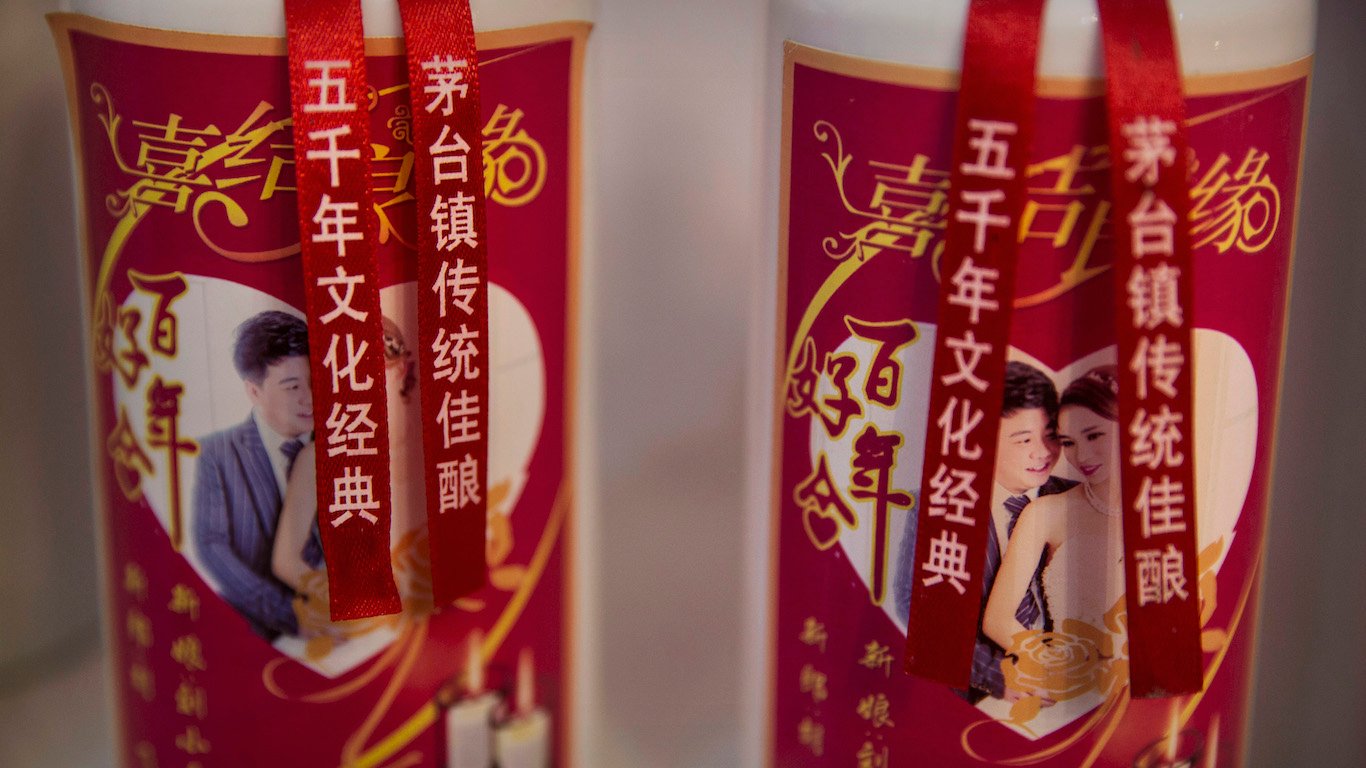
45. Moutai
> 2019 brand value: $30 billion
> 2018-2019 brand value change: +43.4%
> Sector: Spirits
> Country: China
Moutai is a brand of Chinese liquor known as baijiu, manufactured by the world’s most valuable distiller by market capitalization, Kweichow Moutai Company. This sorghum-based 106-proof liquor is closely tied to China’s history and has long been ubiquitous at Chinese political, social, and business get-togethers.

44. UnitedHealthcare
> 2019 brand value: $31 billion
> 2018-2019 brand value change: +64.3%
> Sector: Healthcare
> Country: United States
The Minnetonka, Minnesota-based company is the largest health insurance provider in the United States based on revenue and membership. UnitedHealthcare is one of the companies at the center of an ongoing national debate about how to reel in crippling U.S. health care costs.
43. McDonald’s
> 2019 brand value: $31 billion
> 2018-2019 brand value change: +26.6%
> Sector: Restaurants
> Country: United States
The Golden Arches is the less valuable of two restaurant brands on this list. McDonald’s reported stronger than expected growth in same-store U.S. sales in the first three months of the year and is in the process of joining the meatless-burger trend.
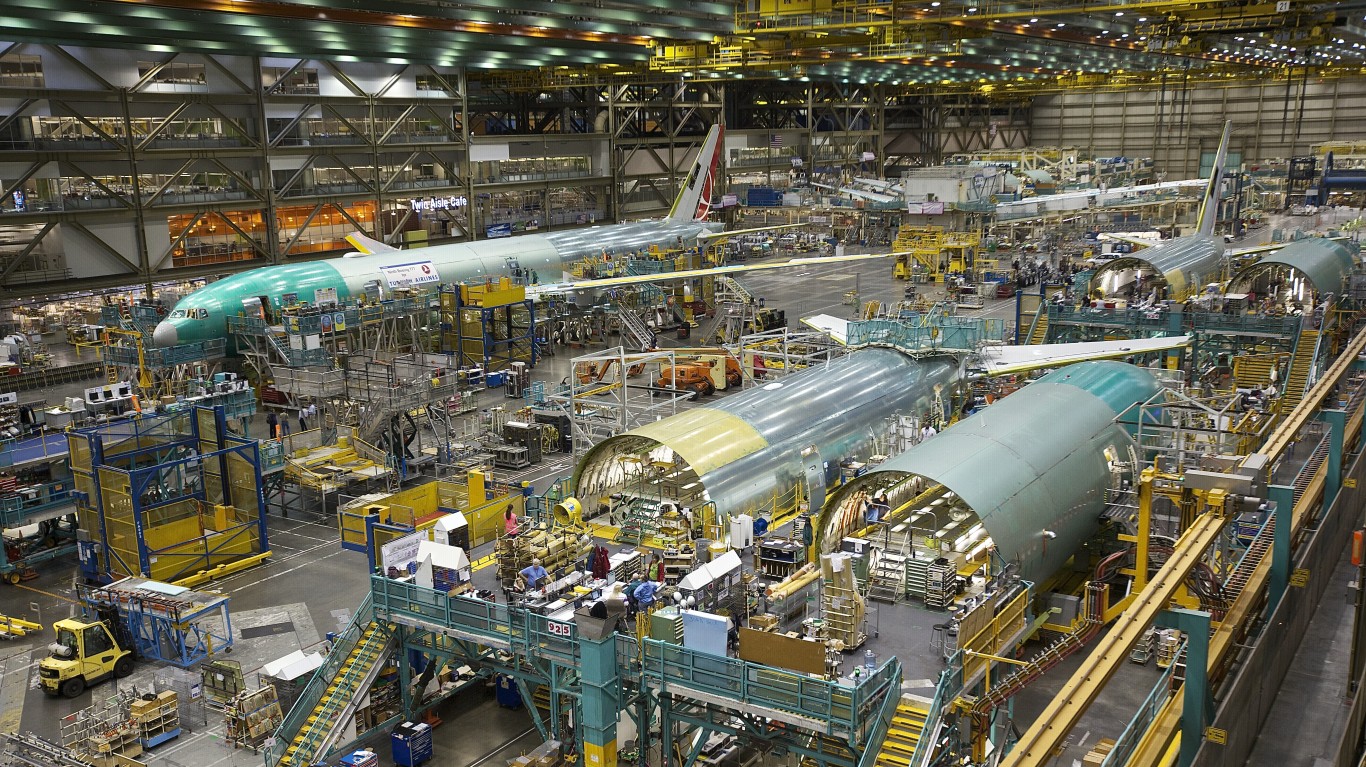
42. Boeing
> 2019 brand value: $32 billion
> 2018-2019 brand value change: +60.6%
> Sector: Aerospace & defense
> Country: United States
The only aerospace company on this list, Boeing has had a bad year so far after two variants of its popular 737 Max jets crashed. The result was a global grounding of the jets and allegations of shoddy production and inadequate pilot training. The brand’s 60.6% jump in value occurred before the company’s recent troubles.
41. Nike
> 2019 brand value: $32 billion
> 2018-2019 brand value change: +15.7%
> Sector: Apparel
> Country: United States
The world’s most valuable apparel brand, Nike, continues to outperform its competitors like Adidas and Under Armour. The ongoing trade dispute between the United States and China could pose a significant hurdle for the sneaker and athletic apparel maker is the near future.
40. IBM
> 2019 brand value: $33 billion
> 2018-2019 brand value change: +1.2%
> Sector: Commercial services
> Country: United States
The information technology company recently received approval from American regulators to acquire software company Red Hat in an effort to expand its cloud computing business. IBM is in the process of a pivot to the cloud and artificial intelligence and away from equipment sales and services.
39. Marlboro
> 2019 brand value: $34 billion
> 2018-2019 brand value change: +10.0%
> Sector: Tobacco
> Country: United States
Philip Morris International sells Marlboros globally, and Altria Group markets the brand in the United States; both cite declining demand and increased taxation as risks to their future cigarette businesses. Last year, Altria bought a stake in e-cigarette-maker Juul as Americans embrace vaping. The value of Juul has yet to crack the top 500 brands, however.
38. Coca-Cola
> 2019 brand value: $36 billion
> 2018-2019 brand value change: +19.1%
> Sector: Soft drinks
> Country: United States
The flagship brand of The Coca-Cola Company is also the most recognized beverage brand globally. Consumers are steering away from sugary drinks, which explains why the Atlanta-based maker of beverages, concentrates, and syrups has been experimenting lately with new diet Coke products.
37. Chase
> 2019 brand value: $36 billion
> 2018-2019 brand value change: -6.6%
> Sector: Banking
> Country: United States
Despite being owned by America’s largest bank by total assets, JPMorgan Chase & Co., Chase is the least valuable banking brand among the eight financial institutions on this list. Chase recently moved into the largely untested waters of crypto currency as a commercial banking service.
36. Citi
> 2019 brand value: $36 billion
> 2018-2019 brand value change: +18.3%
> Sector: Banking
> Country: United States
The consumer banking brand of America’s third largest bank by total assets, Citigroup, is also the country’s third most valuable banking brand. Also the world’s largest credit card issuer, Citigroup is experimenting with linking card rewards to Citi checking accounts as a way to attract new customers.
35. Tmall
> 2019 brand value: $36 billion
> 2018-2019 brand value change: +0.0%
> Sector: Tech
> Country: China
This massive business-to-consumer e-commerce platform serves more than 600 million buyers in China’s $1 trillion online commerce market. Parent company Alibaba Group is currently on a three-year push to double Tmall’s transaction volume.
34. Bank of America
> 2019 brand value: $37 billion
> 2018-2019 brand value change: +10.2%
> Sector: Banking
> Country: United States
America’s second largest bank by total assets is also the country’s second most valuable banking brand after Wells Fargo. The bank recently warned that interest income growth will continue to slow, crimping bank profits, as the Federal Reserve will not likely raise interest rates for the year and the global economy cools.
33. PetroChina
> 2019 brand value: $37 billion
> 2018-2019 brand value change: +18.0%
> Sector: Oil & gas
> Country: China
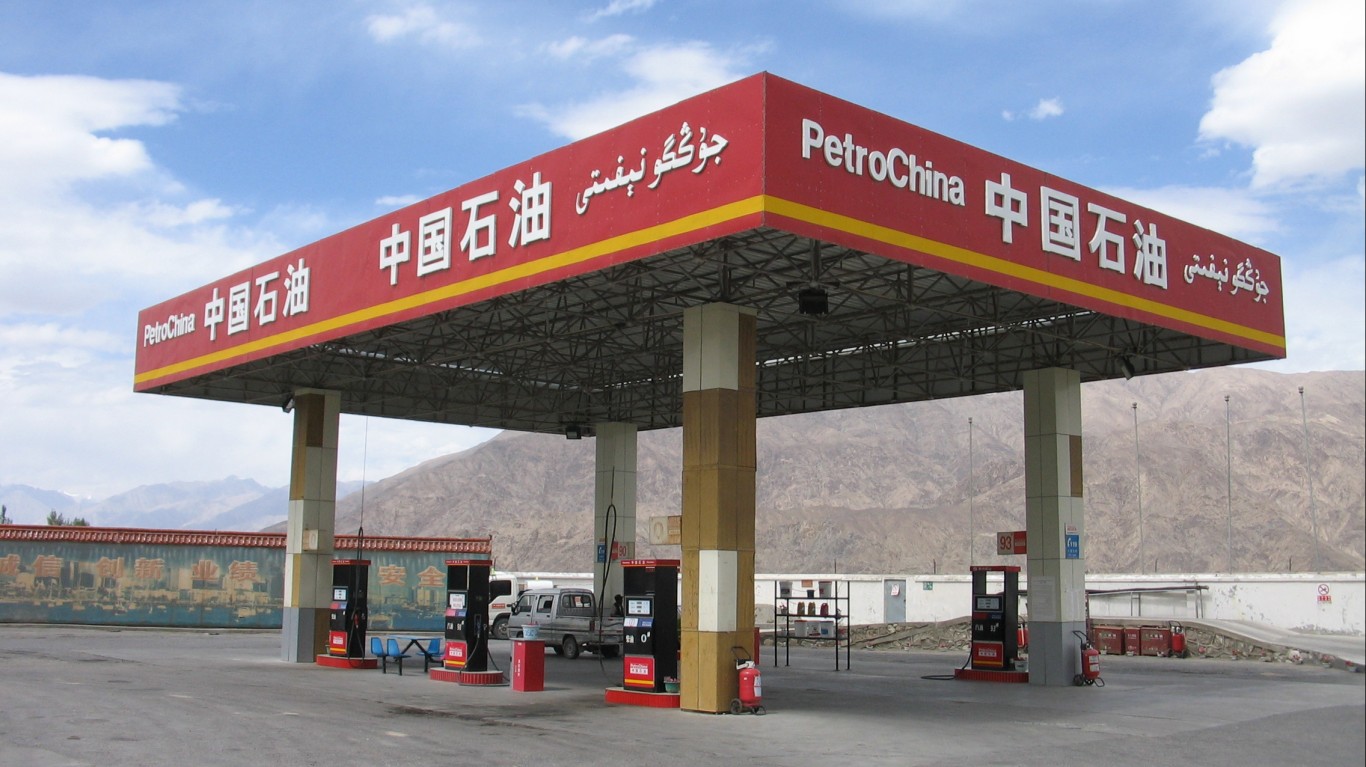
The publicly listed arm of state-owned China National Petroleum Corp (CNPC), PetroChina is China’s second largest and the world’s third largest oil producer by revenue, excluding wholly state-owned Saudi Aramco. PetroChina and ExxonMobil are currently planning a $53 billion oil megaproject in Iraq.
32. YouTube
> 2019 brand value: $38 billion
> 2018-2019 brand value change: +46.2%
> Sector: Tech
> Country: United States
The massive video streaming platform of Google parent Alphabet has emerged as a goliath in the user-generated video content space. The company and its so-called “YouTube creators” may soon have to grapple with EU rules that would hold tech platforms liable for hosting copyright violations.
31. Starbucks
> 2019 brand value: $39 billion
> 2018-2019 brand value change: +21.1%
> Sector: Restaurants
> Country: United States
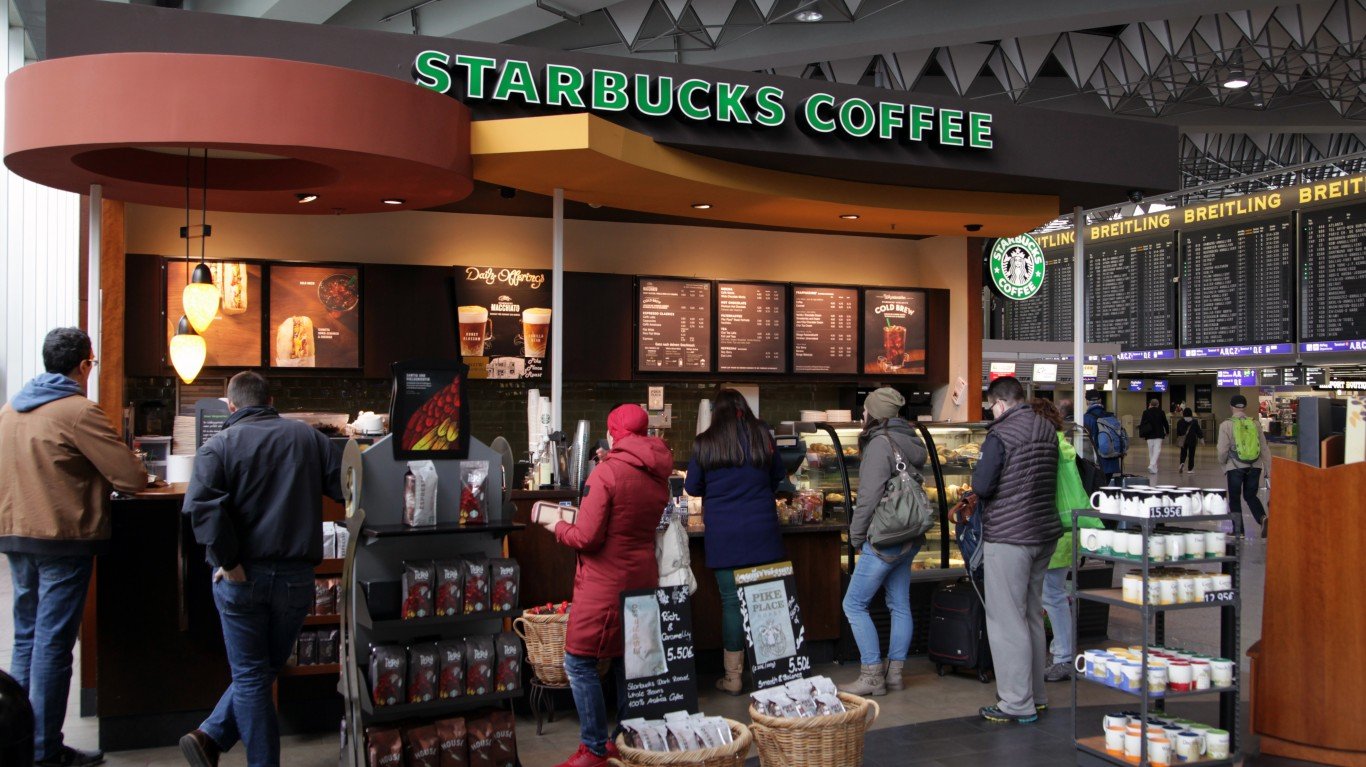
The world’s largest coffeehouse chain by revenue continues its global dominance with a recently reorganized loyalty program that has been embraced by its regular customers. The company also recently teamed up with Microsoft to deploy blockchain in its global coffee supply network.
30. Wells Fargo
> 2019 brand value: $40 billion
> 2018-2019 brand value change: -9.4%
> Sector: Banking
> Country: United States
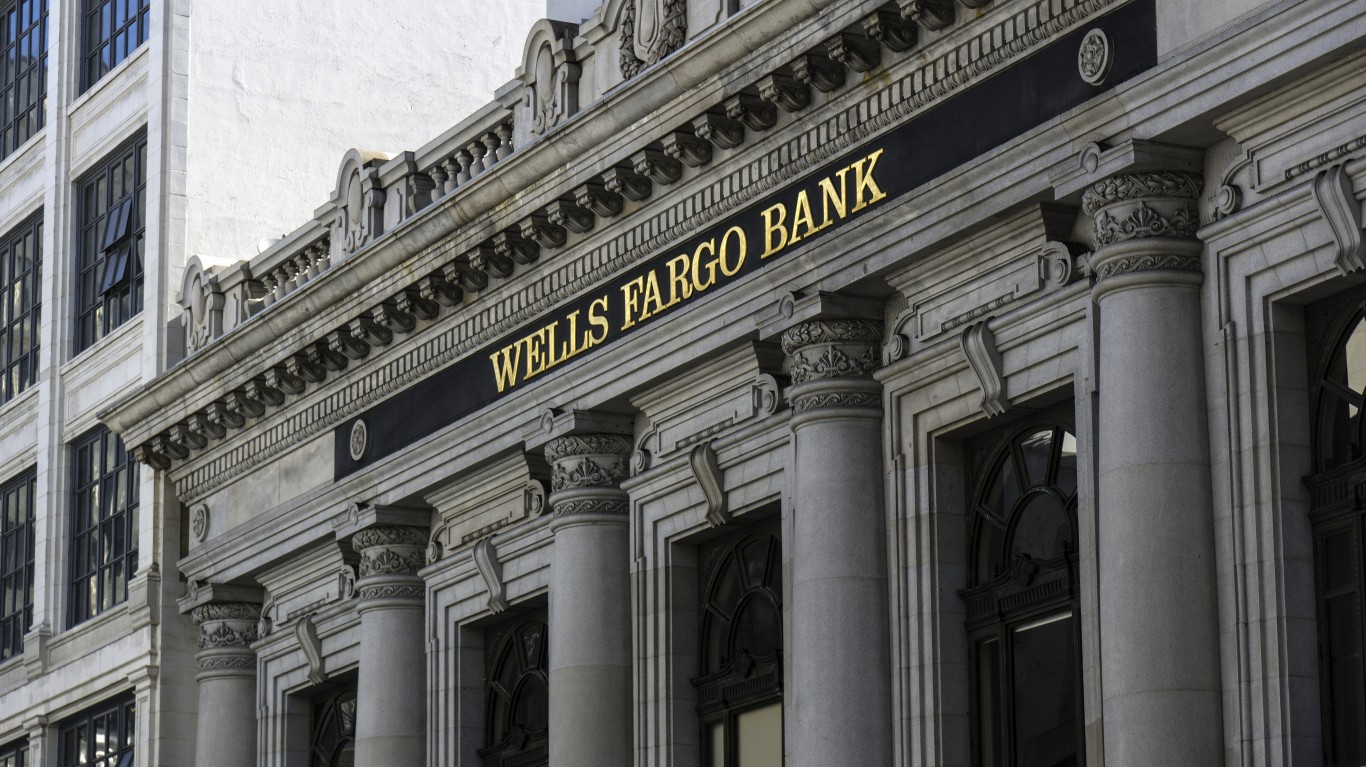
America’s fourth largest bank by assets owns the most valuable U.S. banking brand. Wells Fargo recently beefed up efforts to comply with federal regulators after a whirlwind of scandals in recent years, including egregious behavior in mortgage originations and force-placed car insurance. Wells Fargo remains the top ranking American bank on this list despite a 9.4% dip in brand value in the last year.
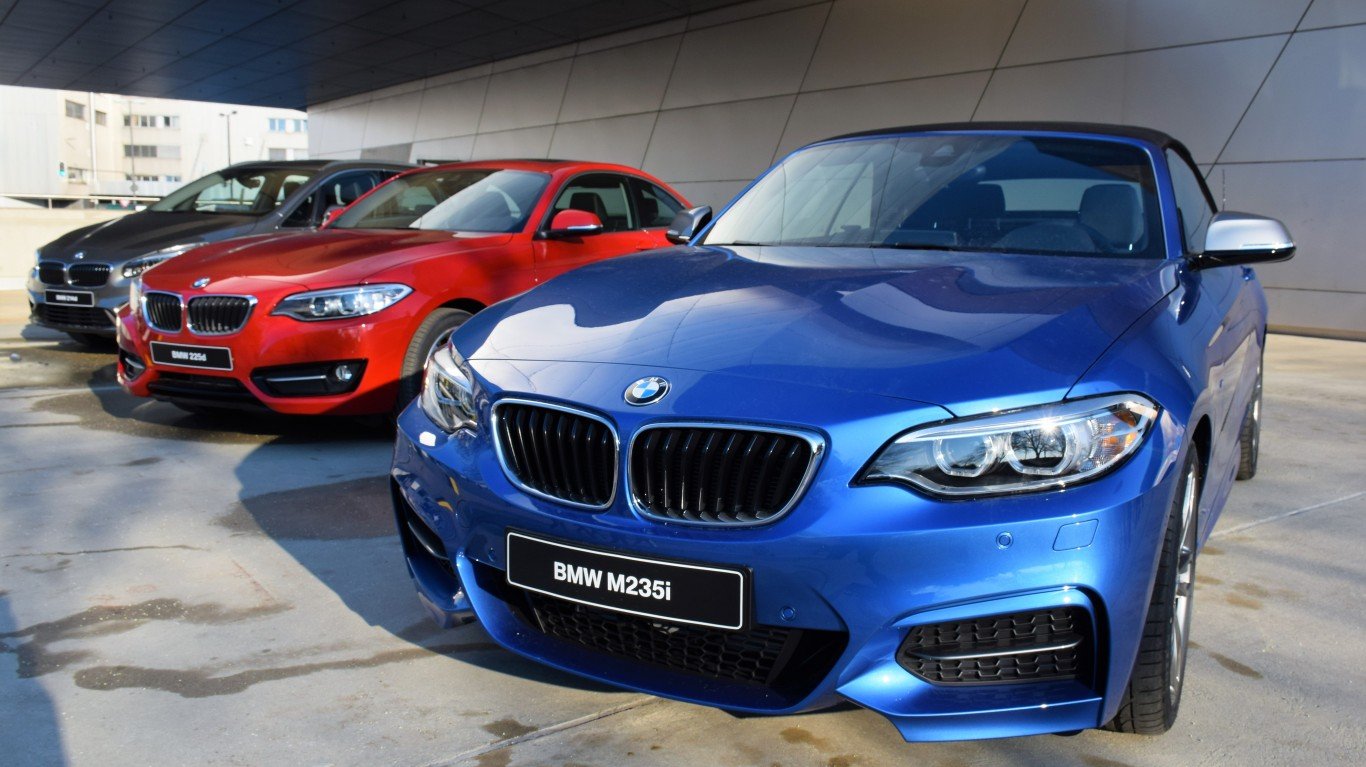
29. BMW
> 2019 brand value: $41 billion
> 2018-2019 brand value change: -3.1%
> Sector: Auto
> Country: Germany
In 2016, BMW lost its position as the world’s largest luxury car maker by sales volume to its German competitor Mercedes-Benz, but it remains one of the most valuable and recognized of all automotive brands, behind Mercedes-Benz, Toyota, and Volkswagen.
28. NTT Group
> 2019 brand value: $42 billion
> 2018-2019 brand value change: +2.0%
> Sector: Telecoms
> Country: Japan
Nippon Telegraph and Telephone Corporation (NTT) is formulating a broad restructuring program after the company fell last year from fourth to fifth place among the world’s largest publicly traded telecommunications companies by profit.
27. Volkswagen
> 2019 brand value: $42 billion
> 2018-2019 brand value change: +4.5%
> Sector: Auto
> Country: Germany
The marquee brand of German auto giant Volkswagen Group, the world’s second largest automotive company by revenue, is part of the VW’s ambitious Vision 2030 plan to release a raft of new electric vehicles, revamped Volkswagen brand models, and several all-new products
26. Shell
> 2019 brand value: $42 billion
> 2018-2019 brand value change: +7.3%
> Sector: Oil & gas
> Country: Netherlands
Royal Dutch Shell is the world’s largest publicly traded oil and gas company by revenue that is not Chinese. Shell recently announced several strategic divestments and renewable energy acquisitions and announced significant investment in Brazil to access the country’s oil and gas auctions.
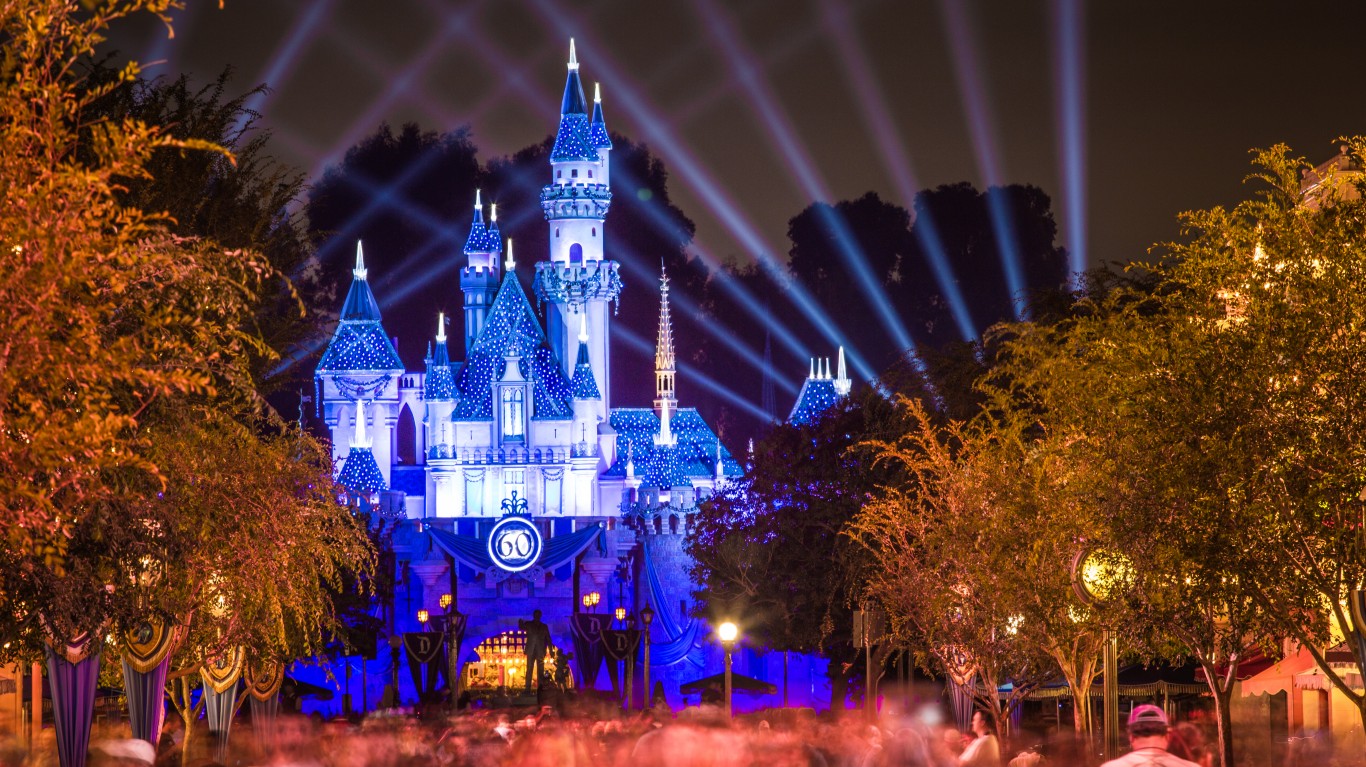
25. Disney
> 2019 brand value: $46 billion
> 2018-2019 brand value change: +40.4%
> Sector: Media
> Country: United States
Disney has been on a streak following the company’s acquisitions of Marvel Entertainment (2009) and Lucasfilm (2012). This year, Disney snatched up Twenty-First Century Fox assets, is expanding into streaming video, and has a slew of Star Wars and Avatar films in the works.
24. T (Deutsche Telekom)
> 2019 brand value: $46 billion
> 2018-2019 brand value change: +15.2%
> Sector: Telecoms
> Country: Germany
One of the world’s largest telecommunications companies is on a campaign to gain adequate access to 5G high-speed Wi-Fi spectrum currently being auctioned in Germany. In the United States, Deutsche Telekom’s T-Mobile unit is wrangling with U.S. regulators over its bid to acquire rival Sprint.
23. Taobao
> 2019 brand value: $47 billion
> 2018-2019 brand value change: +0.0%
> Sector: Tech
> Country: China
Alibaba Group’s consumer-to-consumer online marketplace is the world’s largest by gross merchandise value (yes, it is bigger than Amazon.com’s online marketplace). But it has drawn ire from the U.S. Trade Representative in recent years for facilitating the sale of counterfeit goods.
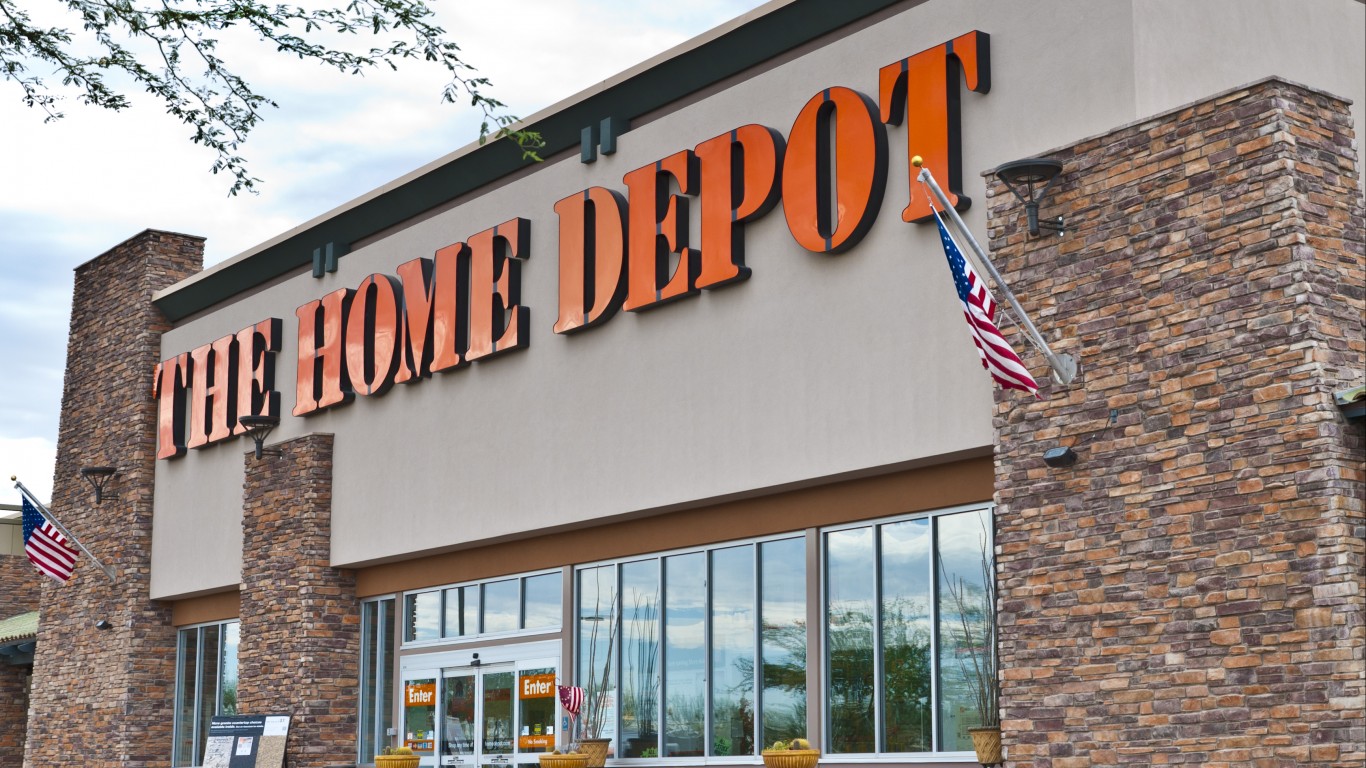
22. Home Depot
> 2019 brand value: $47 billion
> 2018-2019 brand value change: +39.4%
> Sector: Retail
> Country: United States
The world’s largest home-improvement retailer by market capitalization has been on a winning streak in recent years, riding the post-Great Recession recovery of the U.S. housing market. The Atlanta-based company is currently aggressively working to unify its online and brick-and-mortar operations.
21. Tencent (QQ)
> 2019 brand value: $50 billion
> 2018-2019 brand value change: +21.9%
> Sector: Tech
> Country: China
Chinese internet behemoth Tencent Holdings has been forming ties with traditional industries to diversify away from its main business in computer gaming. The company recently announced it would build industrial internet infrastructure for State Grid of China electric utility.
20. WeChat
> 2019 brand value: $51 billion
> 2018-2019 brand value change: +126.2%
> Sector: Tech
> Country: China
The messaging, social media, and mobile payment app developed by Tencent Holdings is so popular that Facebook founder Mark Zuckerberg recently announced efforts to bring together Facebook’s services in a similar fashion.
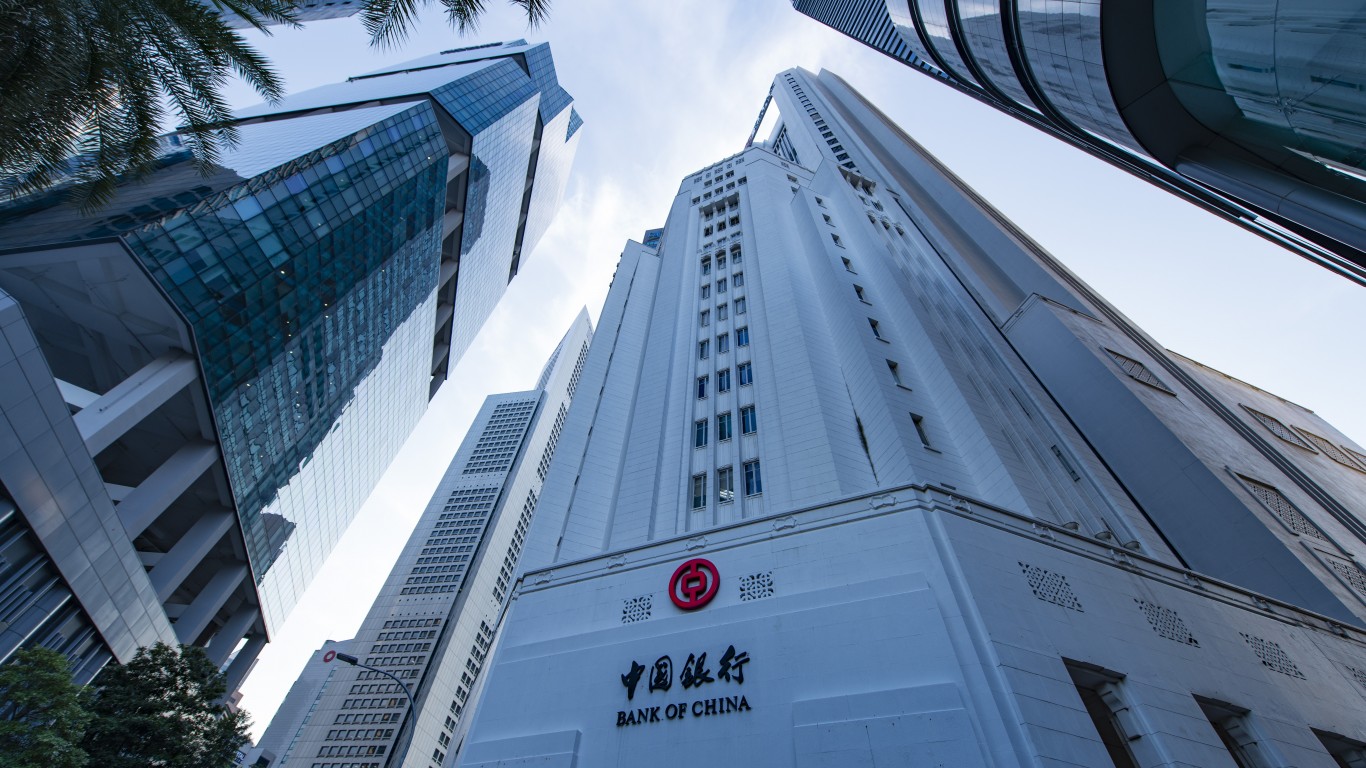
19. Bank of China
> 2019 brand value: $51 billion
> 2018-2019 brand value change: +22.1%
> Sector: Banking
> Country: China
Beijing-based Bank of China is one of the four huge Chinese banks on this list, all of which are also the world’s biggest banks by assets. Bank of China, a state-owned enterprise, is closely aligned to the Chinese government and economy, and it is at the forefront of the country’s expansive Belt and Road Initiative, an international infrastructure development project.
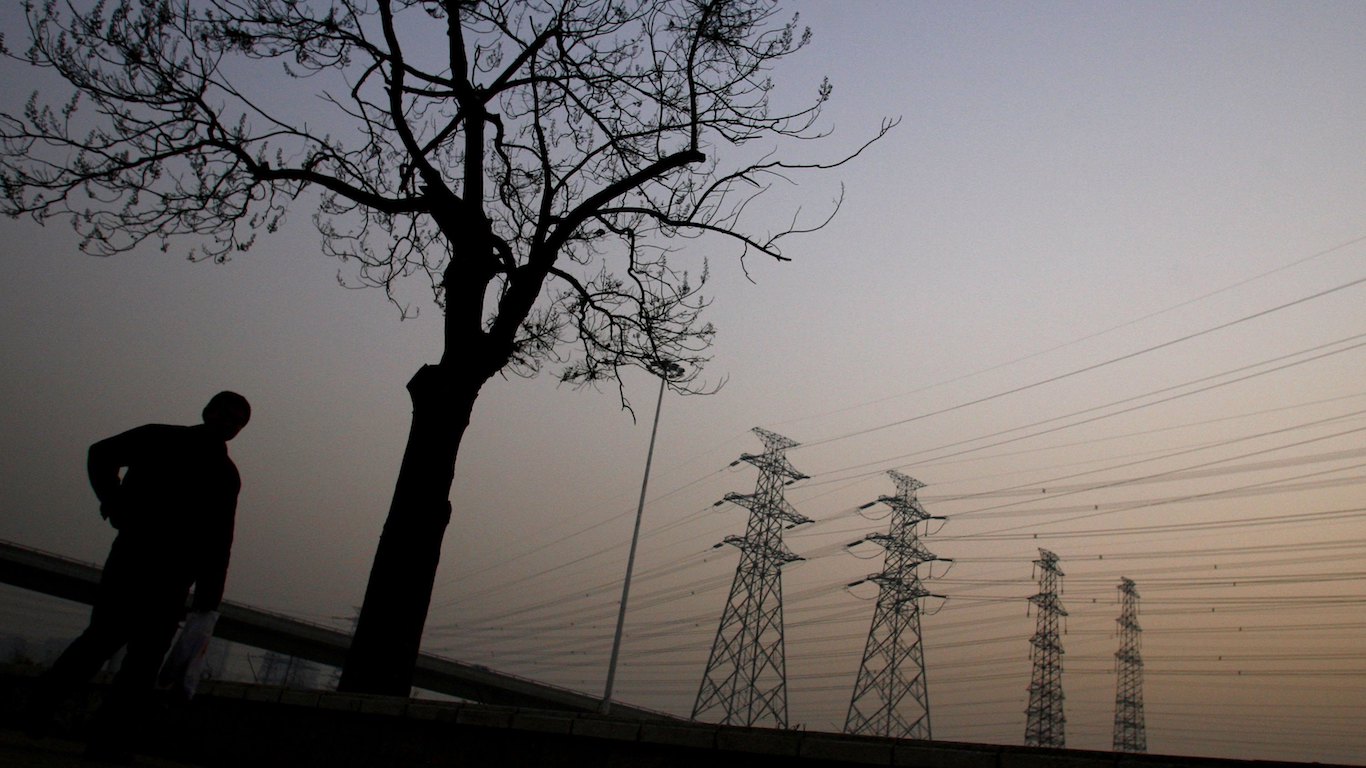
18. State Grid
> 2019 brand value: $51 billion
> 2018-2019 brand value change: +25.3%
> Sector: Utilities
> Country: China
Beijing-based State Grid Corporation of China is a wholly state-owned enterprise and the world’s largest power utility by revenue. It has a strong presence in markets outside of China, including Brazil, Italy, and Australia. It recently announced a major investment in Ethiopia’s power grid.
17. Toyota
> 2019 brand value: $52 billion
> 2018-2019 brand value change: +19.7%
> Sector: Auto
> Country: Japan
Toyota maintained its top position among passenger car manufacturers by revenue last year. The Japanese auto giant is moving aggressively into alternative fuel vehicles and recently announced plans with Panasonic to develop smart home technologies to find other sources of revenue.
16. Agriculture Bank of China
> 2019 brand value: $55 billion
> 2018-2019 brand value change: +47.5%
> Sector: Banking
> Country: China
The state-owned Agricultural Bank of China is the world’s third largest bank by assets. ABC’s non-performing loan ratio has decreased more than the other top Chinese banks, even as the government pressures banks to extend more credit to entrepreneurs to drive economic growth.
15. China Mobile
> 2019 brand value: $56 billion
> 2018-2019 brand value change: +4.6%
> Sector: Telecoms
> Country: China
The world’s largest telecommunications company by market capitalization recently started to build its high-speed 5G network in China. The company’s efforts to expand into the U.S. market have been stymied by the Federal Communications Commission on security concerns.
14. Ping An
> 2019 brand value: $58 billion
> 2018-2019 brand value change: +76.7%
> Sector: Insurance
> Country: China
The world’s fourth largest insurer based on written premiums has reported rising profits, helped by its asset-management division and growth in life and health insurance. Ping An’s real estate investment unit is ramping up activity in China’s rental home market.
13. Mercedes-Benz
> 2019 brand value: $60 billion
> 2018-2019 brand value change: +25.9%
> Sector: Auto
> Country: Germany
The luxury car brand owned by German auto giant Daimler maintains its leading position in premium cars despite the brand’s slowdown in U.S. and Europe new car sales. Under new leadership, Mercedes-Benz will announce a new strategic plan this summer.
12. Huawei
> 2019 brand value: $62 billion
> 2018-2019 brand value change: +63.7%
> Sector: Tech
> Country: China
Huawei Technologies, the Chinese maker of smartphones and other telecom equipment is in the crosshairs of the United States, which is attempting (and failing) to convince allies to exclude Huawei hardware from merging with super-fast mobile networks. Meanwhile, Huawei surpassed Apple in smartphone sales last year.
11. Walmart
> 2019 brand value: $68 billion
> 2018-2019 brand value change: +10.4%
> Sector: Retail
> Country: United States
The world’s top retailer by several measures has been aggressively expanding its online sales services to push back against Amazon.com and Alibaba’s e-commerce dominance. The Arkansas-based company recently launched an online pet pharmacy and plans for in-store veterinary clinics in the U.S. market.
10. China Construction Bank
> 2019 brand value: $70 billion
> 2018-2019 brand value change: +22.8%
> Sector: Banking
> Country: China
The world’s second largest bank by assets also has the second most valuable banking brand. Like other big Chinese banks, state-owned CCB has faced profitability headwinds as China’s economic growth slows and the government’s push for its banks to extend more small-business loans.
9. Verizon
> 2019 brand value: $71 billion
> 2018-2019 brand value change: +13.3%
> Sector: Telecoms
> Country: United States
Verizon Communications, the world’s second largest telecommunications company after China Mobile by market capitalization, recently reported a decline in wireless customers. But the New York City-based company is rapidly deploying its high-speed 5G wireless networks in the U.S. market.
8. Industrial & Commercial Bank of China
> 2019 brand value: $80 billion
> 2018-2019 brand value change: +34.9%
> Sector: Banking
> Country: China
State-owned ICBC is the world’s largest bank by assets and owner of the most valuable banking brand. Like China’s other top lenders, ICBC is under pressure both to extend loans to smaller businesses and to speed up the process of recognizing and disclosing non-performing loans.
7. Facebook
> 2019 brand value: $83 billion
> 2018-2019 brand value change: +8.7%
> Sector: Tech
> Country: United States
Facing a global backlash for how the platform helps spread fake news and collects data on its users, Facebook is working to reinvent itself as a more privacy-oriented service. But the company’s efforts to consolidate its services are raising antitrust concerns.
6. AT&T
> 2019 brand value: $87 billion
> 2018-2019 brand value change: +5.6%
> Sector: Telecoms
> Country: United States
The world’s third largest telecom company by market capitalization recently reported losing TV customers and subscribers to its DirectTV Now streaming service. The company, which acquired Time Warner (Warner Bros., HBO) last year, says it is focusing on building its high-bandwidth 5G networks and paying down debt.
5. Samsung
> 2019 brand value: $91 billion
> 2018-2019 brand value change: -1.1%
> Sector: Tech
> Country: South Korea
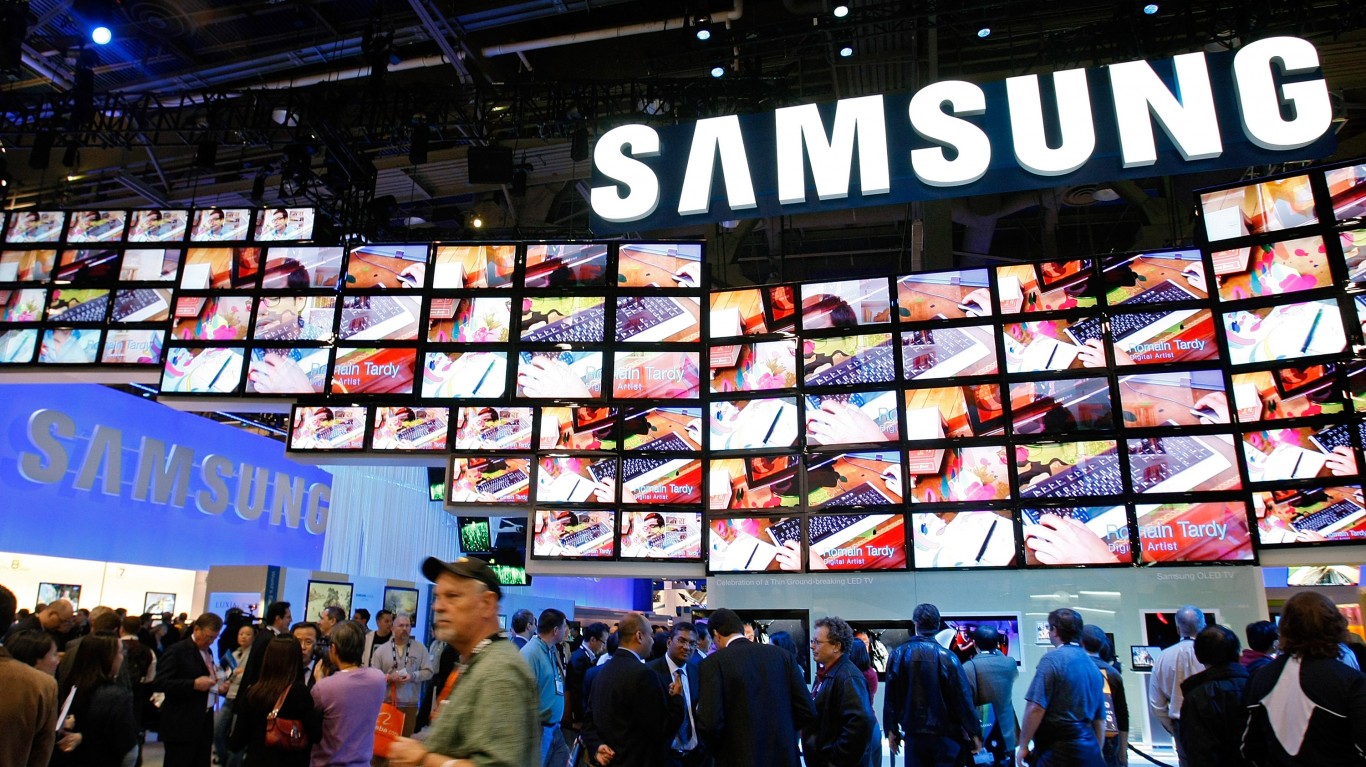
The consumer technology giant and world’s top selling smartphone maker has been moving in recent years into automotive semiconductors and sensors. In April, Samsung announced it would indefinitely delay the release of a foldable-screen smartphone due to quality deficiencies.
4. Microsoft
> 2019 brand value: $120 billion
> 2018-2019 brand value change: +47.4%
> Sector: Tech
> Country: United States
Last year, Microsoft regained its place as the world’s most valuable publicly traded company by market capitalization, shooting past Amazon, Apple, and Alphabet (Google). The Seattle-based software giant has been expanding aggressively into cloud services, artificial intelligence, and the internet of Things.
3. Google
> 2019 brand value: $143 billion
> 2018-2019 brand value change: +18.1%
> Sector: Tech
> Country: United States
The flagship brand of Alphabet Inc. maintains its leading position in internet search as well as strong positions in apps, laptops, and mobile phones. Google released a lower-priced smartphone (the Pixel 3a) this year and overhauled its voice assistant platform.
2. Apple
> 2019 brand value: $154 billion
> 2018-2019 brand value change: +5.0%
> Sector: Tech
> Country: United States
The world’s third largest smartphone seller is facing headwinds from the increasingly heated U.S.-China trade dispute that threatens to raise costs and lower revenue. The U.S. Supreme Court ruled this month customers could sue Apple over its App Store monopoly.
1. Amazon
> 2019 brand value: $188 billion
> 2018-2019 brand value change: +24.6%
> Sector: Tech
> Country: United States
The online retail and cloud-computing giant is pumping $800 million into making next-day delivery a standard in another blow to brick-and-mortar retailers seeking to expand their e-commerce services. It is also mulling robots to box orders to replace employees at its warehouses.
Methodology
Brand Finance methodology uses the so-called Royalty Relief approach, a brand-valuation method that conforms to the International Organization for Standardization, or ISO. The seven-step process first calculates brand strength using marketing budgets, stakeholder equity, and business performance, and rates them on a Brand Strength Index (BSI) scale of 0 to 100. This is followed by determining a royalty range for each industry based on examining comparable brand licensing agreements. The royalty rate is then calculated by applying the BSI score to the royalty range. The share of the company’s revenue coming from the specific brand is also calculated. (For example, how much of Alphabet’s revenue comes from each of its two major brands, Google and YouTube.) The projected revenue growth for the parent company is applied to the royalty rate of the company’s brand or brands. The last calculation discounts the brand revenue (post-tax) to generate a brand’s value.
Contact [email protected] for any questions or corrections.