




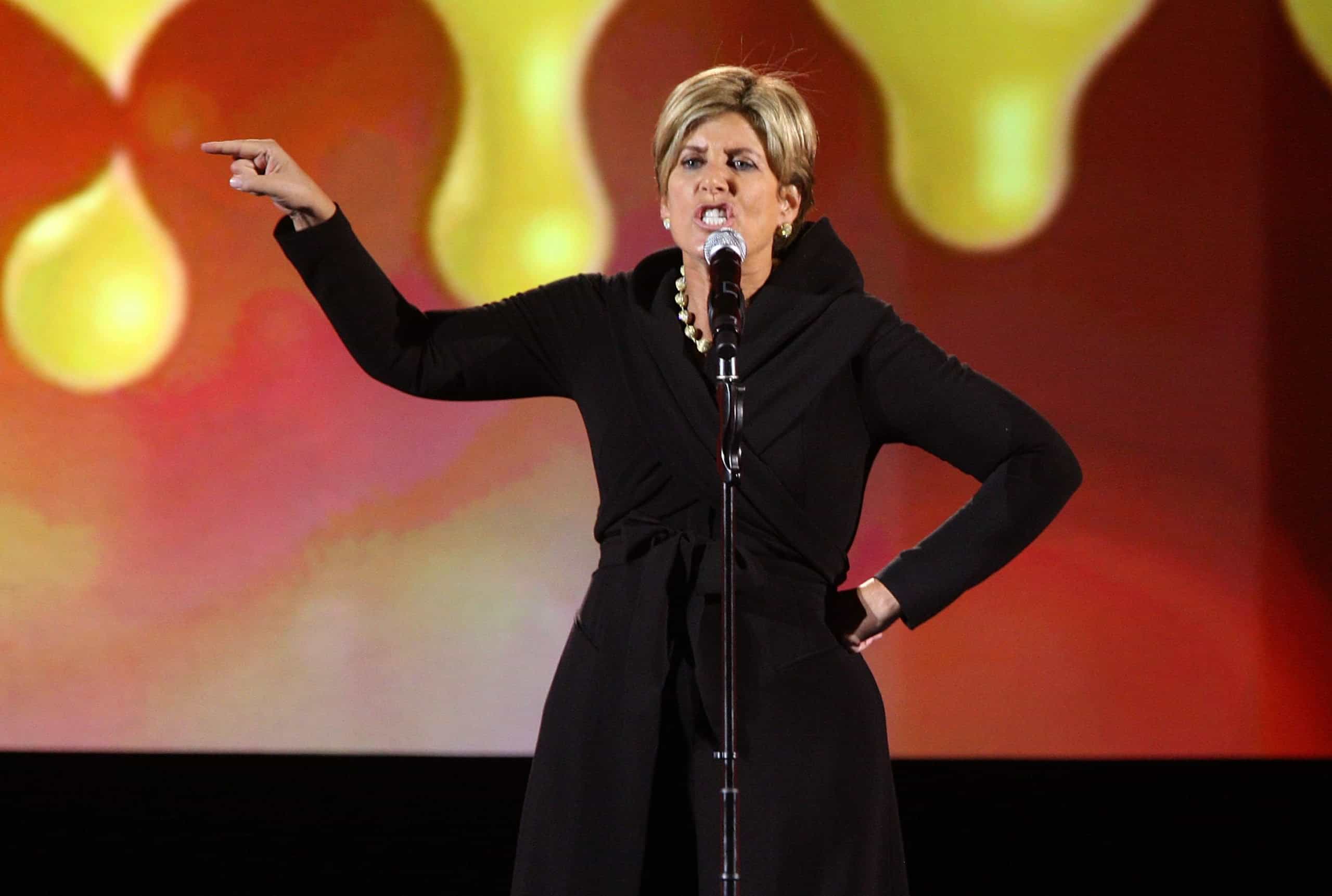
On her latest economy recap podcast, Suze Orman walked listeners through a live example most retail investors would rather forget: SpaceX priced its IPO at $135 a share on June 11, opened at $150, touched $193 on day one, and closed the following Friday at $108, a 44% decline in seven weeks. Her takeaway centered on entry price, and the reflex to chase a name because everyone else is buying it.
The stakes are simple. If you bought at the $193 intraday peak with $10,000, you now have roughly $5,600. The company kept operating. The rockets kept flying. You paid too much on day one, and the market corrected the price without asking your permission.
The Verdict: Suze Is Right, and the Math Is Brutal
Orman’s warning is sound. Buying an IPO on day one means bidding against every hedge fund, index-fund forced buyer, and retail account staring at the same headline you are. The mechanic she is pointing at is called price-to-value dislocation: a stock’s opening trade reflects sentiment rather than cash flow.
Run the numbers. A buyer at the $150 open is down roughly 28% at $108. A buyer at the $193 peak is down about 44%. To simply break even from $193, the stock has to climb about 79% from here. That is the arithmetic of drawdowns, and it is the number that punishes momentum buyers most.
Now compare that with what a boring, disciplined position in a cash-generating public company looked like over the same window. Microsoft (NASDAQ:MSFT | MSFT Price Prediction) reported fiscal Q4 revenue of $90.01 billion, EPS of $4.74 against a $4.24 estimate, and Azure growth of 43%. The shares trade near $487. Amazon (NASDAQ:AMZN) posted Q2 revenue of $200.61 billion with AWS growing 37%, its fastest in 18 quarters. These companies file 10-Qs, disclose margins, and give you a base rate to underwrite. An IPO on day two gives you a chart.
Even Mega-Caps Can Bruise You Short Term
Apple (NASDAQ:AAPL) beat on the top and bottom line last week, with EPS of $2.02 versus a $1.89 estimate and revenue of $109.4 billion, and still fell about 7% over the following week. That is Orman’s second point, said plainly: even quality names swing. The difference is you own something whose earnings you can read. A 7% dip in a $109 billion revenue business is a very different animal from a 44% dip in an unseasoned IPO whose free cash flow was, per Jim Cramer’s own reporting, negative $9.1 billion in the first quarter alone.
The Variable That Changes Everything: Entry Price
Entry price is the variable. Look at Uber (NYSE:UBER). It went public in May 2019 at $45 a share and now trades around $71, a roughly 59% total return over seven years. Buyers at the 2021 highs near $63 waited years to break even. Buyers who waited for the business to show profitability, $9.76 billion in free cash flow for full-year 2025, paid a very different price for the same company.
The math cuts both ways. A $10,000 stake in Uber at the 2019 IPO is roughly $15,900 today. The same $10,000 bought at the 2024 peak near $101 is worth about $7,000. Same company. Same cash flow. Different entry price, different life.
What to Actually Do Before the Next Hot IPO Prints
- Write down the IPO price and the first-day close. If you are buying above the offer price, you are paying a premium for excitement rather than earning a discount for uncertainty.
- Wait two full earnings cycles. You get real revenue, real guidance, and a lockup expiration that flushes out insider sellers before you commit.
- Anchor to yield. With the 30-year Treasury near 5.3% and high-yield savings paying 4% to 5%, your hurdle rate for any speculative buy is higher than it has been in a decade.
- Size the position to the loss you can absorb. If a 44% drawdown in seven weeks would derail your plan, the position is too big.
Orman’s point is not that IPOs never work. It is that the price you pay decides whether they work for you.
Contact [email protected] for any questions or corrections.













 Top Gaining Stocks
 Top Losing Stocks