Warren Buffett vs. Michael Saylor: Who Made the Better Investment This Quarter
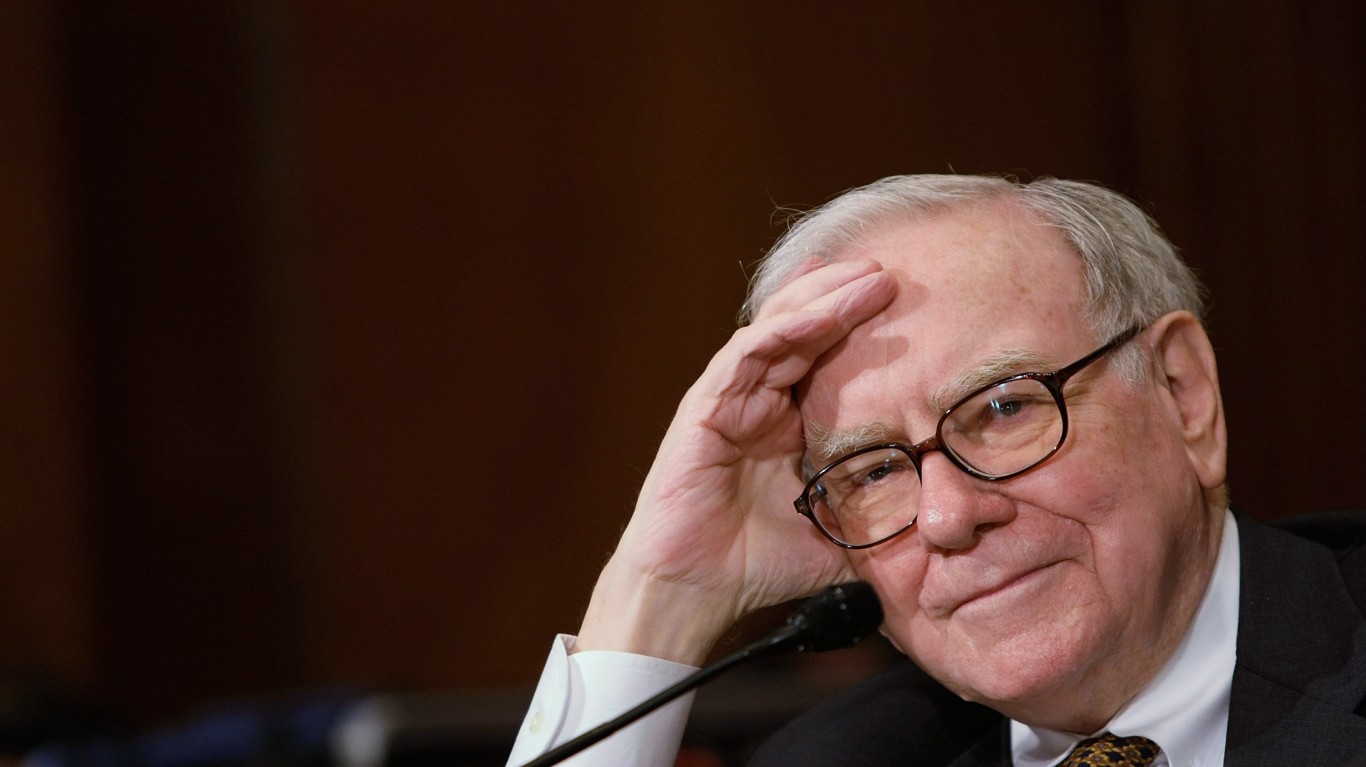
Warren Buffett and Michael Saylor represent two starkly different investment philosophies in the market. Buffett, Berkshire Hathaway‘s (NYSE:BRK-A | BRK-A Price Prediction)(NYSE:BRK-B) legendary Oracle of Omaha, favors safe, liquid assets like U.S. Treasury bills to preserve capital for future opportunities…


Warren Buffett and Michael Saylor represent two starkly different investment philosophies in the market. Buffett, Berkshire Hathaway‘s (NYSE:BRK-A | BRK-A Price Prediction)(NYSE:BRK-B) legendary Oracle of Omaha, favors safe, liquid assets like U.S. Treasury bills to preserve capital for future opportunities in undervalued stocks. In contrast, Saylor, executive chairman of Strategy (NASDAQ:MSTR), bets aggressively on Bitcoin (CRYPTO:BTC) as a hedge against inflation and a superior store of value.
This divergence highlights a broader debate between traditional finance’s caution and crypto’s high-risk growth potential. With economic uncertainty persisting, both investors made massive bets in the third quarter on their preferred asset. Who made the better investment decision?
T-Bill Build-Up vs. a Big Bitcoin Bet
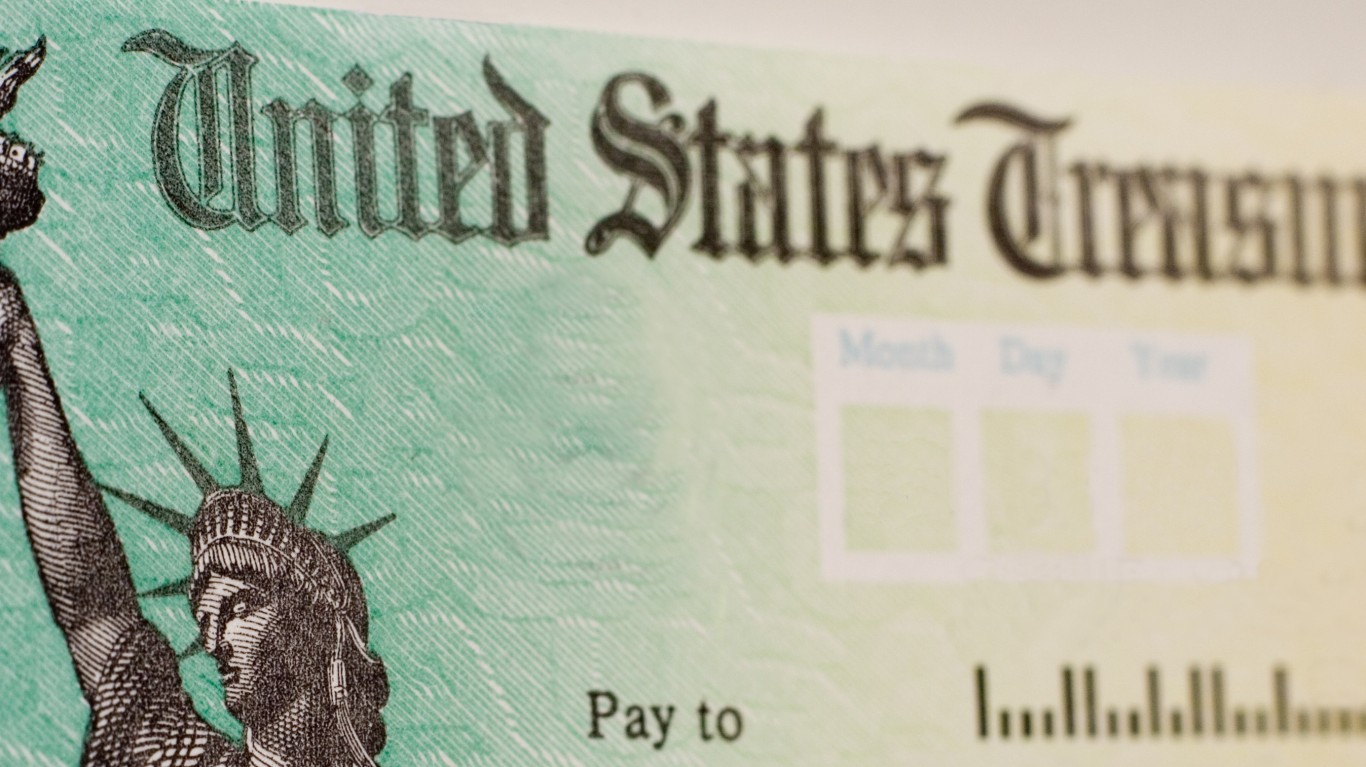
In Q3, Berkshire Hathaway amassed a record cash hoard of $381.7 billion, primarily in short-term U.S. Treasury bills. The company net purchased $183 billion in T-bills during the quarter, boosting its total holdings to $306 billion in these instruments alone. This move reflects Buffett’s strategy of parking capital safely amid high valuations in equities, waiting for attractive acquisitions or buybacks.
Meanwhile, Strategy continued its Bitcoin accumulation, acquiring 42,706 BTC at an estimated average price of $116,000 per coin, for a total value of about $4.5 billion. This brought the firm’s holdings to over 640,000 bitcoin at the end of the period, aligning with Saylor’s view of Bitcoin as “digital gold” to protect against currency debasement.
A Performance Breakdown
T-bills provided Buffett with stability but modest returns. With average yields around 4.2% annually, they delivered roughly 1% in Q3, underperforming the S&P 500‘s 8% gain. Adjusted for inflation at about 3%, T-bills offered a slim positive real return of 1.2%. Berkshire Hathaway stock rose 3.5% during the quarter.
Bitcoin, however, was on the move higher, rising 16% in the quarter amid market and economic uncertainty. This was twice the S&P 500’s performance and handily outpaced T-bills. Strategy’s stock, although closely aligned with Bitcoin, does not walk lockstep with it, which was reflected in its greater than 20% decline for Q3. Strategy’s enterprise value also declined during this period, falling almost 15% to $106.5 billion compared to $124.6 billion at the start.
Long-Term Prospects
It is important to note that Buffett’s cash position isn’t meant for permanent holding; it’s a war chest for deploying into stocks during downturns. Berkshire’s long-term track record supports this — since 1965, it has generated a 19.9% compound annual growth rate (CAGR), outpacing the S&P 500’s 10.4% CAGR over the same period.
Recent years show a slower 13.9% CAGR over the past decade, but Buffett’s discipline has historically turned cash into compounding machines like Apple (NASDAQ:AAPL) or insurance operations.
Bitcoin’s outlook is more speculative. Its historical CAGR exceeds 86% over the past 10 years, driven by adoption and scarcity. Projections suggest a 20% to 30% CAGR through 2030 as institutional demand grows, potentially outstripping T-bills’ erosion from inflation.
However, volatility remains a risk — Bitcoin’s drawdowns can exceed 70% and its price is 25% below the all-time high hit in early October. Critics argue T-bills could lose real value if M2 money supply growth hits 6% and inflation follows, but current 4.5% M2 growth and 3% inflation keep them viable short-term. Buffett’s eventual deployment could amplify returns, unlike Saylor’s all-in Bitcoin stance.
Key Takeaway
Although crypto advocates will likely disagree, Buffett made the better investment choice, especially for risk-averse investors. His cash hoard preserves optionality in an overvalued market, backed by Berkshire’s proven long-term outperformance.
Saylor’s Bitcoin play offers explosive upside opportunity but exposes holders to crypto’s swings. In a low-inflation environment, T-bills hold steady, while Bitcoin’s edge depends on a sustained growth narrative.
Contact [email protected] for any questions or corrections.
After two decades of patrolling the dark corners of suburbia as a police officer, Rich Duprey hung up his badge and gun to begin writing full time about stocks and investing. For the past 20 years, he’s been cruising the markets looking for companies to lock up as long-term holdings in a portfolio while writing extensively on the broad sectors of consumer goods, technology, and industrials. Because his experience isn’t from the typical financial analyst track, Rich is able to break down complex topics into understandable and useful action points for the average investor. His writings have appeared on The Motley Fool, InvestorPlace, Yahoo! Finance, Money Morning, and, of course, 24/7 Wall St. He has been featured in both U.S. and international publications, including MarketWatch, Financial Times, Forbes, Fast Company, and USA Today.