3 Things We Learned from CoreWeave’s Blowout Q3 Earnings
CoreWeave (NASDAQ: CRWV) recently reported Q3 earnings that showed negative EPS of 22 cents and revenue of $1.36 billion, which beat analysts’ expectations of $1.29 billion. That revenue figure represents a 134% year-over-year gain from $583.9 million a year ago. …

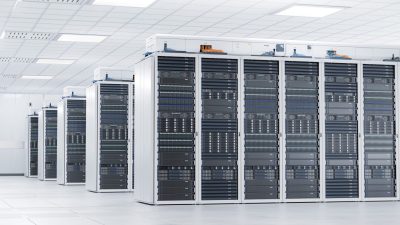
CoreWeave (NASDAQ: CRWV) recently reported Q3 earnings that showed negative EPS of 22 cents and revenue of $1.36 billion, which beat analysts’ expectations of $1.29 billion. That revenue figure represents a 134% year-over-year gain from $583.9 million a year ago.
Here are three major takeaways from the company’s Q3 earnings report.
1. Explosive Growth, but Margin Pressure Intensifies
CoreWeave had a third quarter that underscored its standing as one of the fastest-growing companies in AI infrastructure. Revenue surged 134% year-over-year to $1.36 billion, beating estimates by nearly 10%. Backlog nearly doubled to $55 billion — a milestone CEO Michael Intrator called “faster than any cloud in history.” Yet, below the top line, profitability remains the weak spot. Operating income dropped 56% to $51.9 million, while adjusted operating margin slipped to 16%. CFO Nitin Agrawal attributed the squeeze to surging infrastructure costs and delays from a third-party data-center partner that pushed some deployments into Q4. The takeaway: growth is spectacular, but margins are bending under the weight of expansion.
2. The Debt Machine Behind the AI Build-Out
CoreWeave’s balance sheet is powering its rapid scale-up — at a price. Interest expense hit $311 million last quarter, triple last year’s level, as the company leaned on new facilities and a $1.75 billion senior note offering to finance capital spending. Year-to-date, CoreWeave has raised roughly $14 billion through debt and equity, with no major maturities until 2028. Management said it expects 2025 CapEx of $12 – 14 billion and more than double that in 2026. The company has reduced borrowing costs by nearly 900 basis points since early facilities but remains heavily leveraged. Intrator framed this as “disciplined execution in a growth market,” while acknowledging the model depends on sustained AI demand and access to capital markets.
3. Demand Is Limitless — Supply Chains Aren’t
Behind the bullish numbers lies a new constraint: capacity. CoreWeave added eight data centers and expanded contracted power to 2.9 gigawatts, but supply-chain bottlenecks are real. Intrator said one developer’s delay will weigh on Q4 results but insisted customers extended contracts without reducing value — a sign of faith in CoreWeave’s infrastructure. The company is also pursuing self-build projects in Pennsylvania and Scotland to gain more control over power and timing. On the call, Intrator emphasized that its infrastructure is “fungible” — easily repurposed across customers and workloads — which could cushion risk if AI spending slows.
Contact [email protected] for any questions or corrections.
Joel South covers large-cap stocks, dividend investing, and major market trends, with a focus on earnings analysis, valuation, and turning complex data into actionable insights for investors.
He brings more than 15 years of experience as an investor and financial journalist, including 12 years at The Motley Fool, where he served as an investment analyst, Bureau Chief, and later led the Fool.com investing news desk. He has also co-hosted an investing podcast and appeared across TV and radio discussing market trends.