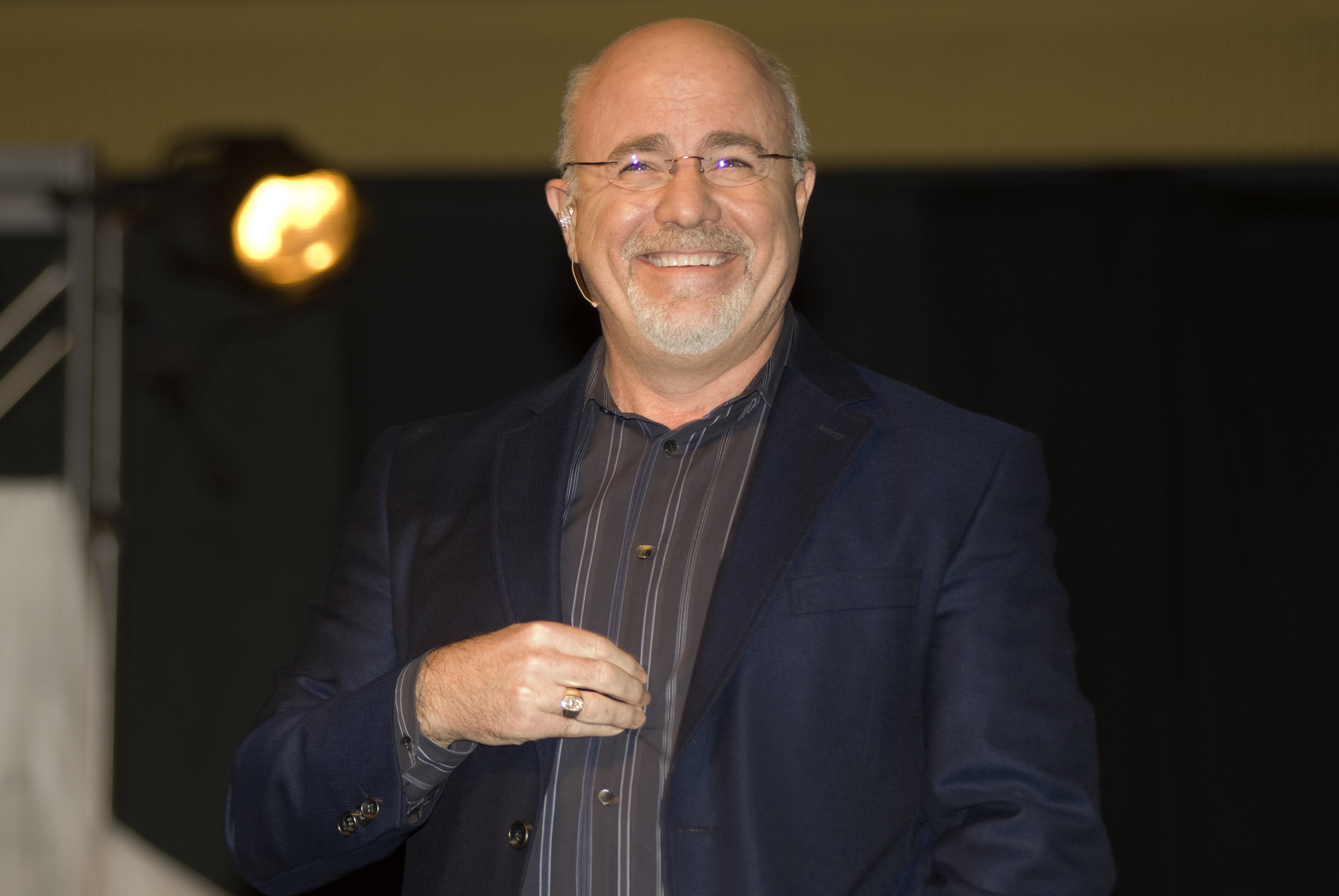
Why Dave Ramsey Thinks You Should Claim Social Security Before Full Retirement Age
The decision to sign up for Social Security is not an easy one. The reason? The age you start getting benefits will determine how much money the program pays you each month for the rest of your life. Your…


The decision to sign up for Social Security is not an easy one. The reason? The age you start getting benefits will determine how much money the program pays you each month for the rest of your life.
Your monthly Social Security benefits are based on your lifetime wage history — specifically, the amount of money you earned during your 35 most profitable years in the labor force. From there, your filing age will dictate whether you get your monthly benefits in full or not.
You’re eligible for your Social Security benefits without a reduction at full retirement age (FRA), which is 67 for anyone born in 1960 or later. However, Social Security allows seniors to first file for benefits at 62. It’s also possible to delay Social Security past FRA for boosted monthly checks, up until age 70.
A lot of financial experts recommend waiting until FRA to claim Social Security, especially if you don’t have much outside income to supplement those benefits. But financial guru Dave Ramsey feels differently.
Ramsey says it’s a good idea to claim Social Security early, as opposed to waiting until FRA to start getting benefits. But there’s a reason he feels the way he does.
Why Ramsey supports an early Social Security claim
Ramsey’s argument for taking Social Security is twofold. First, he says, if you take your benefits early and invest them, you can potentially come away with more money than what you’d get by waiting.
Secondly, Ramsey says, Social Security payments die with you. If you don’t live a particularly long life, you could short yourself on total Social Security income by waiting until FRA or beyond to take benefits. He thinks it pays to take the money once it becomes available to you and try to make the most of it.
Why Ramsey’s approach has some flaws
While it’s easy to see the logic behind Ramsey’s suggestion to claim Social Security early, there are a couple of flaws in his plan. First, he suggests investing the money to grow it into a larger sum.
The reality, though, is that many seniors aren’t going to do that. Therefore, in claiming Social Security early, they could end up in a worse financial spot.
Also, many retirees do not have savings or income outside of Social Security. Reducing those monthly benefits could mean not having enough income to live on.
Plus, there are plenty of people who claim Social Security and end up living very long lives. People in that situation risk losing out on lifetime Social Security income by signing up for benefits before FRA.
Know the risks of Ramsey’s strategy
Ramsey’s Social Security strategy is not a bad one, but it may not work for you. If you’re thinking of claiming Social Security before reaching FRA, know the risks of this approach.
In addition to risking less lifetime Social Security income and an inadequate amount of ongoing income, remember that investing itself carries risk. If you claim Social Security early to invest the money but your portfolio does poorly, you may not come out ahead.
Also remember that an early Social Security claim leaves your spouse with smaller survivor benefits if they outlive you. There are different consequences and risks that come with taking Social Security ahead of FRA, so it’s important to look at the big picture before making your choice.
Contact [email protected] for any questions or corrections.
Maurie Backman has more than a decade of experience writing about financial topics, including retirement, investing, Social Security, and real estate. Her work has appeared on sites that include The Motley Fool, USA Today, U.S. News & World Report, The Washington Post, and Kiplinger.
Prior to becoming a full-time financial writer, Maurie worked in the financial industry trading distressed debt. She then changed course and spent a few years designing electronic toys. After a stint in content marketing and UX, she shifted back into writing and has since covered everything from the housing market to estate planning to Medicare.
When she's not busy writing, Maurie can be found hiking, walking her dogs, driving her kids to their various sports practices and games, and curling up with a good book. She cooks on occasion and bakes way too often.