




Tesla (NASDAQ: TSLA | TSLA Price Prediction) is trading near $361, down 19.8% year-to-date, and the dominant narrative across financial media remains the same: missed delivery numbers, slumping EV demand, and Elon Musk’s divided attention. That framing misses the more consequential story building inside Tesla’s balance sheet.
The energy business generated nearly $12.8 billion in revenue in 2025, a 26.6% year-over-year increase, while automotive revenue declined 11% year-over-year in Q4 2025. This divergence signals a structural shift for the company.
The Megapack Engine
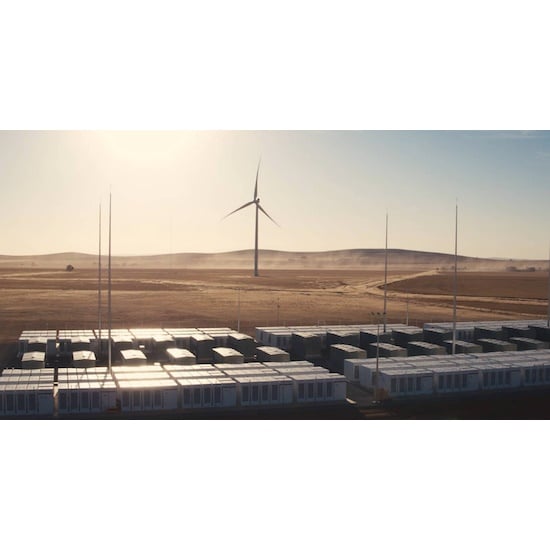
Tesla’s utility-scale battery product, Megapack, posted record Q4 energy storage deployments of 14.2 GWh, with energy segment revenue of $3.84 billion, up 25% year-over-year. The company operates Megafactories in California and Shanghai, with Megapack 3 and Megablock production planned at Megafactory Houston in 2026. CFO Vaibhav Taneja confirmed on the Q4 earnings call: “Our backlog remains strong, well-diversified globally, and we expect increasing deployments with the launch of MegaPack 3 and Mega Block.”
The lithium iron phosphate (LFP) chemistry behind these products offers cost, safety, and cycle-life advantages over alternative chemistries, and Tesla is building the supply chain to own every layer. LFP battery cell lines in Nevada and domestic cathode material production in Texas are both expected to begin in 2026. Musk was blunt about the competitive position: “We’re pretty much … not just the largest, but also the only lithium refinery and cathode refinery in America.”
The Virtual Power Plant and Autobidder Layer
Beyond hardware, Tesla is assembling a software-driven utility layer. The Powerwall Virtual Power Plant supported 89,000+ events across 1 million+ installed units in Q4 alone. Autobidder, Tesla’s AI-driven autonomous energy trading platform, operates battery assets in real time to capture price spreads on wholesale electricity markets, generating returns that carry margins closer to software than manufacturing.
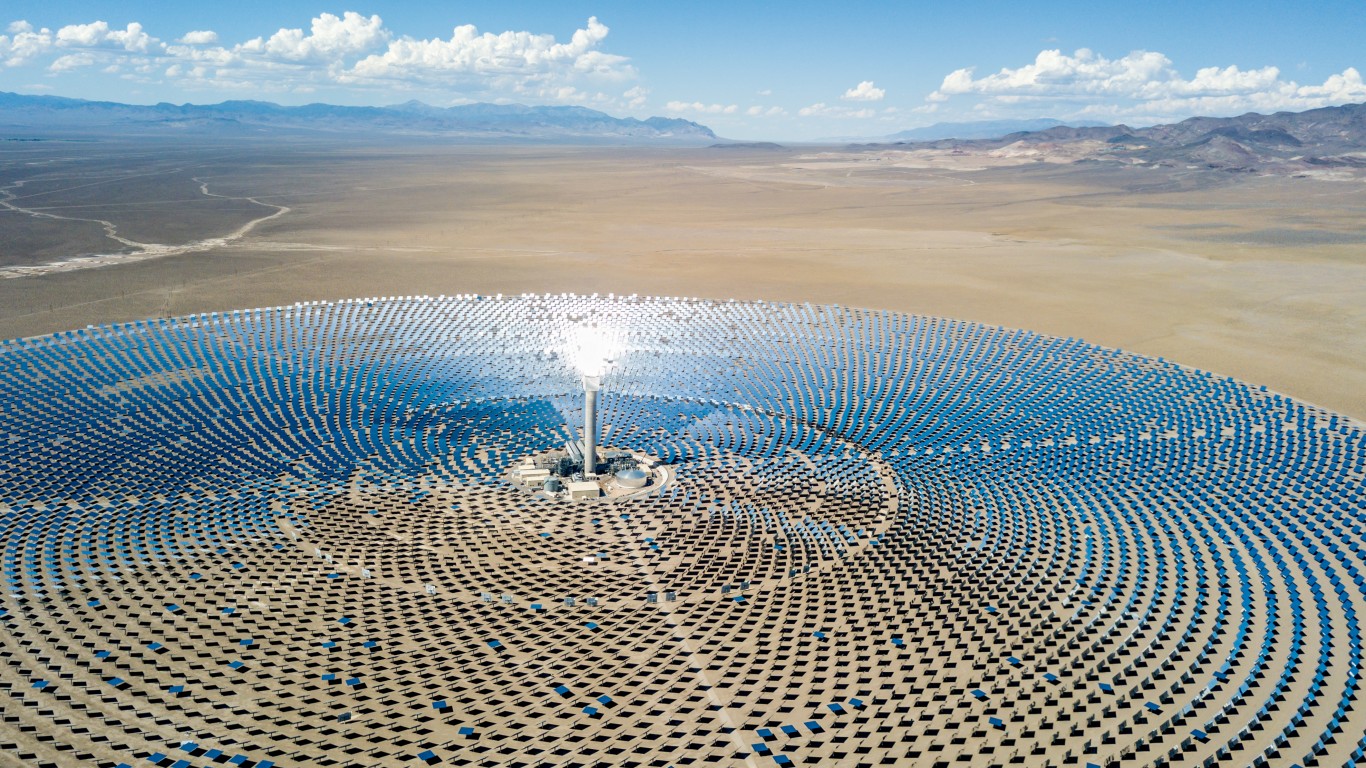
The scale ambition is significant. Musk outlined a target of 100 gigawatts per year of solar cell production, integrated across the entire supply chain from raw materials to finished panels. Tesla’s planned $2.9 billion solar equipment purchase signals that utility-scale solar manufacturing is no longer hypothetical.
What the Market Is Watching Instead
A review of 50 news articles from April 2 to 6, 2026, shows approximately a 6:1 ratio of automotive-to-energy coverage. Of nine active Tesla prediction markets on Polymarket, zero track any energy or grid services milestone. Reddit sentiment data shows no mentions of Tesla Energy, Powerwall, or Megapack across 30 days of tracked discussions.
The automotive business funds the buildout. The energy business is the destination. Musk described the energy opportunity directly: “We are building more manufacturing capacity and expect that energy will have very high growth for as far into the future as we can imagine.” Investors still pricing Tesla as a car company may be measuring the wrong asset entirely.










 Top Gaining Stocks
 Top Losing Stocks