




Wall Street has cheered almost every press release about AI infrastructure, with hyperscalers Microsoft, Google, Amazon, Meta, and Oracle, plus the Stargate joint venture, committing more than $1 trillion in announced data center spending.
The Contradiction
The market loves it. Local zoning boards do not. In Loudoun County, Tucson, central Ohio, and across rural Wyoming, the same buildout is running into ballot measures, town hall revolts, viral TikTok rants about water and electricity, and a steady drip of op-eds asking who exactly asked for this. Meanwhile, a single California almond requires roughly one to two gallons of water to grow.
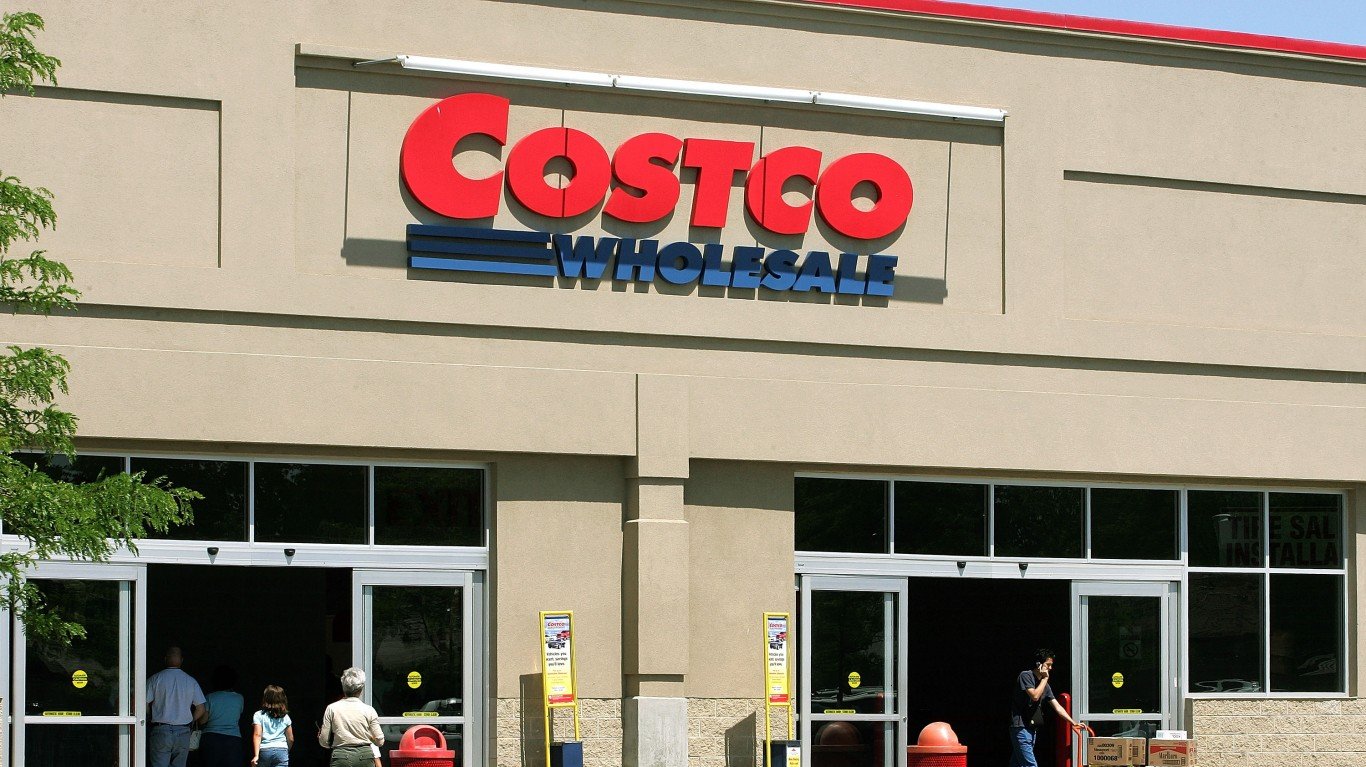
You can buy a three pound bag at Costco for fifteen dollars. Nobody is picketing Blue Diamond when someone walks out with 1500 gallons of water tucked under their arm. Why? Well….
That contradiction drives everything. The industry that built the global communication stack is losing a communication war to opponents with a fraction of its budget, reach, and platform access. The historical pattern explaining why is older than the cloud itself.
The Math People Are Not Doing
California agriculture uses roughly 80% of the state’s developed water supply, and almonds alone account for about 10% of that agricultural draw. The EPA puts US residential outdoor water use, mostly lawns, at roughly 8 to 9 billion gallons per day. A single American suburban lawn can swallow tens of thousands of gallons a year producing nothing edible, nothing tradable, nothing but green.
Data centers are real users too. They consume water for evaporative cooling and electricity at industrial scale. The EIA projects US commercial electricity demand will grow roughly 3% in 2025 and 4.5% in 2026, citing data centers as a primary driver. But the per-query footprint of a chatbot prompt is measured in milliliters, not gallons.
The aggregate is large because the user base is the planet. Read it again. The user base is the planet.
The Concerns
None of that excuses the buildout. Grid strain isn’t something you can just hand wave away.
Siting decisions that drop a 500 megawatt campus next to a residential subdivision in a drought-prone county are genuinely tone deaf. The Enbridge and Meta Cowboy solar-plus-storage project near Cheyenne, Wyoming, pairing 365MW of solar generation with a 200MW/1,600MWh battery system and expanding a partnership of approximately 1.6GW of contracted energy capacity in North America, is the kind of headline that reads great in an investor deck and lands very differently at a county commissioners meeting.
Industry coverage of that very project framed the buildout as a fierce debate pitting the economic and tax benefits these developments bring to local regions against their impacts on grid stability, water tables, and local communities.
While the concerns are 100% valid, they are also radically out of proportion to the silence around lawns, almonds, beef, and bottled water extraction from drought-stricken aquifers.
The Long Memory
Like you, I’ve seen corporate narrative fights for as long as I’ve cared about business, and the pattern repeats with almost embarrassing consistency.
Big Tobacco bought decades of social license with the Marlboro Man and doctor endorsements.
Big Sugar successfully redirected an entire generation of dietary blame onto fat.
The California Almond Board ran “a handful a day” and turned a water-intensive luxury crop into a wellness staple.
The Beef Council still owns “Beef. It’s What’s For Dinner” thirty-plus years on.
Bottled water brands quietly pump from aquifers in places that ration tap water for residents, and the resistance is essays, not ballot measures.
The pattern is consistent: industries with genuinely heavy resource footprints invested early, repeatedly, and unglamorously in narrative. They showed up at the county fair. They sponsored the school nutrition pamphlet. They built a story a regular person could repeat at a dinner table without sounding like a lobbyist.
The Strategic Failure
Tech never built that function. Its PR is technical, defensive, reactive, and aimed at the wrong audience. When the hyperscalers publish sustainability reports, they explain power usage effectiveness ratios and water reclamation percentages to an audience that wanted to know whether the new substation is going to make the creek warm.
Every protester showing up to a zoning hearing remotely is doing so on a phone that routes through the cloud they are protesting. Reddit, TikTok, Instagram, Netflix, banking, Zoom, the school portal, the appointment system at the pediatrician: all of it runs in a building with cooling towers in a county somewhere. The disconnect is a communication failure by the industry that literally owns the communication platforms.
Yes, our water is for drinking. Yes, it is for producing the food we eat. Yes, we already use it in many incredibly inefficient ways, with more to come.
This is not to excuse tech or introduce waterboutism for all the other ways we could use our most precious resource better.
The Prescription
The hyperscalers should turn their thinking machines to understand PR for the Almond Board. Or the Beef Council.
The industries that won the narrative won because they showed up, year after year, with a story regular people could repeat. Tech keeps showing up with a white paper, an engineer in a fleece, and a chart with no y-axis label. A trillion dollars of capex is being deployed by an industry that cannot explain itself to a city council. That is a story problem, and the almond solved it forty years ago.
Contact [email protected] for any questions or corrections.









 Top Gaining Stocks
 Top Losing Stocks