NIO Drops 6% on First-Ever Profit, Tesla Moves Up 2%: The Two-Speed EV Trade in Action
Shares of Nio (NYSE:NIO | NIO Price Prediction) are down 7% on Friday morning, an unusual reaction to a quarter that, on paper, marked a genuine turning point for the Chinese EV maker. Nio’s revenue jumped 112% year over year,…


Shares of Nio (NYSE:NIO | NIO Price Prediction) are down 7% on Friday morning, an unusual reaction to a quarter that, on paper, marked a genuine turning point for the Chinese EV maker. Nio’s revenue jumped 112% year over year, deliveries nearly doubled, and the company posted its first-ever quarterly adjusted operating profit.
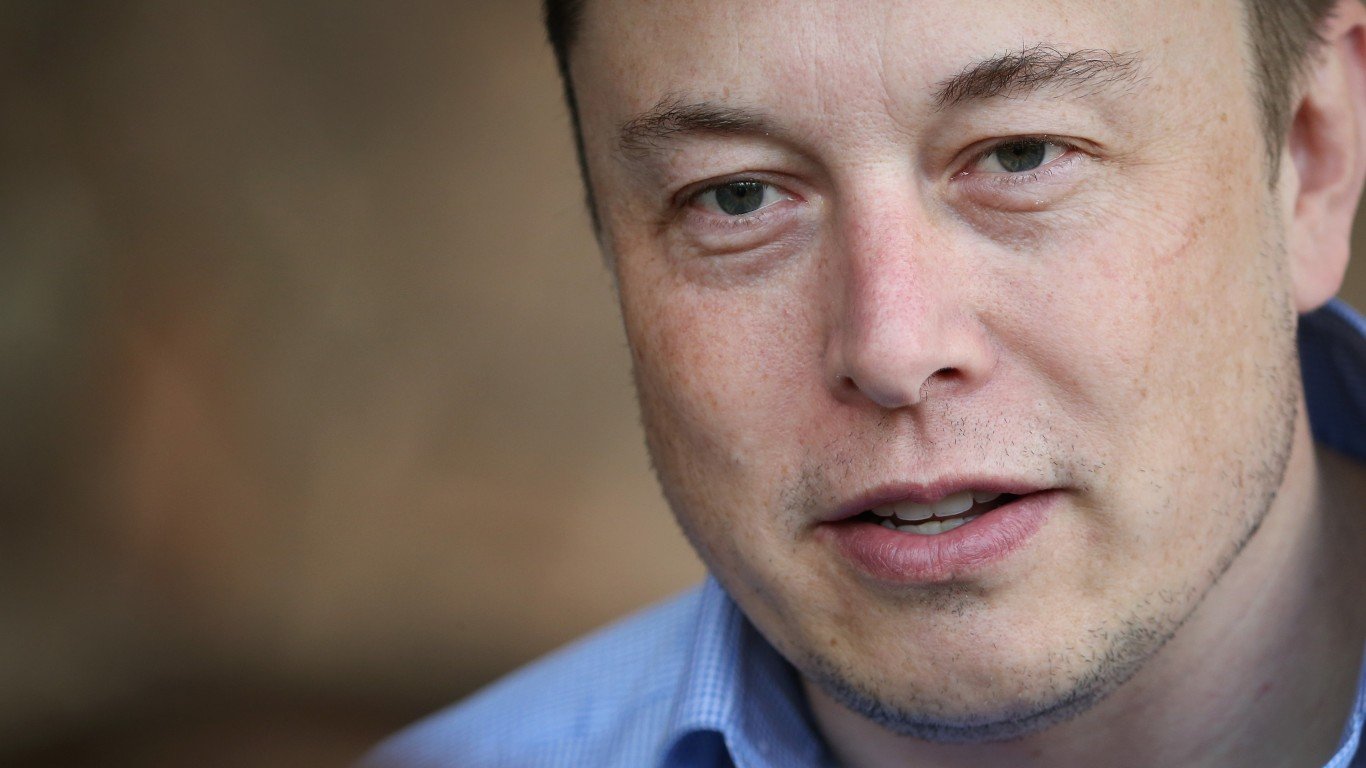
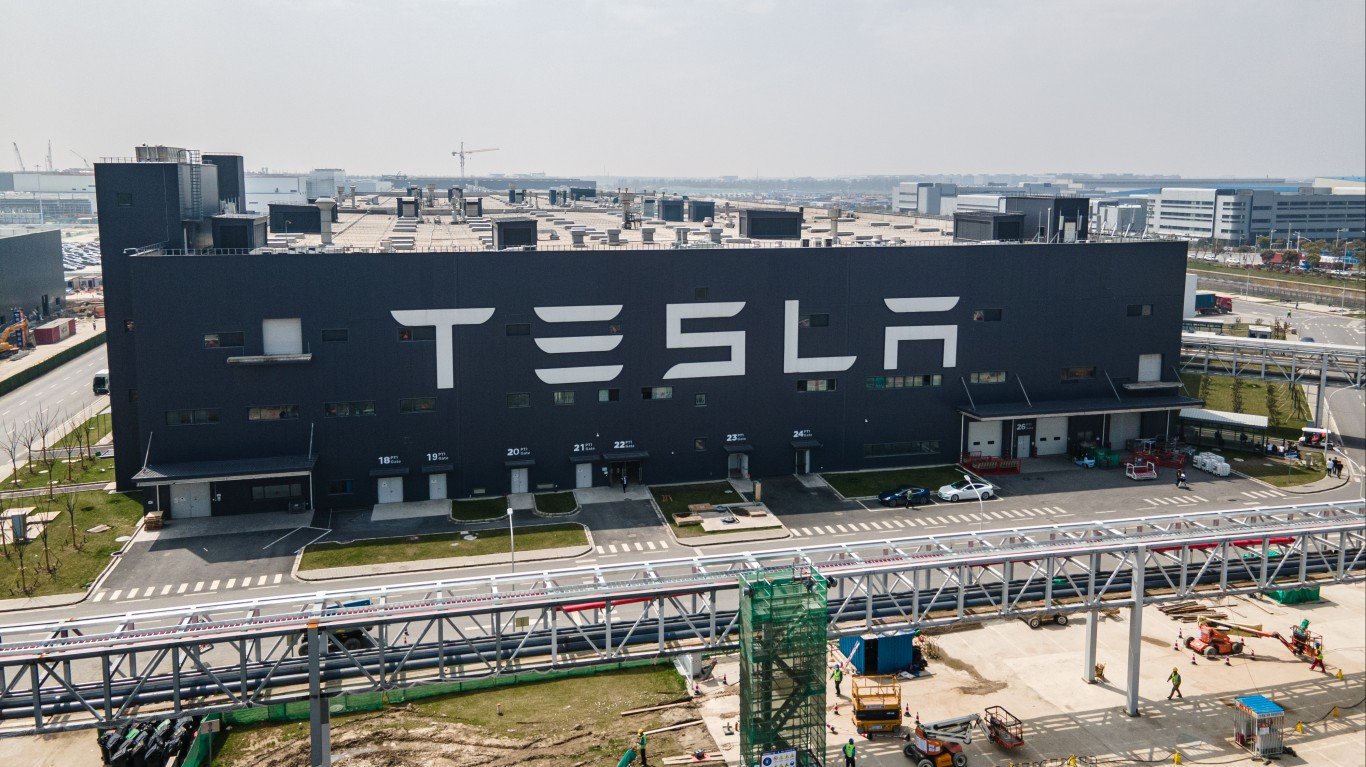
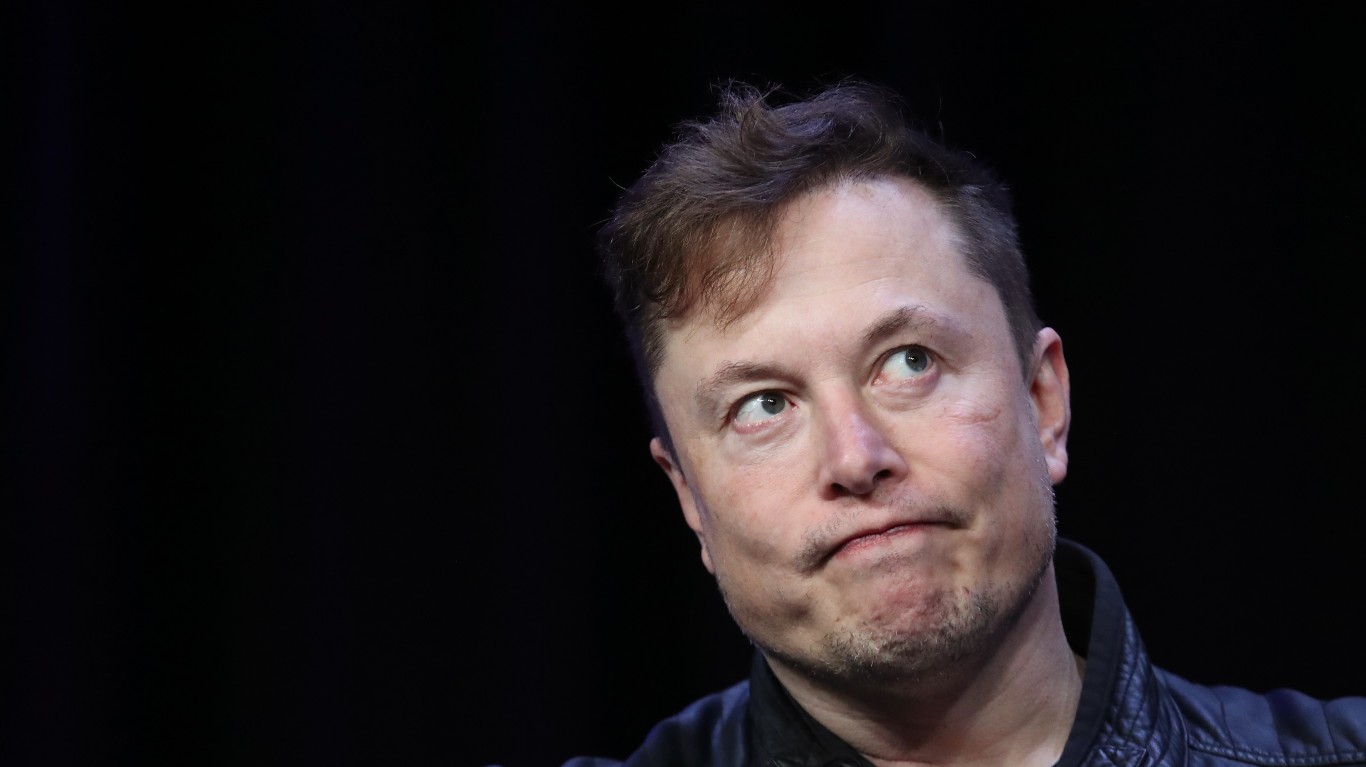
Meanwhile, Tesla (NASDAQ:TSLA) is up 1% on no fresh company-specific catalyst of its own. The contrast is the entire story. The market is pricing narrative over fundamentals, and right now the narrative belongs to Tesla CEO Elon Musk.
Nio stock closed Thursday near $5.60, leaving NIO stock down 13% on the month even before today’s drop. Tesla closed at $417.85, still up 8% on the month.
Nio’s Q1 Was Actually Good
Nio reported Q1 2026 revenue of RMB 25.5 billion, with deliveries growing to 83,465 units. Gross margin expanded to 19%, and the company swung to a non-GAAP adjusted operating profit of about $66.76 million, a first for the franchise.
The GAAP line was still a small loss of -$0.03 per share, and Nio’s deliveries fell 33% sequentially from a record Q4. That sequential dip, combined with a softer April monthly tally, appears to be giving traders an excuse to take profits after Nio’s 42% one-year run heading into the report.
Nio CEO William Bin Li offered a confident outlook:
Starting from the second quarter, the Company has entered an intensive new product launch and delivery cycle. We expect total deliveries in the second quarter to range between 110,000 and 115,000 vehicles, with a year-over-year growth of 52.7% to 59.6%.
Guidance like that should support sentiment, but traders are selling NIO stock anyway.
Tesla’s Day Is About SpaceX
Today’s Tesla stock-price move is driven by the broader Musk ecosystem rather than the carmaker itself. Recent disclosures reference roughly $890 million in sales tied to Musk-affiliated companies, the SpaceX IPO is reportedly framed in the $1.75 trillion to $2 trillion range, and an active recall covers 14,575 Model Y SUVs. None of that is genuinely fresh news.
This morning, the SpaceX halo evidently continues to lift Tesla stock. Polymarket traders currently assign a 92% probability that SpaceX will carry a higher valuation than Tesla by June 30, while a Tesla-SpaceX merger announcement by year-end is priced near 20%. Both markets remain live and well-traded.
Retail chatter reinforces the dynamic. A widely upvoted WallStreetBets post this week described intercompany Megapack and Cybertruck purchases as “Musk’s infinite money glitch,” while a popular r/stocks thread bluntly asked, “What is the optimist case for Tesla anymore?” The bull and bear cases for Tesla stock now run through the Musk ecosystem rather than Tesla’s vehicle franchise.
Weighing the Musk Premium
Here’s the honest read. Nio’s quarter was the kind of operating result that historically rewards a stock, and it’s being sold. Tesla’s quarter, in contrast, isn’t even the topic. Investors are buying optionality on the SpaceX IPO, Full Self-Driving expansion (now launched in China and additional markets), and a possible future combination with the private rocket company.
Both sides have substance. The bull case for Nio stock rests on margin recovery, a 19% gross margin print, and a stock that’s down 84% over five years and could mean-revert if profitability sticks. Meanwhile, the bull case for Tesla stock rests on the same multiyear track record that has produced a 116% five-year return and a 2,799% ten-year return, plus speculative upside from the broader Musk ecosystem.
The bear case for Nio is brutal Chinese EV competition and a long history as a value trap. The bear case for Tesla is a P/E ratio of 414x, year-to-date performance of -7%, and the fact that a SpaceX merger remains speculation rather than a signed agreement.
What to Watch
For Nio, the key questions are whether Q2 guidance of 110,000 to 115,000 deliveries holds, and whether the adjusted operating profit becomes a streak rather than a single print. The ES9 SUV launch on May 27 and the ONVO L80 ramp could set the tone for the back half of the year.
For Tesla, keep an eye on the stock as the SpaceX IPO timeline firms up, on any incremental FSD adoption data, and on whether the Model Y recall expands. Today’s two-speed trade is a clean snapshot of a market that, at least for now, prefers a Musk-adjacent narrative over a clean operating beat from a Chinese EV maker. Whether that preference survives the next earnings cycle is the more interesting question.
Contact [email protected] for any questions or corrections.
David Moadel is financial writer specializing in stocks, ETFs, options, precious metals, and Bitcoin. David has written well over 1,000 articles for leading online publications, helping investors understand markets, income strategies, and risk.His work has appeared in The Motley Fool, InvestorPlace, U.S. News & World Report, TipRanks, ValueWalk, Benzinga, Market Realist, TalkMarkets, Finmasters, 24/7 Wall St., and others.With a master’s degree in education, David has taught at the elementary, high school, and college levels. That teaching background shapes his writing style: clear, educational, and practical. David has also built a loyal social-media audience by providing trustworthy financial content on YouTube, X/Twitter, and StockTwits.