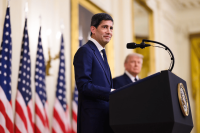
The First Rate Hike Since 2023 Jolts Markets. Will Kevin Warsh and the Fed Move on June 16?
The European Central Bank raised its policy rate by 25 basis points this morning, citing the Iran War as a central cause. It is the ECB’s first rate hike since 2023, and it lands three weeks after Kevin Warsh was…

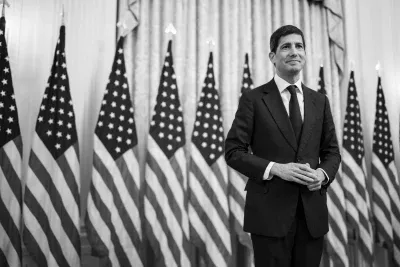
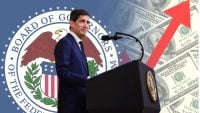
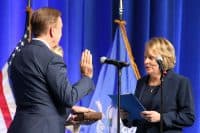
The European Central Bank raised its policy rate by 25 basis points this morning, citing the Iran War as a central cause. It is the ECB’s first rate hike since 2023, and it lands three weeks after Kevin Warsh was sworn in as Jerome Powell’s successor at the Federal Reserve on May 22, 2026. The question now consuming bond desks, mortgage brokers, and anyone within five years of retirement: does Frankfurt’s move foreshadow a hawkish pivot in Washington?
The setup is uncomfortable. The Fed has held its target range steady with an upper bound of 3.75% since December 10, 2025, a pause that has now stretched past six months. That hold was supposed to be a runway to more cuts. Instead, inflation is reaccelerating. May Producer Price Index came in at 6.5% year over year, the highest reading since December 2022, driven by energy and gasoline. Core PCE, the Fed’s preferred gauge, hit 129.63 in April, sitting in the 90.9th percentile of its 12-month range. Oil is the proximate cause: WTI crude closed at $95.00 a barrel on June 8, after spiking to $112.09 on May 19 on Strait of Hormuz fears.
Fresh news today that Donald Trump is threatening to seize Iran’s main oil facility increases rate uncertainty.
What the Bond Market Is Telling You
The 10-year Treasury yield sits at 4.53% as of June 9, up 0.15 over the past month and just below its year-to-date high of 4.67% touched on May 19. The 10-year/2-year spread has compressed to 0.42%, down from roughly 0.54 a month ago. A flattening curve is the bond market saying near-term rate pressure is rising while long-run growth expectations are cooling.
Traders are putting money where their mouths are. On Polymarket, the year-end 3.75% bucket has fallen to about 31%, down roughly 27 points over the past month, while the 4.00% bucket has climbed to about 34% and the 4.25% bucket to about 16%. Bettors are climbing the rate ladder. Strategist Ed Yardeni has publicly called for a Fed hike as soon as the July 29 meeting.
What Higher-for-Longer Means at the Kitchen Table
For households, the math is unforgiving. A 30-year fixed mortgage tracks the 10-year Treasury, which means the refinance window that briefly cracked open last fall has slammed shut. Auto loans, which reprice faster, get more expensive with every upward tick in short rates. Credit card APRs ride the federal funds rate directly. In addition, rising rates would put pressure on stocks and also risk tipping the economy into a recession.
The flip side is savings: high-yield online accounts and short Treasuries are still paying real, positive returns after inflation for the first time in a generation. Retirees and near-retirees holding cash or T-bills are the quiet winners. Holders of long-duration bond funds purchased in 2021 are still nursing losses, and another leg up in yields would deepen them.
The signal to watch is the FOMC meeting on June 16. Warsh does not need to hike to deliver a hawkish message. A statement that drops references to upcoming cuts, or a dot plot (if issued) showing fewer reductions in 2026, would do the work. A hold with dovish language would tell you the Fed sees the oil shock as transitory and is still leaning toward easing once geopolitics calms. Either outcome reprices mortgages by Friday and will be closely watched by the stock market at large. Watch what Warsh signals next week, not what he says about the long run.
Contact [email protected] for any questions or corrections.
Eric Bleeker, CFA has been investing for more than 20 years. He began his career working at Microsoft before joining Motley Fool, one of the largest publishers of financial research. In his 15 years at Motley Fool Eric served as the General Manager for Fool.com and led coverage in the Technology & Telecom sector. In addition, he was a featured columnist and has hosted dozens of investing seminars attended by more than a million total investors. Eric has more than 1,000 financial bylines to his name and has been featured in The Wall Street Journal, CNBC, Fox Business, and many other leading publications. He is currently focused on artificial intelligence investing and is a CFA Charterholoder.