DRAM’s 49 Percent Korea Weighting Means Half the Fund Trades While New York Is Closed
Korea has two large memory companies: Samsung and SK Hynix. Meanwhile, the Roundhill Memory ETF (BATS:DRAM) has done what hot launches do: rip. The fund is up 90% since its April 2, 2026 inception, and it has $10.38 billion in…


Korea has two large memory companies: Samsung and SK Hynix. Meanwhile, the Roundhill Memory ETF (BATS:DRAM) has done what hot launches do: rip. The fund is up 90% since its April 2, 2026 inception, and it has $10.38 billion in fund assets under management, and added more than $1 billion in a single day on May 8.
The catch is structural. DRAM is a U.S. listed ETF whose underlying portfolio is 49% South Korean equities, meaning roughly half of what you own stops trading at 3 p.m. Seoul time and does not start again until you are asleep.
What you are actually buying
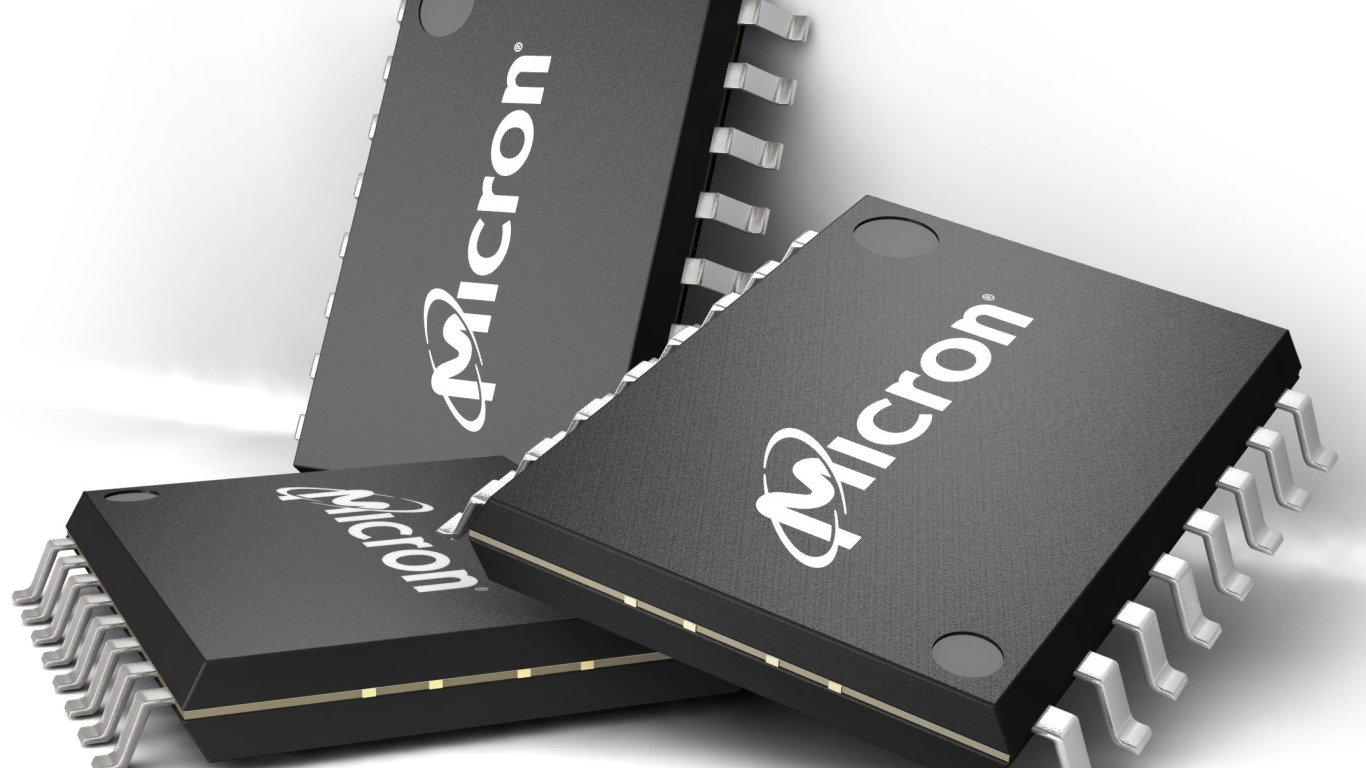
Memory is the picks and shovels of AI. The three companies that matter control roughly 95% of the market, and DRAM gives you all of them in one ticker. The geographic breakdown is 38% United States, 6% Taiwan, and 5% Japan, with the Korean half split between Samsung Electronics at 25% and SK hynix at 24%. Micron Technology (NASDAQ:MU | MU Price Prediction) anchors the U.S. side at 24%. Expense ratio is 0.65%, which is fine for a thematic but not cheap.
The time zone problem
An ETF’s net asset value is just the holdings priced at the close, stacked up. When half the holdings closed in Seoul 14 hours before the New York bell, the published NAV uses stale prices that nobody can actually trade against. Market makers quote DRAM at where they think Samsung and SK hynix will open in Korea tonight, which is a guess dressed up as a spread. During calm tape, the premium or discount to NAV stays tight. During volatility it widens, sometimes a lot. iShares Core MSCI Emerging Markets, with Samsung at 4% and SK Hynix at 2%, has lived this for years. DRAM concentrates the same mechanic.
Picture a retail investor who bought DRAM near the recent peak. Samsung reports a material HBM miss after Seoul opens. Seoul sells the news while U.S. markets are closed. DRAM’s NAV cannot reprice until the next U.S. session, so the first hour of New York trading absorbs eight hours of price discovery in a single gap. Institutional desks hedging on Korean ADRs and futures see it coming. The late retail buyer eats the open.
Compared to the alternatives
Since DRAM launched on April 2, owning Micron outright returned 105%, while the broader iShares Semiconductor ETF (NASDAQ:SOXX) returned 58%. DRAM’s 90% sits in between, roughly what you would expect from a portfolio that is one third Micron and two thirds Korean memory names trading at a structural discount to their U.S. peer.
The supercycle is real. Micron just printed Q1 2026 revenue of $14 billion, up 57% year over year, with Cloud Memory gross margins at 66% and Q2 guidance of $19 billion. CEO Sanjay Mehrotra called Micron “an essential AI enabler.” If that is the thesis, the cleanest way to own it is the U.S. ticker that reports during U.S. hours.
The tradeoffs that bite
- Overnight gap risk. Korean earnings, Korean macro news, and Korean holiday closures create one-sided information flow before U.S. open. Micron’s next earnings on June 29 will move 24% of the fund instantly. Samsung’s will move a similar slice while you cannot trade.
- Cycle exposure. Memory is the most cyclical corner of semis. A 100% advance in seven weeks tends to mean-revert hard.
- Expense versus alternatives. SOXX charges less and gives you broader semis. Owning Micron directly costs nothing and avoids the FX and time zone overlay entirely.
Who this actually fits
DRAM makes sense as a small tactical sleeve for an investor who specifically wants exposure to Samsung and SK hynix without opening a Korean brokerage account, and who can tolerate getting picked off on gap days.
Anyone whose real thesis is “memory is the AI trade” can express that with Micron and pay zero in fund fees. Anyone who wants the supercycle with less single-product risk owns SOXX. The 49% Korea weighting is the feature and the bug, depending on whether you are awake when Seoul trades.
Contact [email protected] for any questions or corrections.
Omor Ibne Ehsan is a writer at 24/7 Wall St. He is a self-taught investor with a focus on growth, cyclical, and dividend equities that have strong fundamentals, value, and long-term potential. He also has an interest in high-risk, high-reward investments such as penny stocks.