Buffett’s Berkshire Hathaway Just Made its First Major AI Investment: Here’s the Next AI Buy It Could Make with its $365 Billion Cash Pile
On June 1, CNBC reported that Berkshire Hathaway (NYSE:BRK-B) invested an additional $10 billion in Alphabet (NASDAQ:GOOGL) through a private stock purchase, deepening its bet on artificial intelligence. The move made Berkshire a meaningful participant in Alphabet's larger $80 billion…

This post may contain links from our sponsors and affiliates, and Flywheel Publishing may receive compensation for actions taken through them.
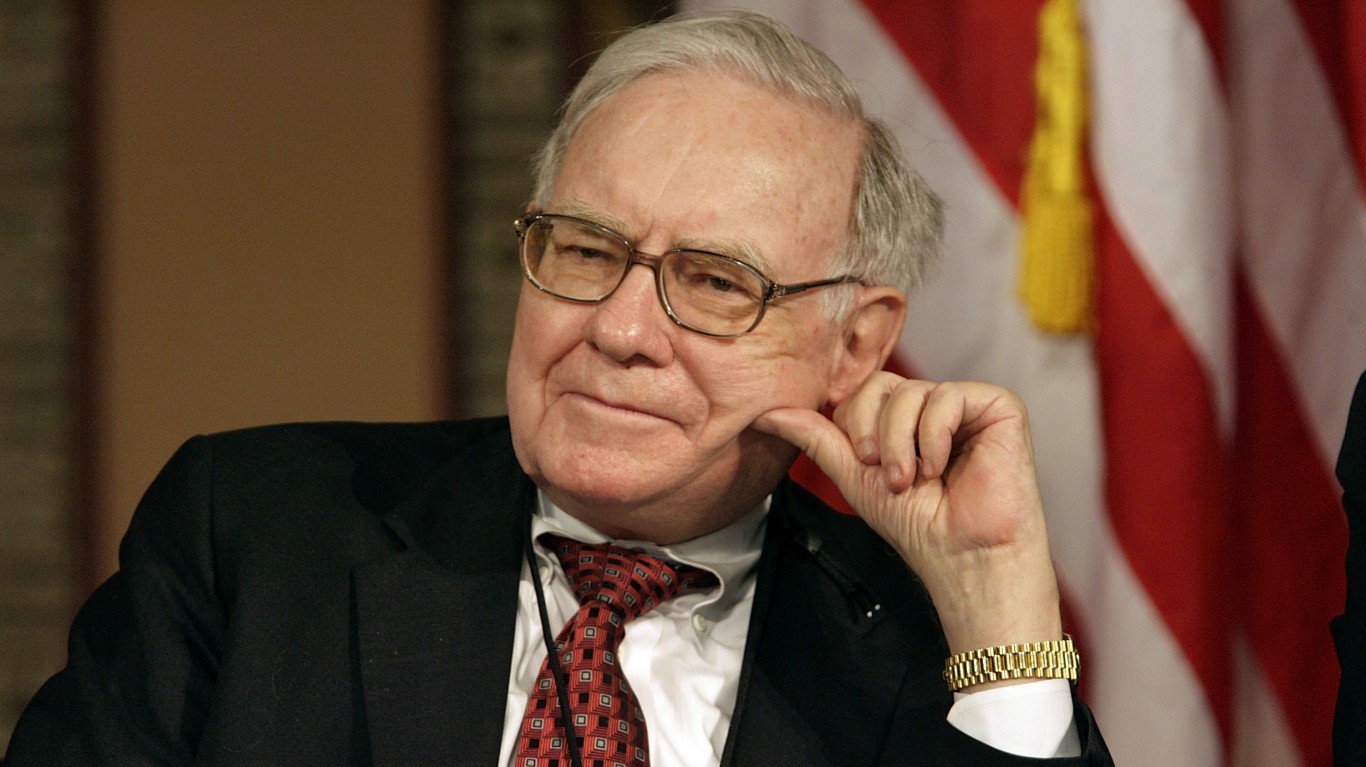
On June 1, CNBC reported that Berkshire Hathaway (NYSE:BRK-B | BRK-B Price Prediction) invested an additional $10 billion in Alphabet (NASDAQ:GOOGL) through a private stock purchase, deepening its commitment to artificial intelligence. Alphabet sold $5 billion of Class A shares at $351.81 apiece and another $5 billion of Class C stock at $348.20 per share. The deal made Berkshire a meaningful participant in Alphabet’s larger $80 billion equity raise aimed at funding AI infrastructure and global computing capacity expansion.
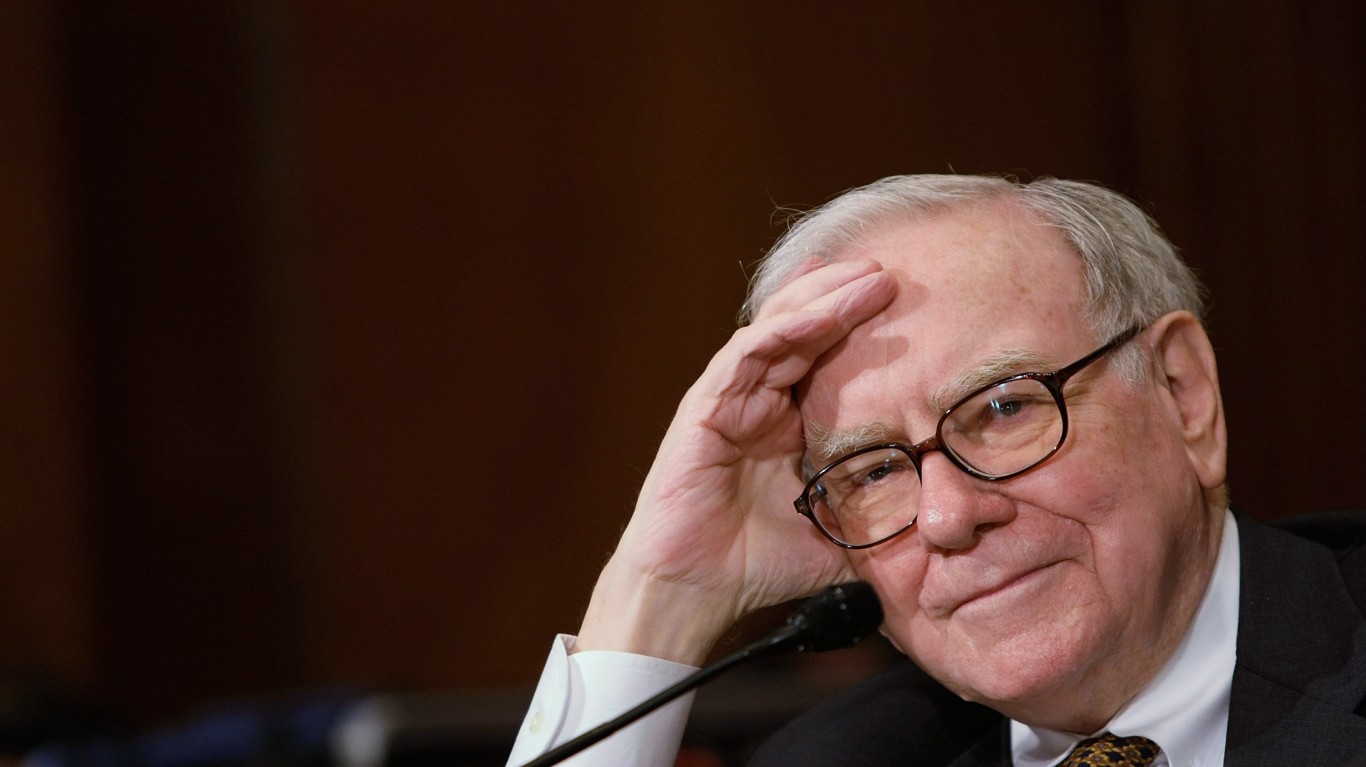
This was Berkshire’s first major bet on artificial intelligence, committed under CEO Greg Abel, who took the helm at the start of 2026. Berkshire had $397.4 billion in cash and Treasury bills at the end of March, a record that gave the conglomerate firepower for exactly this kind of capital deployment. Warren Buffett, who remains Berkshire’s chairman, later told CNBC that the Alphabet thesis was his own idea, with Abel’s backing.
For investors who watch where disciplined capital flows, the signal matters. A famously conservative holding company is leaning into the AI capital cycle through Alphabet, the cheapest mega-cap AI name on a price-to-earnings basis.
A Departure From Buffett’s Playbook
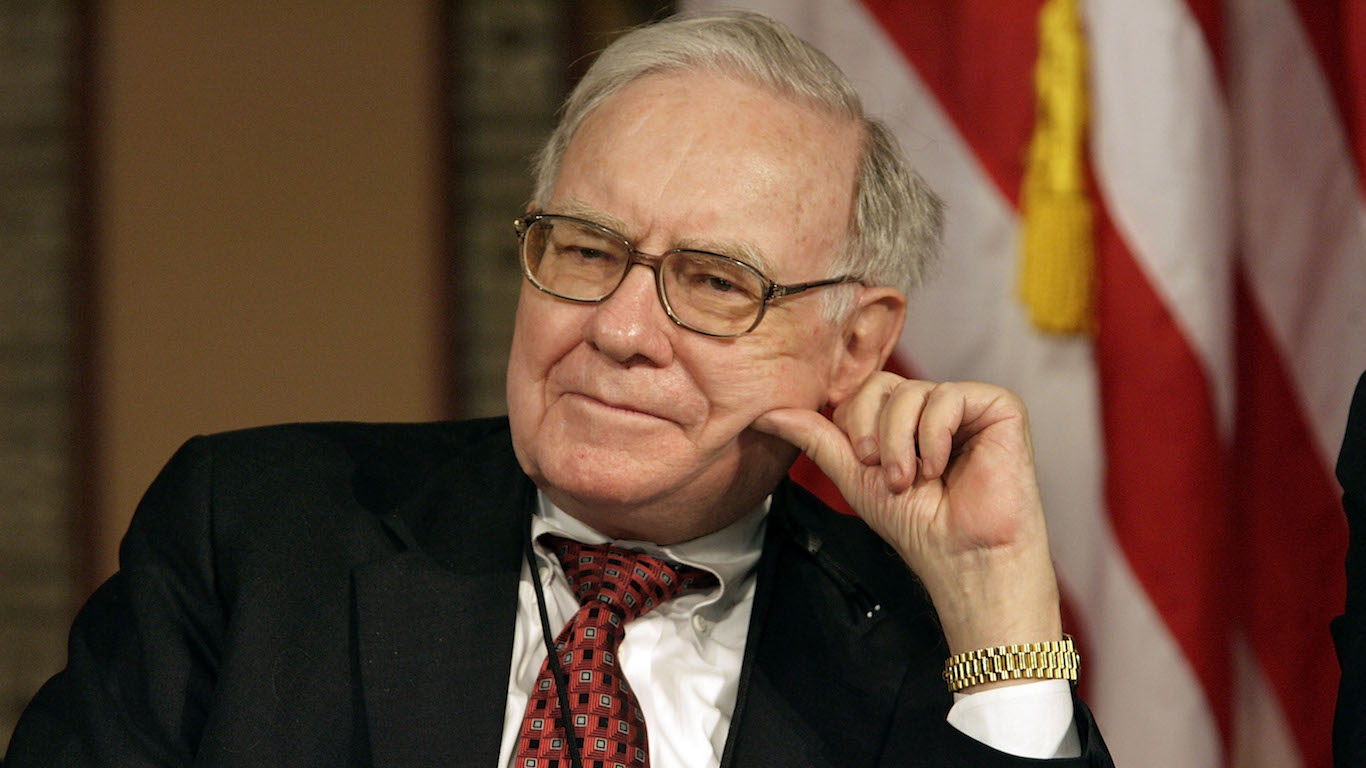
Warren Buffett spent years searching for an “elephant” large enough to absorb Berkshire’s swelling cash pile. The Alphabet stake represents a clear shift from his traditional reluctance to take large technology positions, though Buffett has long admired the Google business.
Berkshire deployed capital aggressively on multiple fronts at the same time. The company completed its acquisition of Taylor Morrison Home on July 24, 2026, paying $72.50 per share in cash for a total equity value of approximately $6.8 billion, adding a national homebuilder with over 350 communities across 21 markets to its portfolio. Berkshire had already acquired OxyChem in January for approximately $9.4 billion. By the end of June, Berkshire’s cash pile had declined to $365.5 billion from the record $397.4 billion set three months earlier, as the conglomerate became a net buyer of equities for the first time in 14 consecutive quarters.
Alphabet’s fundamentals clearly justified the interest. The company reported Q1 2026 EPS of $5.11, up 82% year over year, on revenue of $109.9 billion, up 22%. Google Cloud grew 63% to $20.03 billion in that quarter, with backlog crossing $460 billion. By Q2 2026, Cloud growth accelerated further to 82%, with revenues hitting $24.8 billion.
The 2008 Playbook, Revisited
During the 2008 and 2009 financial crisis, Berkshire used its balance sheet to secure favorable terms when capital was scarce. A similar dynamic appears to be unfolding in AI infrastructure, where even the most profitable companies are running up against the limits of self-funded buildouts.
Alphabet guided 2026 capital expenditures to a range of $175 to $185 billion, and Q1 free cash flow fell 47% year over year to $10.12 billion as spending doubled. That funding gap is precisely what created room for a Berkshire-sized check. By Q2, Berkshire had grown its Alphabet position by 83% to nearly 106 million shares worth about $37.8 billion, vaulting the Google parent into Berkshire’s top three holdings behind only Apple and American Express.
Who Could Be Next? An Analytical Look
The speculative question is which AI builder Berkshire could approach next. Amazon (NASDAQ:AMZN) has guided to roughly $200 billion in 2026 capex, and Amazon stock trades at a trailing P/E of 32x, expensive by traditional value standards.
Meta Platforms (NASDAQ:META) raised its 2026 capex guide to a range of $125 to $145 billion, yet Meta stock carries a trailing P/E of 22x and the company posted 33% revenue growth last quarter. Microsoft (NASDAQ:MSFT), with an AI annualized revenue run rate of $37 billion, may be the priciest candidate but arguably the most strategically diversified.
None of these companies has signaled an imminent Berkshire-style capital raise. The broader framework, however, suggests the largest AI spenders may eventually need cash-rich partners as capex requirements outpace their own free cash flow generation.
What This Means for Investors
Berkshire Hathaway’s Alphabet investment endorses the AI infrastructure thesis from one of the most cautious operators in global finance. Retail investors, though, cannot access private placements or the preferred-share structures that Berkshire negotiates. Following this trade into Alphabet stock means accepting full equity risk at public prices.
The investment is best treated as a signal to study rather than a trade to replicate. Berkshire’s scale, access, and terms are simply not available in the open market. Still, when a balance sheet of this size leans into a particular opportunity, the underlying thesis deserves careful attention.
Editor’s note: This update corrects the OxyChem acquisition price to approximately $9.4 billion per Berkshire’s Q2 2026 SEC filing, updates the cash pile figures to $397.4 billion at Q1 end and $365.5 billion at Q2 end, reflects the completed Taylor Morrison acquisition (closed July 24, 2026), adds Alphabet Q2 2026 results showing Google Cloud accelerating to 82% growth, and notes that Warren Buffett credited himself with originating the Alphabet investment thesis.
Contact [email protected] for any questions or corrections.
David Moadel is financial writer specializing in stocks, ETFs, options, precious metals, and Bitcoin. David has written well over 1,000 articles for leading online publications, helping investors understand markets, income strategies, and risk.His work has appeared in The Motley Fool, InvestorPlace, U.S. News & World Report, TipRanks, ValueWalk, Benzinga, Market Realist, TalkMarkets, Finmasters, 24/7 Wall St., and others.With a master’s degree in education, David has taught at the elementary, high school, and college levels. That teaching background shapes his writing style: clear, educational, and practical. David has also built a loyal social-media audience by providing trustworthy financial content on YouTube, X/Twitter, and StockTwits.