Elizabeth Warren Lays a Trap for Jensen Huang. He May Have No Choice But to Accept.
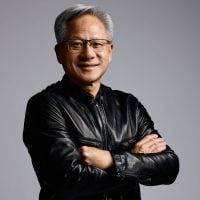
Nvidia CEO Jensen Huang has spent the past several years becoming one of the most influential executives in the world. In the wake of the AI boom, Nvidia has become one of the most valuable companies in the world…

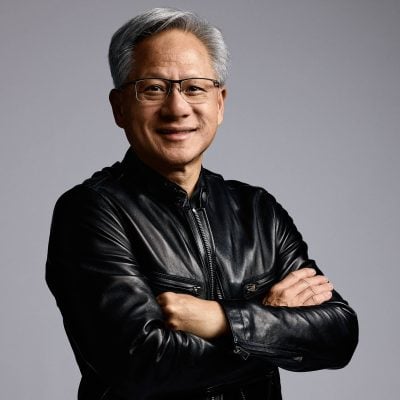
Nvidia CEO Jensen Huang has spent the past several years becoming one of the most influential executives in the world. In the wake of the AI boom, Nvidia has become one of the most valuable companies in the world with a market cap of over $5 trillion.
But now, Huang may be headed for a political minefield.
Senator Elizabeth Warren is pushing for Huang to testify before Congress on U.S. export controls on advanced AI chips and Nvidia’s business dealings involving China.
On the surface, congressional testimony might seem like a routine part of running a major technology company. In reality, it could put Huang in an extremely difficult position.
Warren has already made her position clear
Warren has not exactly approached the issue as a neutral observer.
In public statements, she has accused Huang of “sneaking in” efforts to weaken export restrictions and “pushing his agenda” in Washington. She has also suggested that Nvidia’s activities could undermine national security objectives and boost China’s military.
Those are serious allegations. And they suggest that any congressional hearing involving Huang would likely be contentious from the start.
For Nvidia, that’s a concern because congressional hearings are rarely just about gathering information. A CEO answering questions under oath faces significant risks.
A poorly worded response can generate headlines for days. A genuine answer can be edited into a viral clip that spreads across social media. All of these things could have huge stock price implications.
Plus, there’s a matter of protecting sensitive business information. Huang has spent decades helping to build Nvidia’s competitive advantages. Public questioning could put him in an awkward position.
Huang may be stuck in a no-win situation
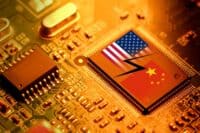
Huang’s political problem extends beyond Warren. Nvidia is trying to navigate an increasingly complicated relationship between the U.S. and China.
But U.S. policymakers have been growing increasingly concerned about China’s technological advancements. That leaves Huang caught between competing political interests.
If Huang aggressively defends Nvidia’s efforts to maintain access to China, critics may accuse him of prioritizing profits over national security. If he embraces tighter restrictions, investors could worry about the long-term impact on one of the company’s largest potential markets.
The stakes are high for Nvidia investors
For Nvidia, the stakes extend far beyond a single hearing.
A contentious congressional hearing may not directly alter policy. But it could influence the broader conversation around AI exports and the technology battle between the U.S. and China. And if Huang is forced into public concessions or politically damaging headlines, the fallout could be huge.
So far, Huang has declined Warren’s invitation to testify on AI development. And not shockingly, that didn’t sit well with her.
““If Mr. Huang has time to attend a $1 million-a-head dinner at Mar-a-Lago and fly across the world to meet with President Xi Jinping of China, he should be able to find time to answer questions from Congress,” she was quoted by NBC News as stating.
“I would welcome the opportunity to host you, or any member of the Committee, at NVIDIA’s headquarters in Santa Clara to discuss our technology, the American AI ecosystem and how we can support U.S. leadership,” Huang countered.
Contact [email protected] for any questions or corrections.
Maurie Backman has more than a decade of experience writing about financial topics, including retirement, investing, Social Security, and real estate. Her work has appeared on sites that include The Motley Fool, USA Today, U.S. News & World Report, The Washington Post, and Kiplinger.
Prior to becoming a full-time financial writer, Maurie worked in the financial industry trading distressed debt. She then changed course and spent a few years designing electronic toys. After a stint in content marketing and UX, she shifted back into writing and has since covered everything from the housing market to estate planning to Medicare.
When she's not busy writing, Maurie can be found hiking, walking her dogs, driving her kids to their various sports practices and games, and curling up with a good book. She cooks on occasion and bakes way too often.