CPI Data Could Ignite Trump’s Battle With Fed Chair Kevin Warsh
For months, President Donald Trump repeatedly pressured former Federal Reserve Chair Jerome Powell to cut interest rates. Trump’s argument was that lower borrowing costs would boost economic growth, support financial markets, and reduce financing costs for consumers and businesses.…

This post may contain links from our sponsors and affiliates, and Flywheel Publishing may receive compensation for actions taken through them.
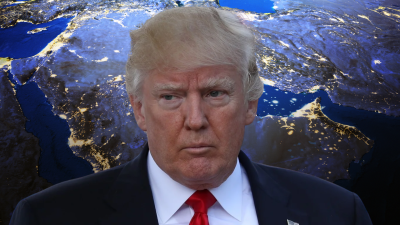
For months, President Donald Trump repeatedly pressured former Federal Reserve Chair Jerome Powell to cut interest rates. Trump’s argument was that lower borrowing costs would boost economic growth, support financial markets, and reduce financing costs for consumers and businesses.
Trump was not at all shy about criticizing Powell for not lowering rates, even resorting to name-calling. But that didn’t help his case, as Powell and the Fed stood firm with their monetary policy stance.
Powell’s argument was that the Fed’s primary responsibility is controlling inflation and preserving price stability. And he felt strongly that rate cuts were the wrong choice.
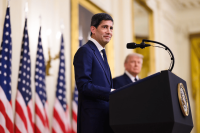
Now, with Kevin Warsh serving as Fed chair, Trump has a new opponent in that ongoing debate. And fresh inflation data could quickly intensify tensions between the White House and the central bank.
New CPI data fuels ongoing rate cut battle
The latest Consumer Price Index delivered unwelcome news for anyone hoping for imminent interest rate cuts. Inflation rose 4.2% year over year in May, up from 3.8% in April, marking a significant increase and the highest annual inflation reading in three years.
The increase is particularly notable because it reverses much of the progress policymakers had made toward bringing inflation back to the Fed’s long-term 2% target. Instead of moving lower, inflation is once again heading in the wrong direction.
There’s a reason for that. Oil supply disruptions and instability in the Middle East have pushed crude prices higher, leading to more expensive gasoline and transportation costs.
But the impact there extends far beyond the pump. Higher fuel costs increase transportation expenses for manufacturers, distributors, and retailers. When it’s more expensive for goods to work their way through the supply chain, consumers inevitably end up paying more across pretty much all spending categories.
The current environment does support rate cuts
Interest rate cuts are typically used to stimulate economic activity. But when inflation is already running high, lowering the cost of borrowing to promote spending doesn’t make economic sense.
If consumers get the green light to spend more, it’s likely to drive inflation upward even more. That’s the last thing the Fed wants.
The Fed faces a big decision in June
The Fed’s next policy meeting is slated for June 16 and 17. And during that meeting, the Fed will need to decide what it’s doing about interest rates.
At this point, a rate cut appears highly unlikely, since inflation is clearly well above the Fed’s desired 2% target. If anything, a rate hike would make more sense right now.
The most likely scenario for June, though, may be a continued pause to see how things play out. Holding rates steady gives the Fed additional time to determine whether the recent inflation surge is temporary or the beginning of a more persistent trend.
Of course, if inflation does remain elevated, there’s a good chance we’ll see at least one rate hike by the end of the year. That scenario would almost certainly frustrate Trump, who has consistently favored lower borrowing costs.
But the Fed’s goal is to maintain price stability and maximum employment. And with inflation back at 4.2%, the central bank doesn’t have much leeway to lower borrowing costs.
Contact [email protected] for any questions or corrections.
Maurie Backman has more than a decade of experience writing about financial topics, including retirement, investing, Social Security, and real estate. Her work has appeared on sites that include The Motley Fool, USA Today, U.S. News & World Report, The Washington Post, and Kiplinger.
Prior to becoming a full-time financial writer, Maurie worked in the financial industry trading distressed debt. She then changed course and spent a few years designing electronic toys. After a stint in content marketing and UX, she shifted back into writing and has since covered everything from the housing market to estate planning to Medicare.
When she's not busy writing, Maurie can be found hiking, walking her dogs, driving her kids to their various sports practices and games, and curling up with a good book. She cooks on occasion and bakes way too often.