




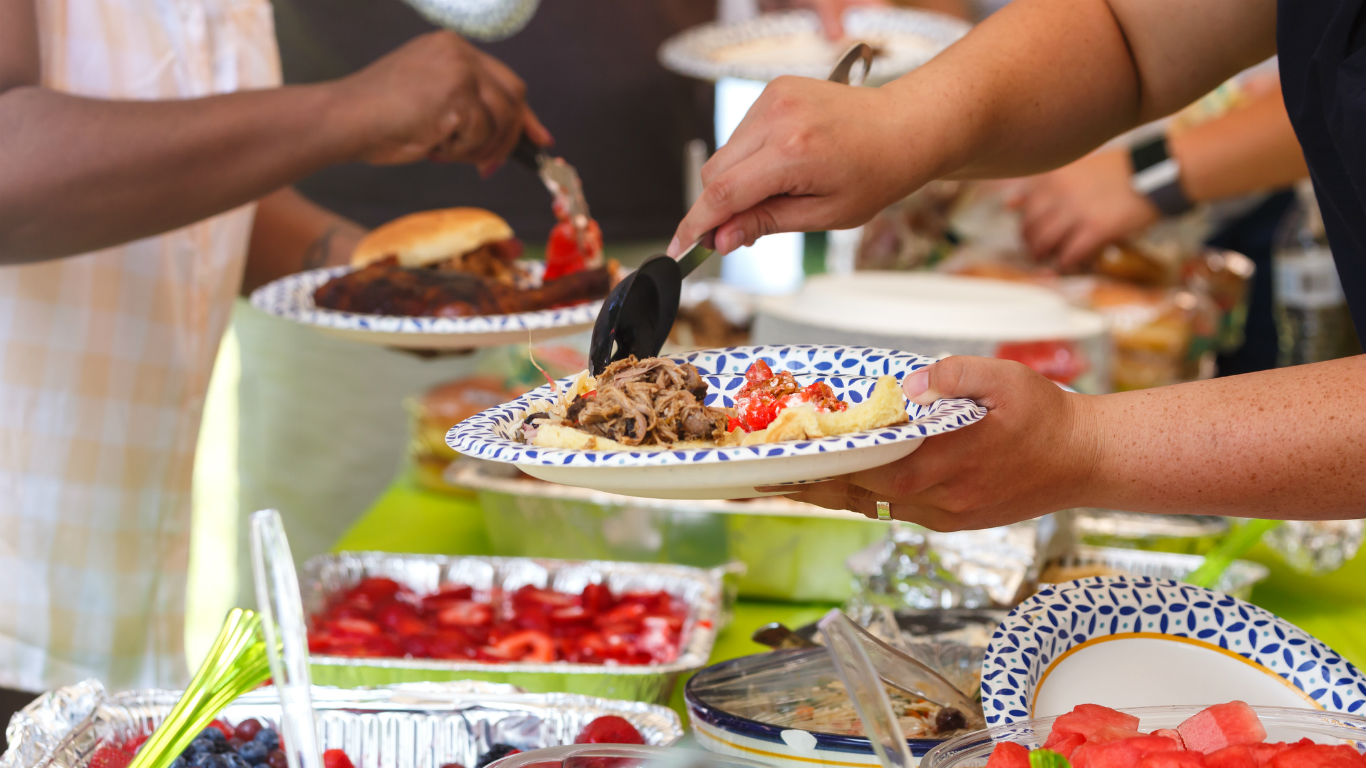
The Fourth of July cookout is supposed to be an easy meal: burgers, chicken, potato salad, lemonade, cookies, and ice cream on a paper plate. This year, even that familiar spread costs more. The American Farm Bureau Federation’s 2026 Summer Cookout Cost Survey puts the average cost of a classic Independence Day meal for 10 people at $73.82, or $7.38 per person. That is $2.90 more than last year, a 4% increase, and the highest sticker price since the survey began in 2016.
The Farm Bureau framed the increase carefully, noting that the cookout basket rose about as fast as broader inflation. The macro data backs that up. The Consumer Price Index for All Urban Consumers reached 335.123 in May 2026, up 4.2% from a year earlier, while the May PCE price index rose 4.1% year over year. Either way, the cookout bill is moving with the same inflation pressure households are seeing elsewhere.
Beef is the line item doing the damage
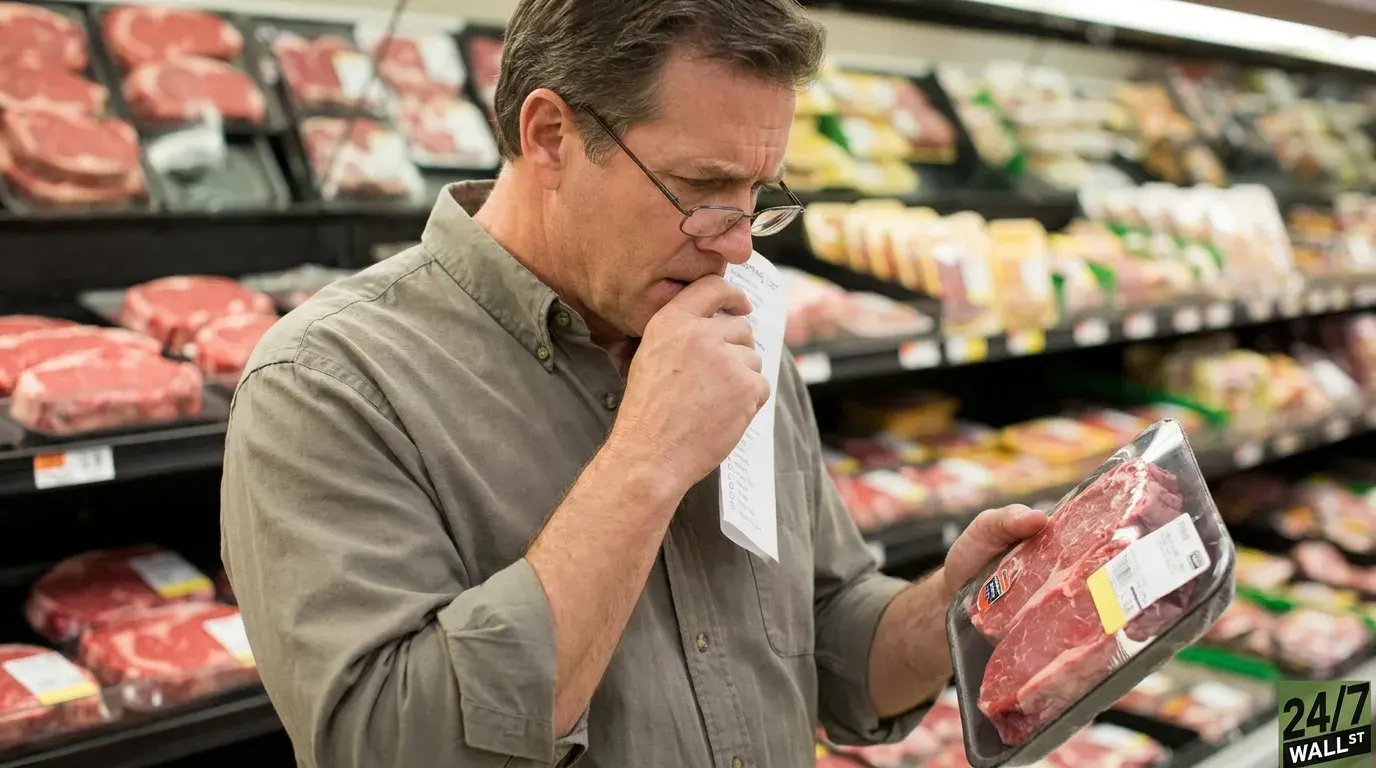
Strip the basket down and the pain concentrates in the meat aisle. In Farm Bureau’s cookout basket, two pounds of ground beef rose 5.5% to $14.06, the highest beef price recorded in the survey. Broader beef-price measures look hotter: Reuters reported that one pound of lean ground beef averaged $8.62 in May, up more than 12% from a year earlier. The pressure traces back to tight cattle supplies, with USDA’s January 2026 cattle inventory at 86.2 million head.
The supply story now has an uncomfortable subplot: New World screwworm. USDA APHIS confirmed the pest in a Texas calf on June 3, 2026, and says the larvae can burrow into the flesh of living animals, damaging livestock and creating economic losses. USDA’s screwworm status page also says all southern ports of entry are currently closed to livestock trade. That does not explain beef inflation by itself, but it adds another constraint to an already tight cattle market.
Why $7.38 a plate stings this year
A 4% cookout increase lands hard when consumers already feel squeezed. The University of Michigan consumer sentiment index fell to 44.8 in May before rebounding to 49.5 in June, still a historically weak reading. BLS reported that real average hourly earnings for all employees fell 0.7% from May 2025 to May 2026, meaning wage gains did not fully keep up with inflation over that period.
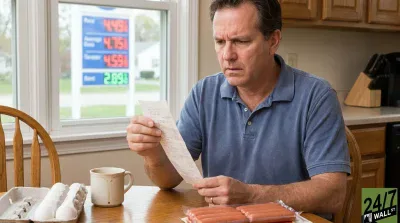
The one break for grillers is at the pump. AAA showed the national average for regular gasoline at $3.838 on July 2, down from $4.290 a month earlier and $3.918 a week earlier. That takes some sting out of the drive to the lake, but it does not cancel out higher grocery costs at the checkout line.
Watch two things after the weekend. First, whether shoppers keep paying up for beef or trade down to chicken and pork, which would signal that the demand ceiling is getting closer. Second, watch USDA APHIS updates on screwworm detections and livestock-import restrictions. If cattle supplies stay tight and border restrictions persist into the fall, next summer’s cookout could start from an even higher base.
Contact [email protected] for any questions or corrections.






 Top Gaining Stocks
 Top Losing Stocks