Stocks Soaring, Gas Falling: Inside the July 4th Economy Everyone’s Arguing About
Larry Kudlow spent the run-up to the July 4th holiday broadcasting from Washington, D.C., in front of a set dressed for the country’s 250th birthday, walking Fox Business viewers through what he framed as an economy hitting escape velocity. His…

Larry Kudlow spent the run-up to the July 4th holiday broadcasting from Washington, D.C., in front of a set dressed for the country’s 250th birthday, walking Fox Business viewers through what he framed as an economy hitting escape velocity. His guest, House Speaker Mike Johnson, arrived with a pitch for what Republicans on the Hill are calling “Reconciliation 3.0”. The backdrop was the kind of stat line politicians dream about pointing at.
Yet if you were scrolling markets on your phone during the segment, you saw two economies at once. One lives in the indexes. The other lives in the University of Michigan consumer sentiment reading, which came in at 44.8 for May 2026, a level the survey classifies as approaching recessionary. Both are true at the same time. That is the argument.
The market numbers behind the hype
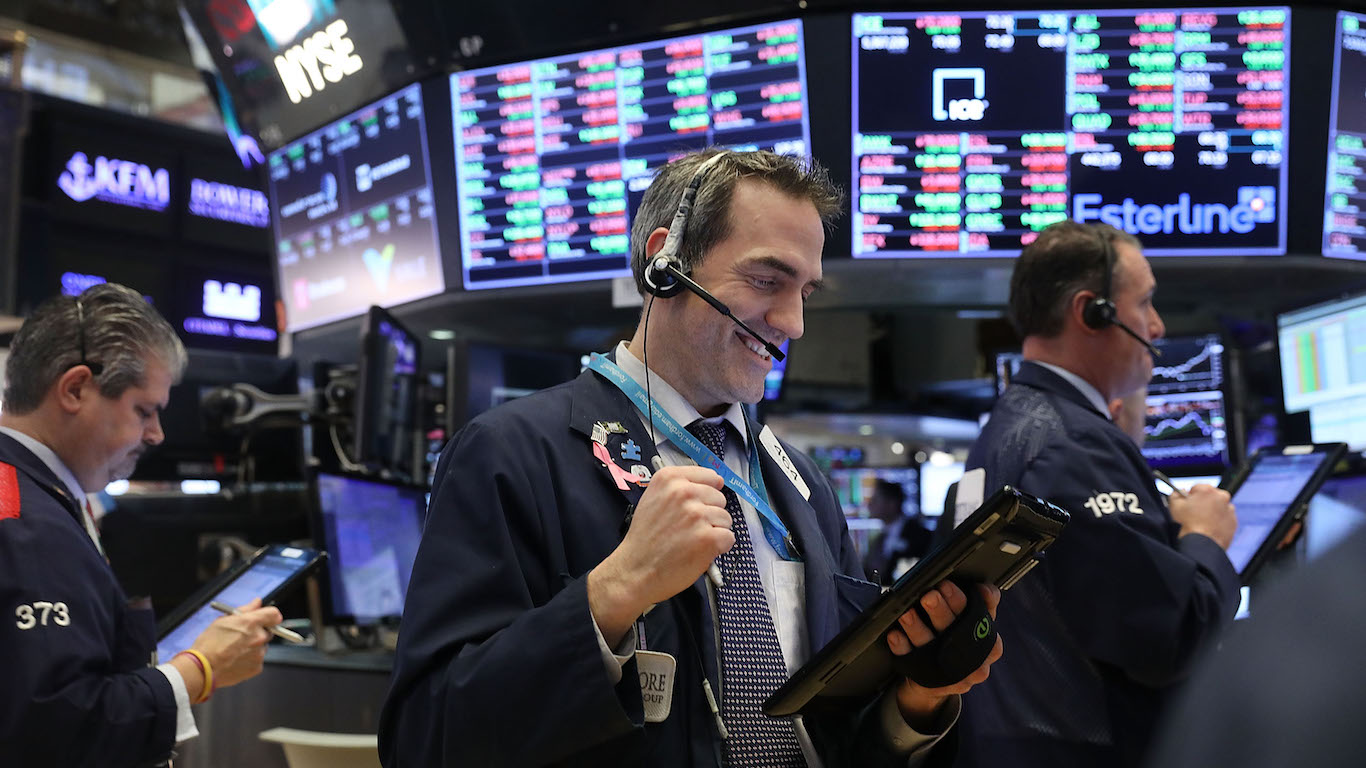
Start with what actually happened in Q2. The S&P 500 posted a 13.97% quarterly gain through June 30, and SPDR S&P 500 ETF Trust (NYSEARCA:SPY) closed the quarter around $746. The Nasdaq-100 was hotter, up 26.03% for the quarter. Small caps ripped. The Russell 2000 gained 22.05% in the first half of 2026. Kudlow described the setup as the S&P’s best quarter in six years, the Nasdaq’s best in six years, and the Russell’s best first half in 35 years, with the Dow perched above 52,000.
So the bulls have their scorecard. Now the complication. Consumer sentiment fell from 61.7 in July 2025 to 44.8 in May 2026. CPI has grinded higher, sitting at 334.0 in May 2026, up 0.5% month over month. Unemployment ticked down to 4.2% in June, still in healthy territory. Jobs and stocks say one thing. Households say something else. Both camps point at real numbers.
What “Reconciliation 3.0” could include
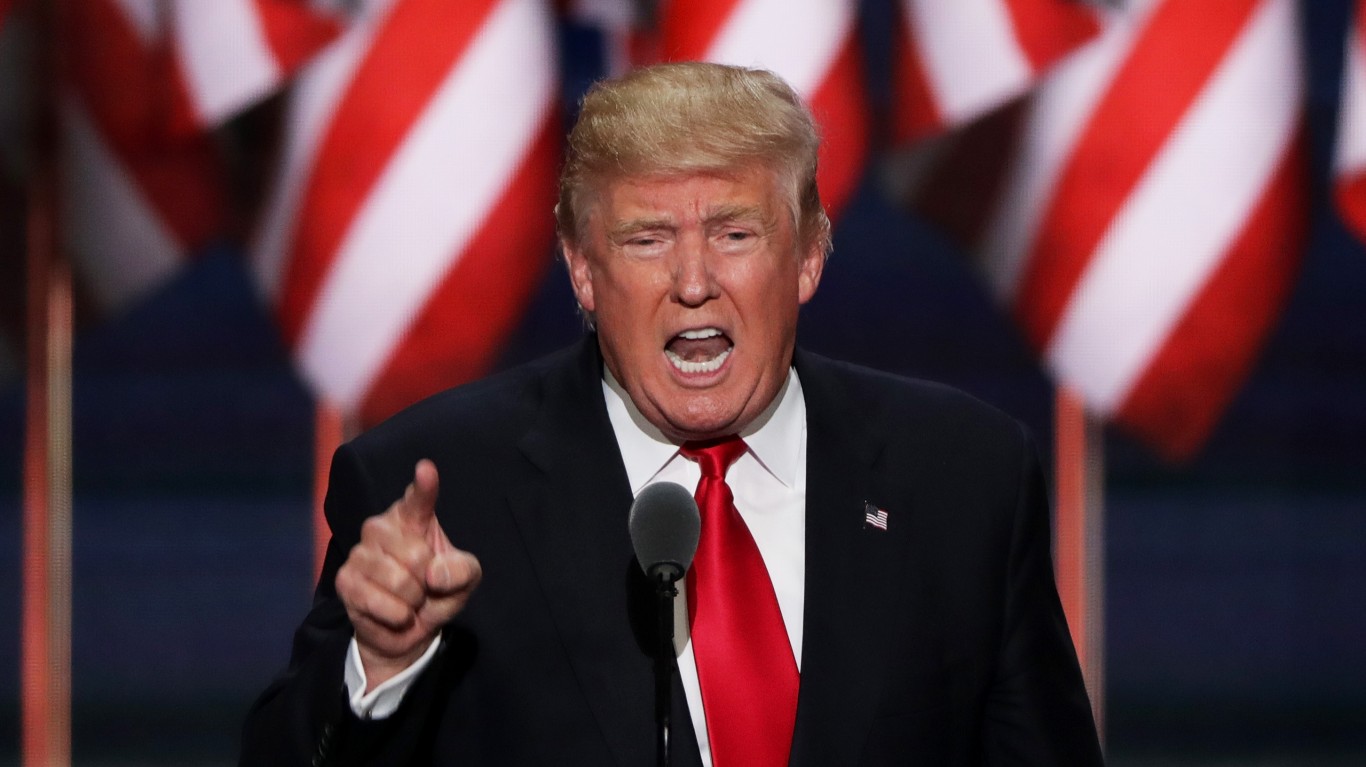
Johnson’s pitch, delivered as opinion rather than legislative text, was that Congress should ride the momentum into another budget reconciliation package. “It is not just possible. It is essential,” he told Kudlow, citing what he called Reconciliation 1.0’s pro-growth tax and regulatory cuts. He signaled that the next round “will have a combination… we will do more to enhance the economy. Talking about potentially more tax cuts there. Certainly a lot of save america the election and integrity matter.”
The framing is aspirational. House Republicans currently hold a one-vote margin, which historically means whatever gets scored, drafted and whipped tends to shrink between the press conference and the floor vote. Pollster John McLaughlin, cited on the segment, put approval for a combined middle-class tax relief and Save America voter ID package at 59%. Popular in a poll and passable in a razor-thin House are two different questions.
The oil-and-inflation bet
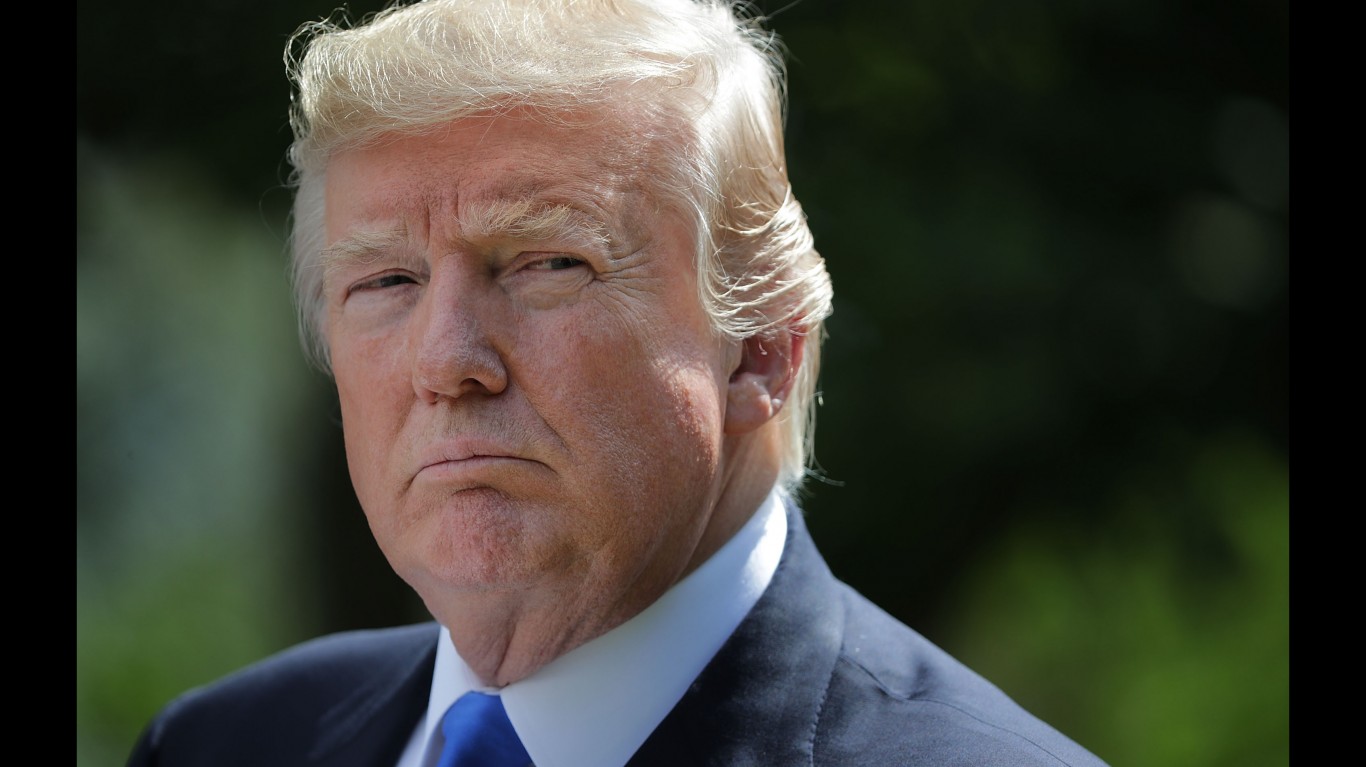
The most concrete near-term catalyst Kudlow kept returning to was energy. National average regular gasoline sat at $3.83 per gallon as of June 29, down $0.64 from a month earlier, after peaking at $4.50 on May 11 during the Strait of Hormuz disruption. President Trump, quoted in the segment, put it as “The oil prices now lower. Their retail prices of gasoline coming down rapidly.” Kudlow layered on the historical comparison, arguing “In the short run just looking at technical factors, oil prices dropping sharply will reduce the inflation… If you look at what happened under reagan, we have a huge drop in the price of oil.”
The EIA’s May 2026 Short-Term Energy Outlook tells a similar directional story with more caveats. Brent averaged $117 per barrel in April and the agency projects Brent falling toward $89 in Q4 2026 and $79 in 2027 as Middle East supply normalizes. Retail gasoline is still forecast at $3.88 for the full year 2026, which is higher than what pump-watchers remember from previous years.
For a regular investor, the read is that Q2 2026 rewarded people who stayed long through a scary spring. What comes next depends on whether gasoline keeps sliding, whether Johnson’s one-vote House can deliver a bill markets can price, and whether consumers start believing what they see on their brokerage app. Three moving parts. None settled.
Contact [email protected] for any questions or corrections.
Omor Ibne Ehsan is a writer at 24/7 Wall St. He is a self-taught investor with a focus on growth, cyclical, and dividend equities that have strong fundamentals, value, and long-term potential. He also has an interest in high-risk, high-reward investments such as penny stocks.