U.S. Refiners Are Running “Incredibly Hard.” Here’s Why Gas Prices Aren’t Falling
Crude oil has fallen sharply from its spring highs, yet many drivers are still paying far more at the pump than they were expecting. In a recent CNBC segment, Helima Croft, Head of Global Commodity Strategy at RBC Capital Markets,…


Crude oil has fallen sharply from its spring highs, yet many drivers are still paying far more at the pump than they were expecting. In a recent CNBC segment, Helima Croft, Head of Global Commodity Strategy at RBC Capital Markets, argued that tight gasoline supplies, U.S. refiners already running “incredibly hard,” and a potentially pivotal mid-August geopolitical deadline are keeping upward pressure on fuel prices.
Why Cheaper Oil Isn’t Leading To Cheaper Gas Prices
Croft’s core point is that the disconnect between wholesale crude and retail gasoline is playing out in the products market, which she says remains tighter than crude itself. Per the EIA data she cited, gasoline inventories continue to draw, meaning supply is being drawn down faster than it is being replenished, even as crude has weakened.
The reason refiners can’t simply close the gap? U.S. refiners are already running effectively at maximum capacity, according to Croft. At peak utilization, there is little slack left in the system to convert cheaper crude into more finished gasoline quickly enough to break the tightness. That is why retail gasoline prices can remain elevated even when a barrel of oil becomes cheaper.
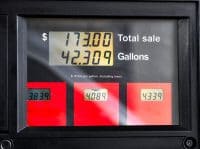
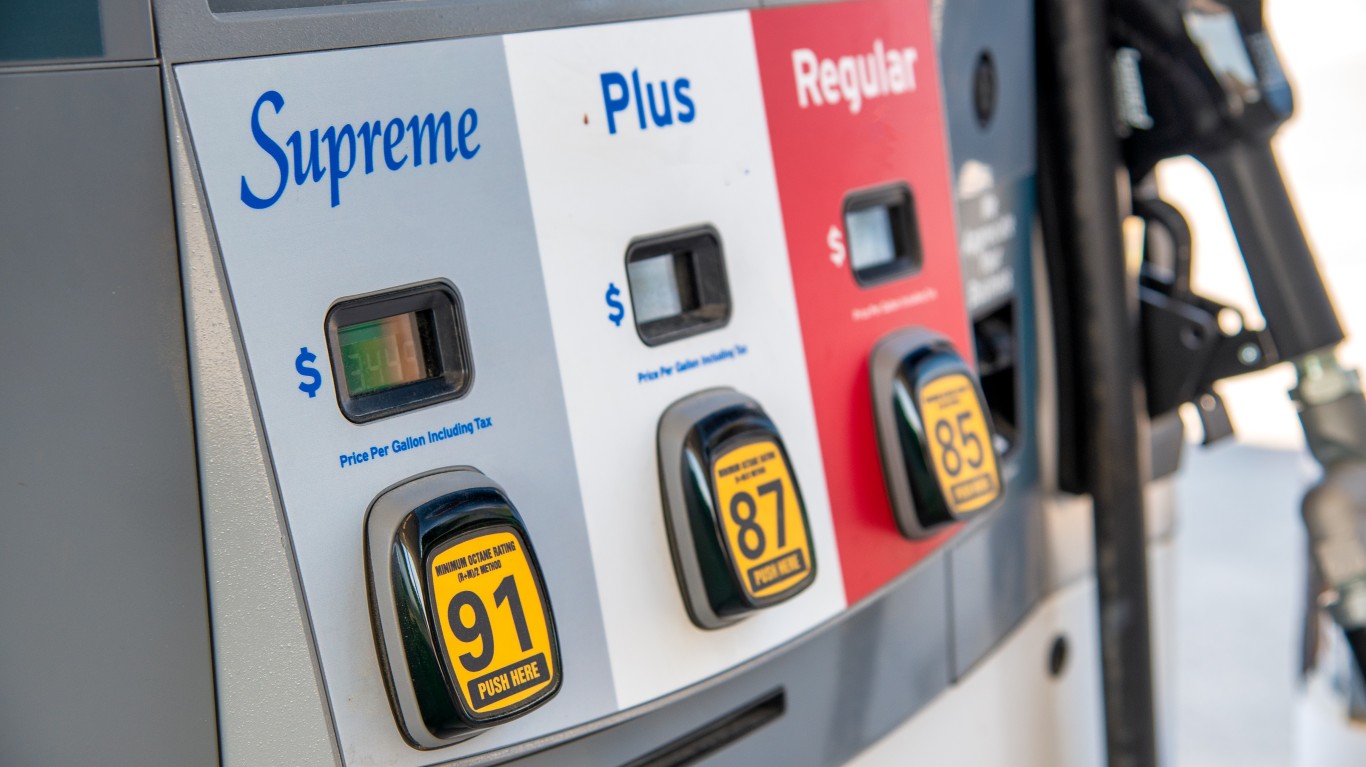
Croft noted that the average U.S. gasoline price is now $3.83 per gallon, down from $4.29 a month ago but still meaningfully higher than a year ago. Consumers are getting some relief at the pump, just far less than the move in crude would suggest.
Why Mid-August Could Decide Energy Prices
Croft flagged mid-August as an important inflection point for gasoline, crude, and natural gas prices, and she tied it to geopolitics rather than seasonal demand alone.
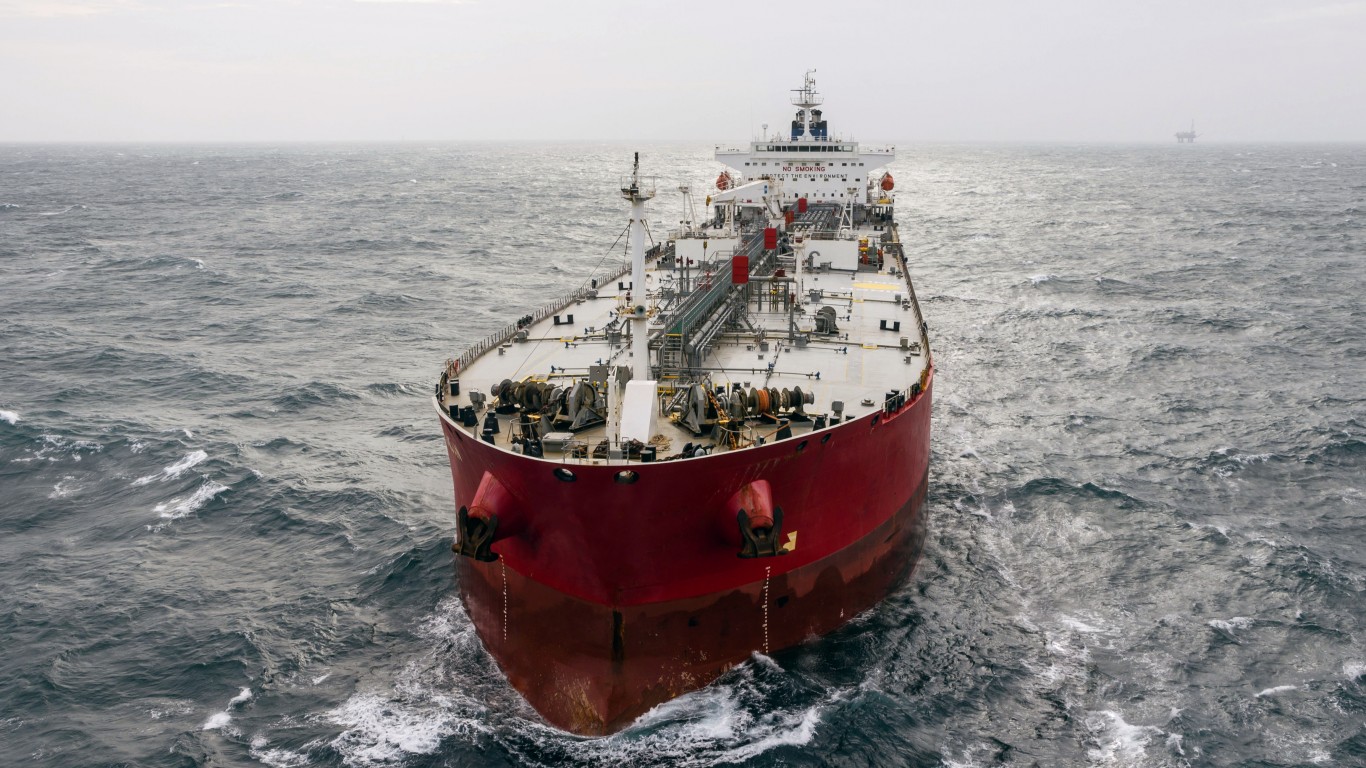
The key data point in her segment involved the Strait of Hormuz, one of the world’s most critical energy chokepoints. Since a memorandum of understanding was signed, ship traffic exiting and entering the Strait has picked up but is averaging about 40 vessels a day, well below the pre-tension pace of 100-plus a day, Croft said. Traffic has normalized somewhat, but only partially.
Her read on where negotiations are headed leans cautious. Croft said she is “more pessimistic” after meeting with Middle East energy officials, who she described as in “watch and wait” mode. She sees a real chance the nuclear negotiations get punted or rolled over rather than finalized by August, a scenario that would keep a geopolitical risk premium embedded in energy prices and, by extension, in gasoline at the pump.
What Drivers And Investors Should Watch Next
Croft’s thesis is that falling crude prices tell only part of the story. Tight gasoline inventories, refiners already operating near full capacity, and lingering geopolitical uncertainty around the Strait of Hormuz are all limiting how quickly lower oil prices reach consumers.
While she expects mid-August to be a key turning point for crude, gasoline, and natural gas markets, the outcome will largely depend on shipping activity through the Strait of Hormuz, the direction of nuclear negotiations, and whether refinery utilization and gasoline inventories begin to normalize.
Contact [email protected] for any questions or corrections.
Thomas Richmond is a financial writer and content strategist with 5+ years of experience covering stocks and financial markets. He has published over 250 articles focused on individual stock analysis, helping investors better understand business fundamentals, stock valuations, and long-term opportunities.
Thomas previously served as a Content Lead at TIKR, a stock research platform, where he helped scale the company’s blog to hundreds of articles per month and contributed to a weekly newsletter reaching more than 100,000 investors.
He specializes in breaking down complex companies into clear, actionable insights for everyday investors, with a focus on fundamentals-driven research.
His work has also been featured on platforms including Seeking Alpha and Sure Dividend.
Outside of work, Thomas enjoys weight lifting and soccer.