




Very recently, there have been more than suspicions that China has been stealing US AI secrets to build their own models, inexpensively. Several American companies, led by Anthropic, say it is so. The huge AI firm, valued at about $1 trillion, sent a letter to Senators, which appears to have settled the matter of the accuracy of the charges. Now, other analyses have confirmed that the document reflects the truth,
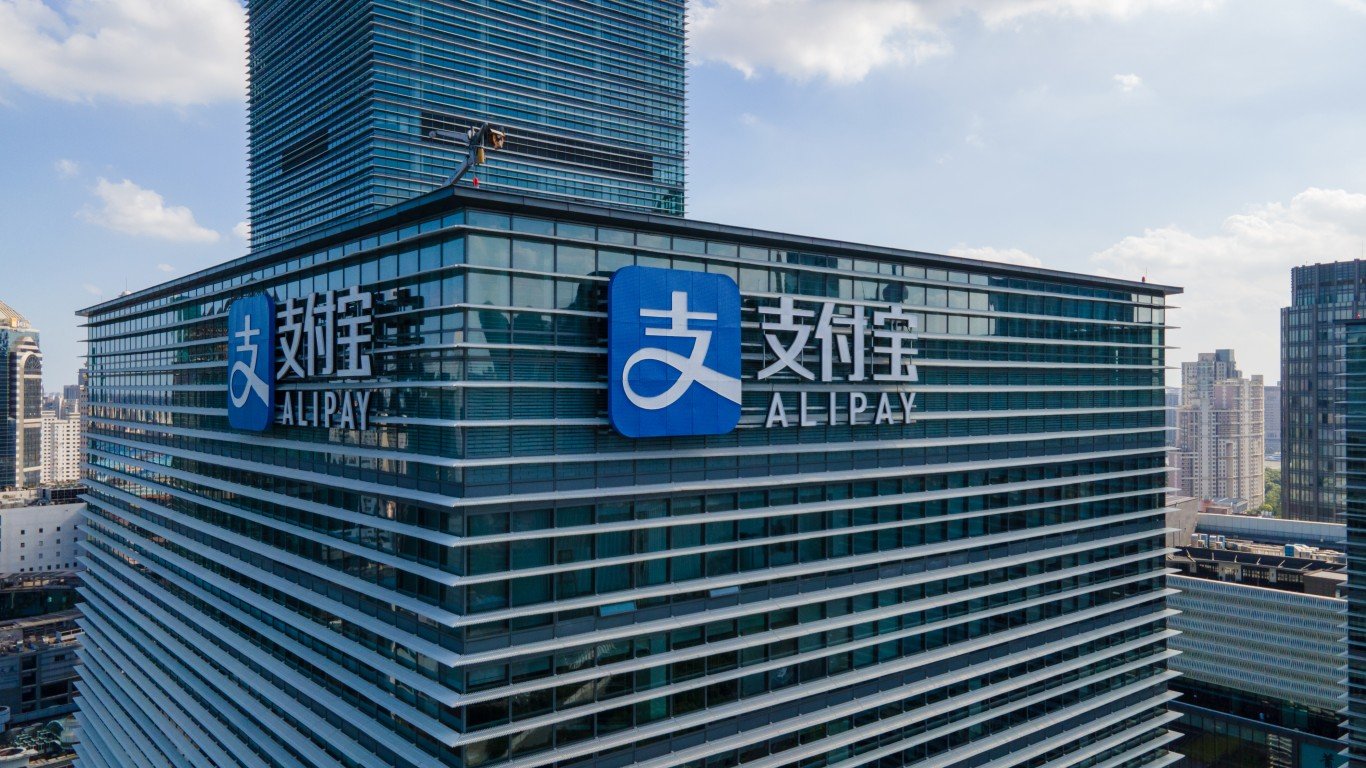
The method used by Chinese firms has been described by several experts and the media. According to The New York Times, “Like other Chinese companies, Alibaba tapped into Anthropic’s technologies through tens of thousands of unauthorized accounts, according to the letter to the Senators.” Alibaba is among the largest tech companies in China. The Chinese open thousands of AI accounts with American AI companies and then collect parts of the intellectual property. The process is called “distillation.”
The net effect is that Chinese companies can build AI software that is nearly as powerful as that of the most advanced products made in the US. (The Times points out that xAI, the artificial intelligence arm of SpaceX, may use similar tactics)
The actions are not just a way for the Chinese AI companies to catch those in the US. They are also a security risk. These models may well be a way for Chinese companies to capture other information from US tech firms.
The challenge to US AI companies has been compounded by the fact that the Chinese are making chips to rival Nvidia’s (NASDAQ: NVDA | NVDA Price Prediction). They may not be as powerful, but the Chinese government is pressing AI companies based in China to use them, which takes revenue away from Nvidia. Hygon Information Technology and Cambricon Technologies are the largest players in this sector. Bloomberg reports, “China’s drive to substitute locally made AI-semiconductors for foreign ones is making progress, which is likely to benefit domestic makers such as Huawei and Hygon.” The Bloomberg report is based on data collected from 60 Chinese tech executives.
China may be building its chips in part based on “reverse engineering.” Jensen Huang, the CEO of Nvidia, has said investors should not count on much revenue from China. Perhaps this is one of the reasons why.
Another factor in the China AI buildout is that data center construction and power generation are not the problem they are in the US. A large number of US data centers have been blocked because of their huge use of electricity and water. The Chinese government helps local AI companies with the building of their data centers and their access to energy.
The theft of US tech is not new. Microsoft (NASDAQ: MSFT) said the Chinese were pirating Windows several years ago. Because of the importance of AI, the stakes are higher.
Contact [email protected] for any questions or corrections.








 Top Gaining Stocks
 Top Losing Stocks