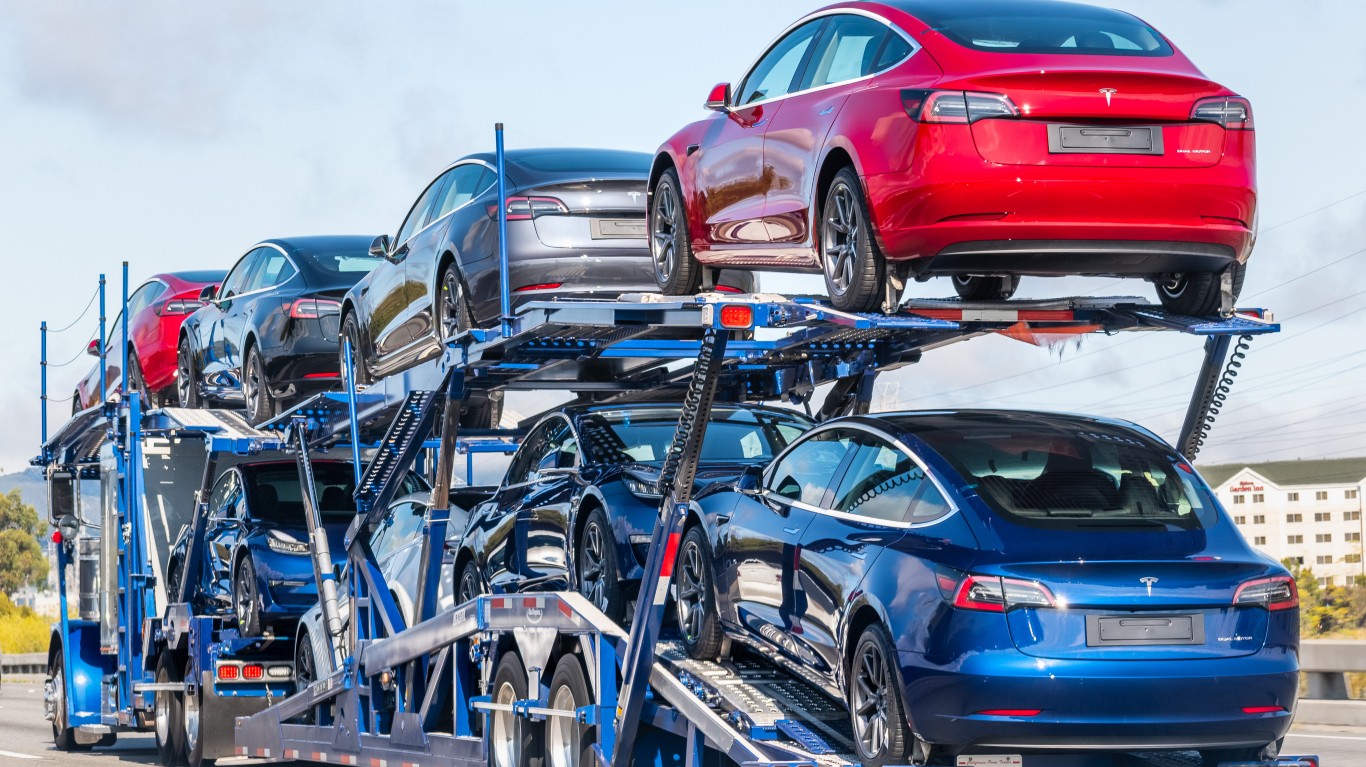
BYD Shares Rally 22% As Tesla Dives 23%
Two EV giants faced the same struggling global market over the past month and walked away with completely opposite results. The reason why tells you something unsettling about where each company is actually headed.

This post may contain links from our sponsors and affiliates, and Flywheel Publishing may receive compensation for actions taken through them.
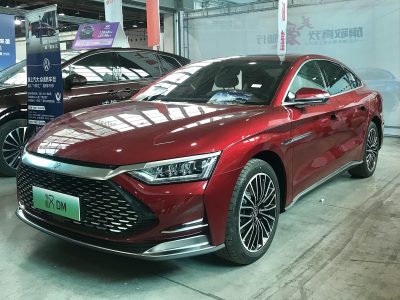
The EV business is supposed to be in trouble. U.S. sales have dropped as much as 20% in the first half of the year. Sales in China, the world’s EV capital, dropped 13% in the first half to 4.73 million. The only large market where EVs are doing very well is the EU. And, as is the case with China, the number of competitors is large, which means a battle for market share.
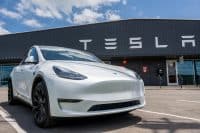
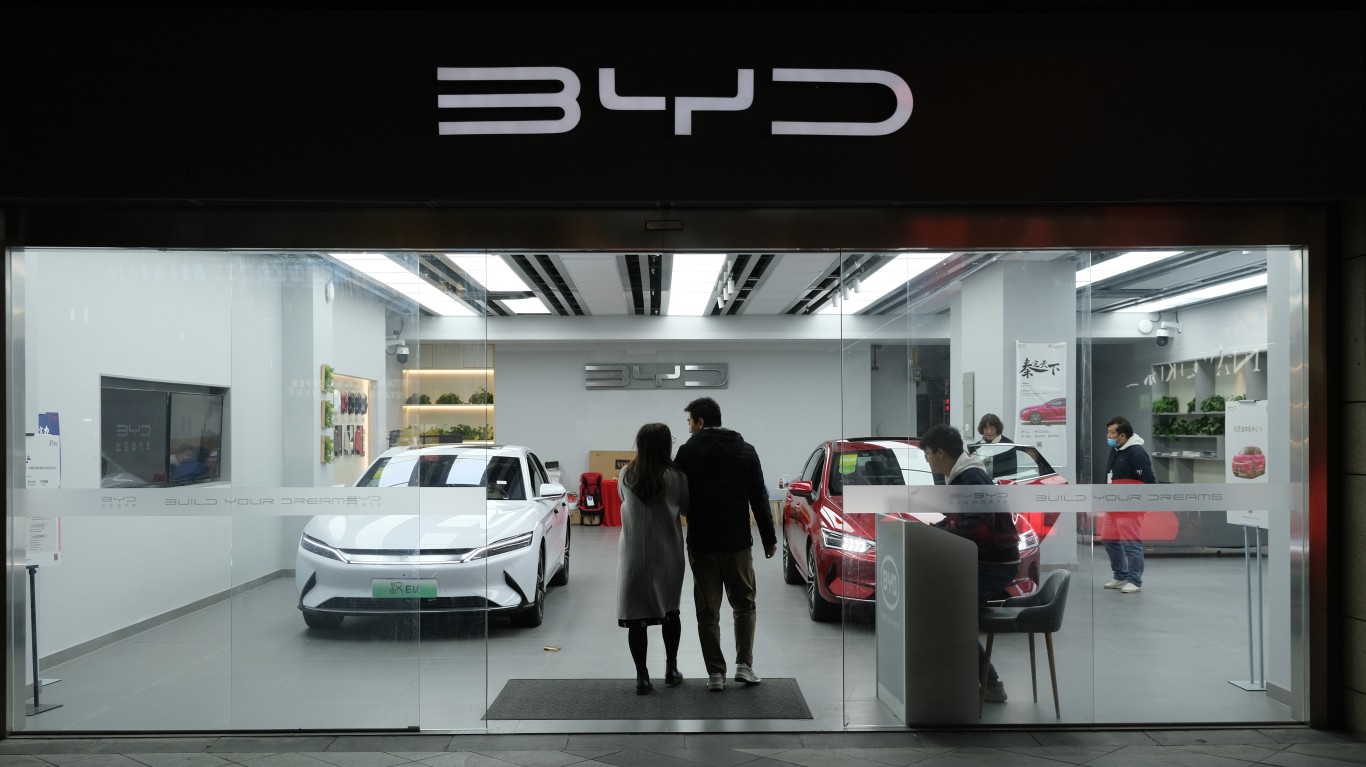
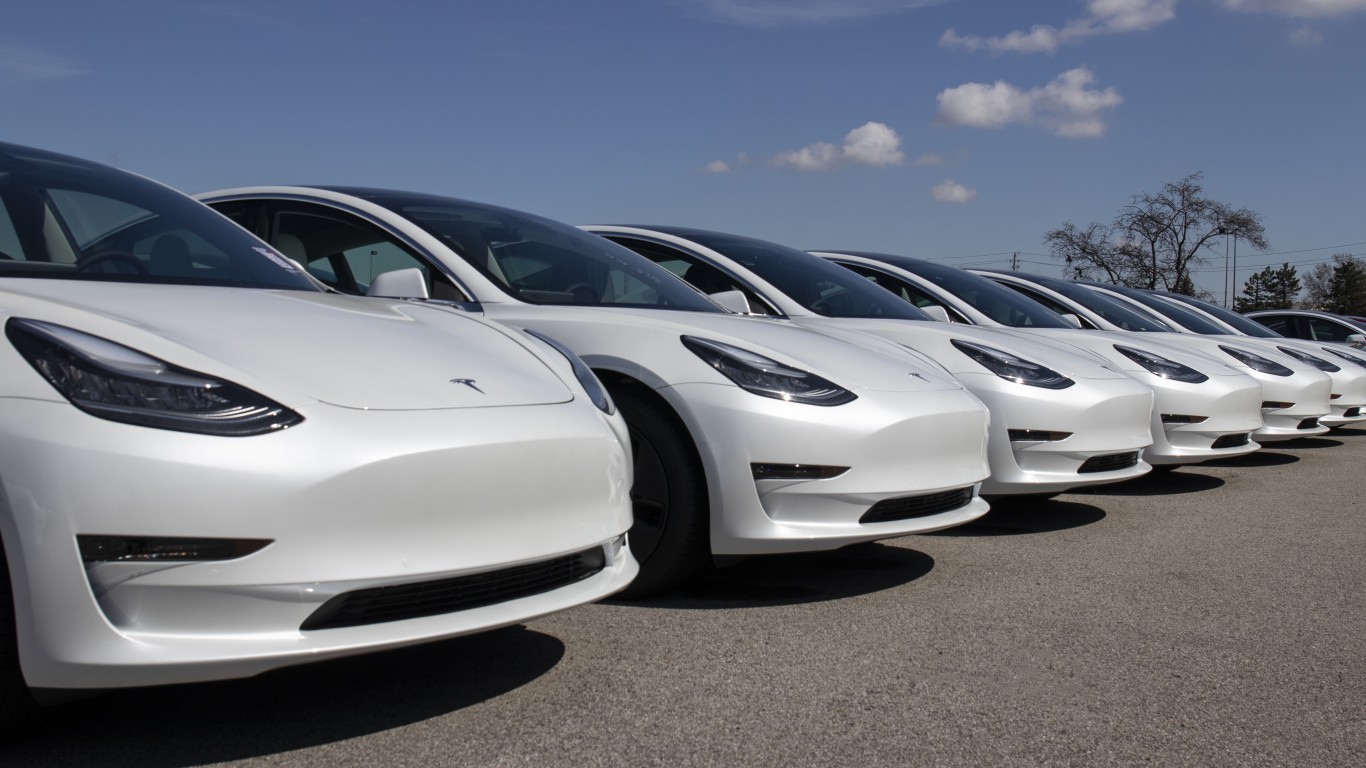
What has become clear in the last month is that the two most visible EV companies have taken different paths. BYD, based in China and the largest EV company in the world, has a stock that has risen 22% during the last month. Tesla’s (NASDAQ: TSLA | TSLA Price Prediction) shares are down 23% over the same period. If the theory is true that the market forecasts a company’s fortunes a year down the road, Tesla’s struggles will continue.
BYD still fights with one hand behind its back. It cannot sell cars in the US because of tariffs. It remains the top-selling EV company in China. However, there are dozens of small competitors, which means pricing pressure. Those small firms desperate to stay in business have little more to boost sales than price cuts.
BYD can make the case that it has cracked the EU market. Registrations of the brand rose 168% in the first half to 130,743. Tesla’s comparable number was an increase of 75% to 124,242. At least Tesla reversed its troubled sales in 2025.
So, what is the problem? There are two. Tesla rules the U.S. EV sector. Fossil fuel challengers like Ford (NYSE: F) and GM (NYSE: GM) have largely left the market. That should fuel market share growth for Elon Musk’s company. However, just offstage is anxiety among investors that at some point, some US President will drop tariffs, probably as part of a larger trade deal with China. The market will be inundated with Chinese EV products. And, without tariffs, BYD could have a significant price advantage.
At the core of the price difference, however, is Elon Musk’s claims that Tesla is an AI and robotics company. Quarter after quarter, signs of that do not appear, and mesmerized shareholders become a little more skeptical. Robotics is far off, and the AI sector is so crowded that it is like an overfull elevator.
BYD shares are up because it is an EV company that can be tracked based on its success in the EV sector. The valuation of Tesla is much more confusing, and that has hurt it.
Contact [email protected] for any questions or corrections.
Douglas A. McIntyre is the co-founder, chief executive officer and editor in chief of 24/7 Wall St. and 24/7 Tempo. He has held these jobs since 2006.
McIntyre has written thousands of articles for 24/7 Wall St. He is an expert on corporate finance, the automotive industry, media companies and international finance. He has edited articles on national demographics, sports, personal income and travel.
His work has been quoted or mentioned in The New York Times, The Wall Street Journal, Los Angeles Times, The Washington Post, NBC News, Time, The New Yorker, HuffPost USA Today, Business Insider, Yahoo, AOL, MarketWatch, The Atlantic, Bloomberg, New York Post, Chicago Tribune, Forbes, The Guardian and many other major publications. McIntyre has been a guest on CNBC, the BBC and television and radio stations across the country.
A magna cum laude graduate of Harvard College, McIntyre also was president of The Harvard Advocate. Founded in 1866, the Advocate is the oldest college publication in the United States.
TheStreet.com, Comps.com and Edgar Online are some of the public companies for which McIntyre served on the board of directors. He was a Vicinity Corporation board member when the company was sold to Microsoft in 2002. He served on the audit committees of some of these companies.
McIntyre has been the CEO of FutureSource, a provider of trading terminals and news to commodities and futures traders. He was president of Switchboard, the online phone directory company. He served as chairman and CEO of On2 Technologies, the video compression company that provided video compression software for Adobe’s Flash. Google bought On2 in 2009.