Jim Cramer Says Tim Cook Built Something No Other CEO Has: A Device People Think Is Their Friend
Jim Cramer credits Tim Cook with pulling off something no hardware company has managed before, and the financial case he makes reframes why Apple's valuation looks less like a tech stock and more like something stranger.

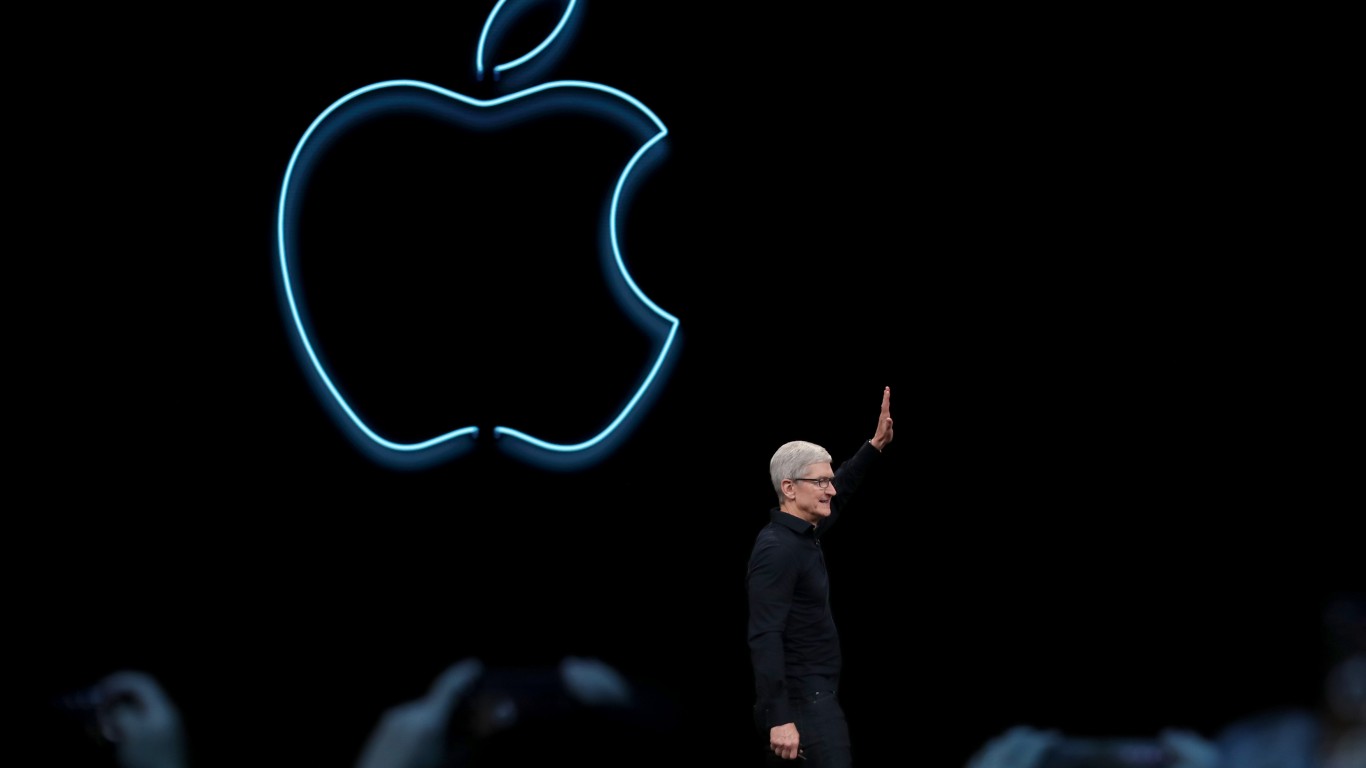
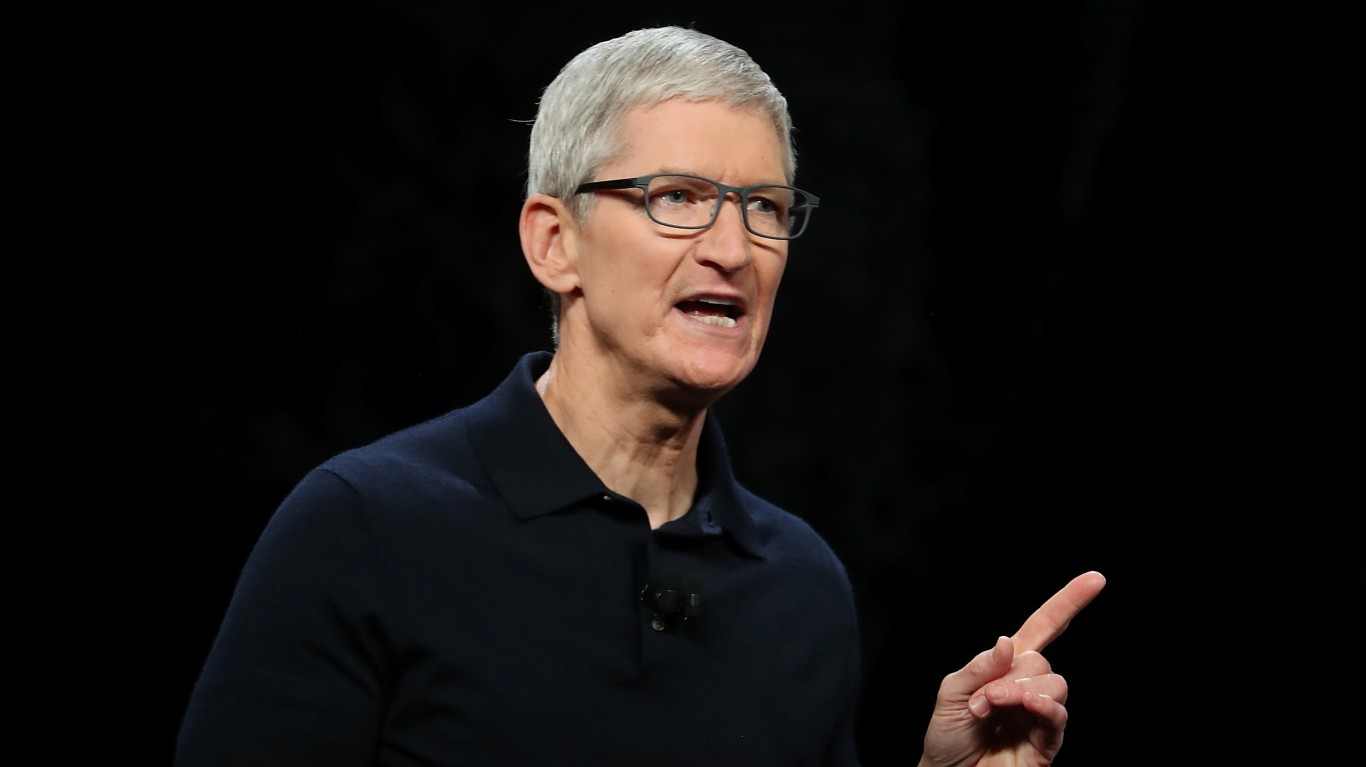
Jim Cramer singled out Tim Cook on a recent Mad Money episode for achieving something rare in modern business: building a company whose products people treat as personal companions rather than consumer electronics.
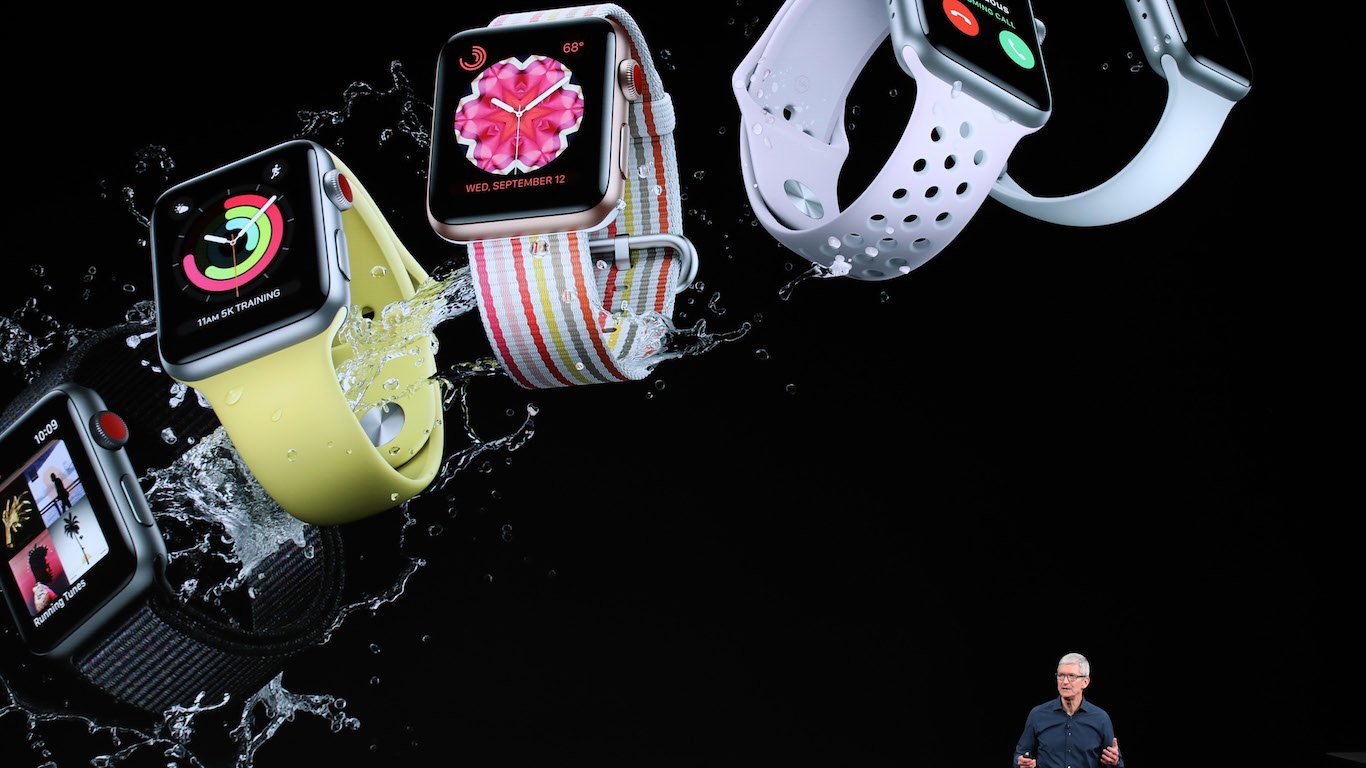
“He built the greatest consumer-based enterprise in history,” Cramer said, reflecting on Cook’s tenure as Apple heads into a leadership transition. Cook will hand the CEO role to hardware engineering chief John Ternus in September, stepping into an executive chairman position. Cramer’s commentary came in response to Cook’s farewell letter, in which the outgoing CEO described starting his mornings reading customer emails. Cook cited messages about the Apple Watch saving lives, writing: “In every one of those emails, I feel the beating heart of our shared humanity.”
That philosophy separates Apple from every other hardware company and explains a valuation premium Wall Street once reserved for enterprise software. When Cook took over in 2011, Apple’s stock traded at a price-to-earnings multiple in the low-to-mid teens. Today it commands a multiple closer to 30 times forward earnings, a level historically associated with high-margin software businesses.
The Numbers Behind the “Friend Device” Thesis
Apple (NASDAQ:AAPL | AAPL Price Prediction) has the financial results to back Cramer’s framing. In Q3 2026, the company posted revenue of $109.42 billion, above analyst estimates of $109.04 billion, and EPS of $2.02, which beat analysts’ consensus estimates of $1.89 by 13 cents.
The installed base tells the same story at scale. Apple’s active device count is now above 2.5 billion, an all-time high. Cook called it “a testament to incredible customer satisfaction.” That base generates the Services flywheel: more devices mean more subscribers, which means more recurring, high-margin revenue, which funds the next hardware cycle.
Cramer also made a pointed valuation observation. Enterprise software companies command premium multiples because their customers are contractually sticky. Apple has achieved the same stickiness through emotional attachment rather than contracts. The result: a trailing P/E of 35x and a forward P/E of 34.87x, with 21 analysts rating the a Buy versus just four Sell ratings. The consensus analyst price target sits at $328.60, more than 7% above the current price of $305.48.
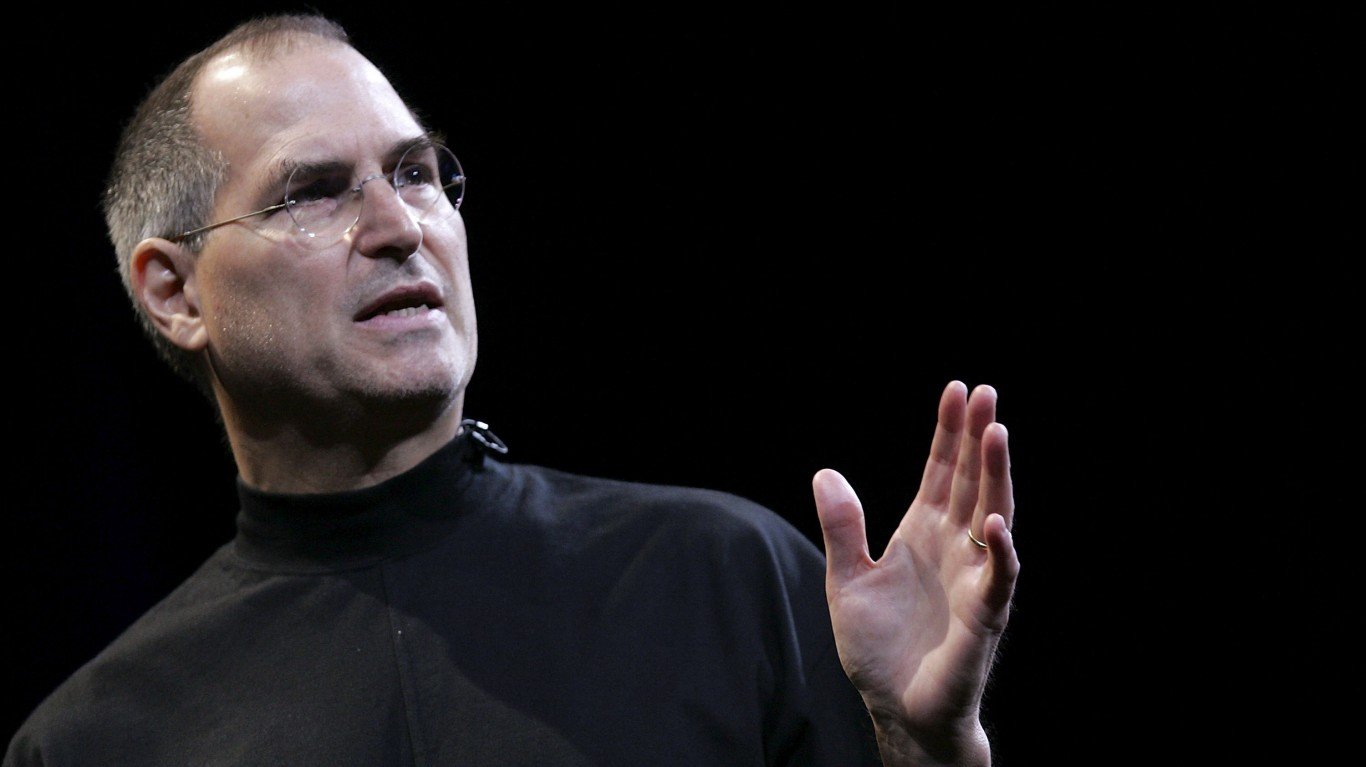
The market’s reaction to Cook’s exit reinforces Cramer’s point. When Steve Jobs stepped down in 2011, Apple shares dropped sharply. This time, the stock has been largely steady. Investors appear to believe the brand Cook built is bigger than any single leader. The CNBC article covering Cook’s legacy noted his stock increased roughly 1,900% during his tenure, a figure that reflects both operational discipline and the durable consumer relationships Cramer described.
For investors, the key question heading into the Ternus era is whether that emotional loyalty transfers. The full fiscal year 2025 delivered $416.16 billion in revenue and $112.01 billion in net income, a foundation that gives the next CEO considerable runway. The most recent SEC filing details the full financial picture for investors who want to dig deeper.
Contact [email protected] for any questions or corrections.
Joel South covers large-cap stocks, dividend investing, and major market trends, with a focus on earnings analysis, valuation, and turning complex data into actionable insights for investors.
He brings more than 15 years of experience as an investor and financial journalist, including 12 years at The Motley Fool, where he served as an investment analyst, Bureau Chief, and later led the Fool.com investing news desk. He has also co-hosted an investing podcast and appeared across TV and radio discussing market trends.