The 30-Year Treasury Hits a 19-Year High. Here’s What Is Spooking the Bond Market
The 30-year Treasury just hit a level not seen in nearly two decades, and the culprit is not inflation or Fed rate hikes. Four separate forces are converging at once, and bond markets are signaling that none of them are…


The long bond broke through on Tuesday. The 30-year Treasury yield touched 5.323% intraday, its highest level since 2007, before easing back to roughly 5.282%, down about 2 basis points on the day. The intraday peak matters more than the close. It confirms a multi-week grind higher that has taken the long bond up more than 40 basis points since its late-June low, even as the Federal Reserve sits on its hands and inflation data comes in soft.
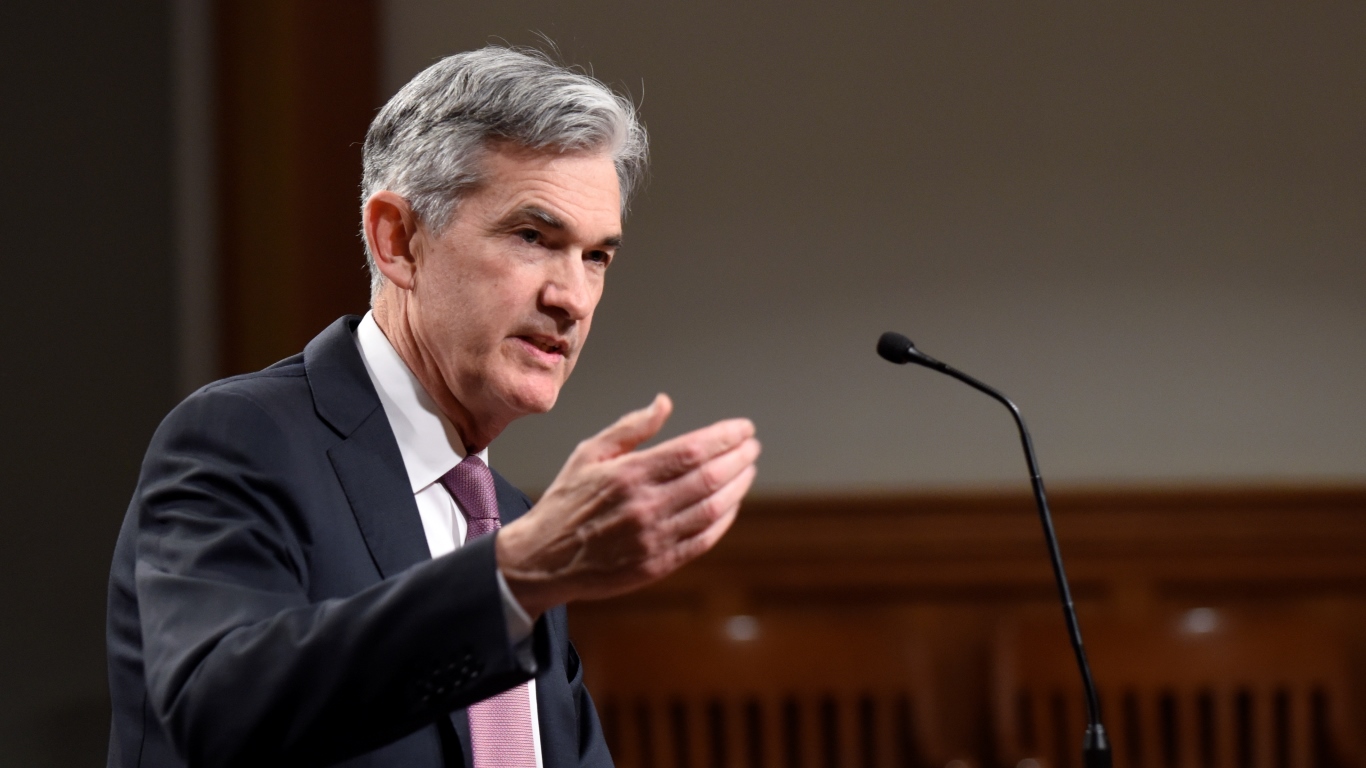
This is a term premium story. The 2-year Treasury closed Monday at 4.19% and traded near 4.17% Tuesday. The short end is tethered because Chair Kevin Warsh has held the federal funds target at 3.50%-3.75% all year. The long end is moving on its own. Term premium is the extra yield investors demand to lend for 30 years instead of rolling short paper: compensation for inflation uncertainty, duration risk, supply, and the fiscal picture. All four knobs are turning the wrong way at once.
Why Now
The July budget deficit hit $432.3 billion, the widest single month since March 2021. The year-to-date shortfall is near $1.8 trillion, tracking toward a $2 trillion full-year deficit for the fiscal year ending September 30. Total government debt sits just under $40 trillion. Someone has to buy that paper, and the price of persuading them is rising.
Corporate borrowers compete for the same dollar. US companies have issued nearly $1.7 trillion in bonds so far this year, up 27% year over year and more than all of 2025 combined, per SIFMA, much of it funding AI infrastructure. Ian Lyngen, head of US rates strategy at BMO Capital Markets: “On top of concerns about the growth of government debt, a record pace of corporate bond issuance has added substantial duration supply to U.S. fixed income markets, with consequences for the outright level of yields as well as the shape of the yield curve and term premium.”
Oil is another factor. WTI crude closed at $84.77 on August 11, up 9.6% in a week and 17% in a month, as the US-Iran 60-day peace deadline expired Monday with Iran ruling out an extension. Deutsche Bank’s Jim Reid noted there was no single trigger, but “investors priced in a more extended closure of the Strait of Hormuz.”
Inflation itself remains contained. July headline CPI ran 3.4% annual, but core CPI held at 2.5%, essentially where it sat before the Iran war began in late February. Import prices actually fell 0.4% in July against expectations of a 0.1% gain. Anshul Pradhan, head of US rates research at Barclays Capital: “These are not new forces, and the rise in long-term yields has been gradual rather than sudden. What is notable today is not the existence of these pressures, but that they appear strong enough to overwhelm individual soft-data releases. Three independent releases argued for lower yields this month; long end yields moved higher anyway.”
The move is global, reinforcing the term-premium reading. Japan’s 10-year yield hit a 30-year high, Germany’s 30-year reached its highest since 2011, France’s 30-year touched a post-2008 high, and UK gilt yields advanced. Global capital is repricing sovereign duration across major economies.
What to Watch
The Warsh Fed has been deliberately opaque about the path forward. Futures show little chance of a hike in September and no high probability of an increase until December. Markets are pricing potential increases. For anyone holding a long-dated bond fund, making a mortgage decision, or tilted toward richly valued growth stocks, the arithmetic is uncomfortable. Higher mortgage rates, higher corporate financing costs, and a fatter federal interest bill all flow from a 5.30% long bond. The signal to watch is next month’s 30-year auction. Weak demand at that clearing yield is how term premium stops being an abstraction.
Contact [email protected] for any questions or corrections.
Joel South covers large-cap stocks, dividend investing, and major market trends, with a focus on earnings analysis, valuation, and turning complex data into actionable insights for investors.
He brings more than 15 years of experience as an investor and financial journalist, including 12 years at The Motley Fool, where he served as an investment analyst, Bureau Chief, and later led the Fool.com investing news desk. He has also co-hosted an investing podcast and appeared across TV and radio discussing market trends.