Three Cracks in Consumer Spending Reveal Why Walmart Had Its Worst Day Since 2022 Despite an Earnings Beat
Walmart beat on revenue and earnings, then watched its stock post the worst single-session drop in three years. The numbers underneath the headline suggest the problem has less to do with Walmart and far more to do with the shoppers…

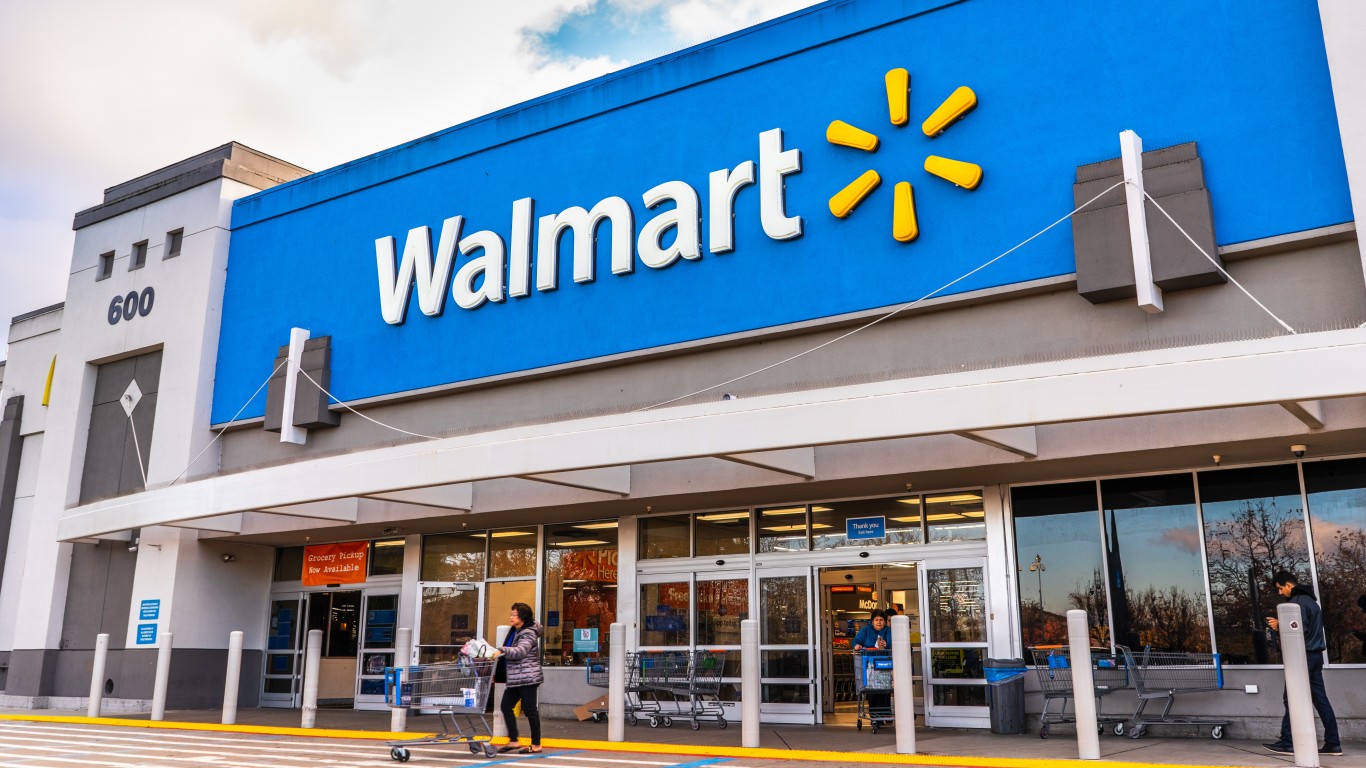
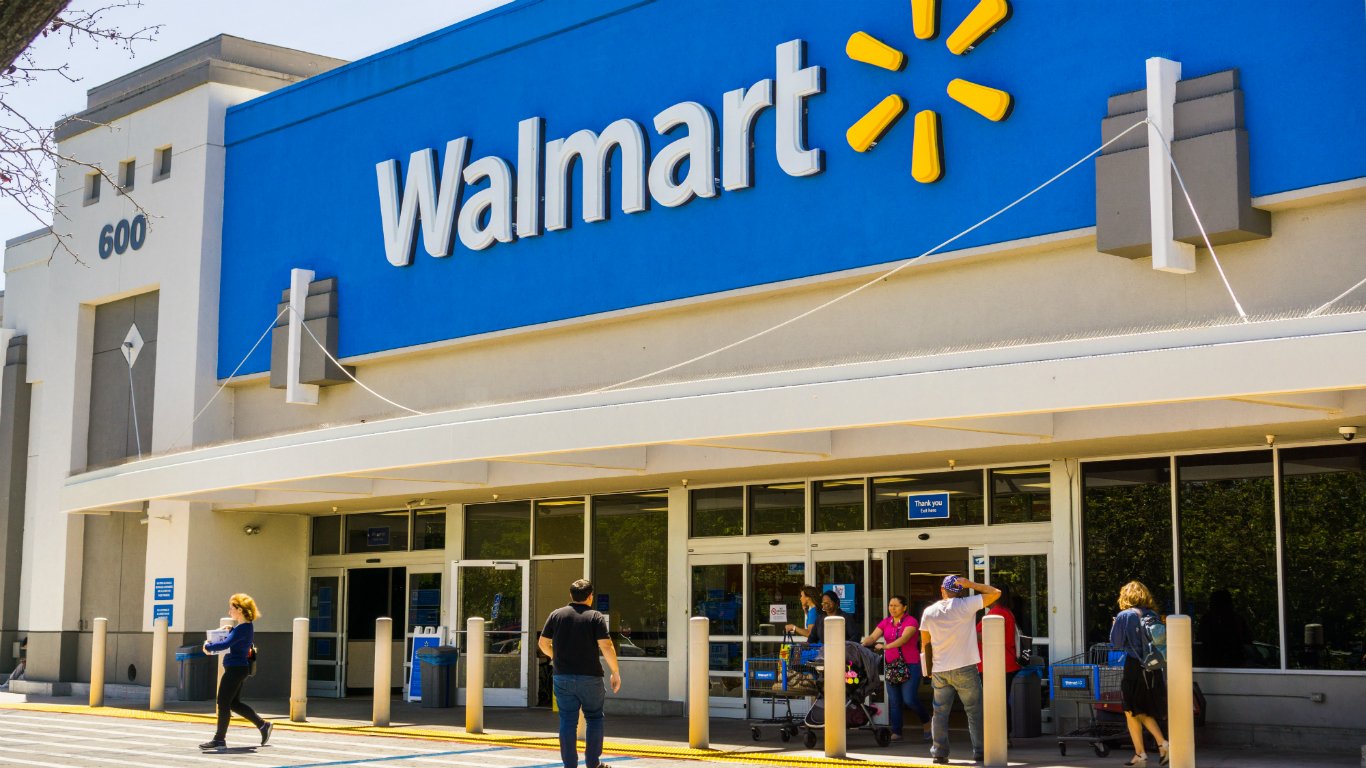
Walmart did what it was supposed to do last Thursday. Walmart (NYSE:WMT | WMT Price Prediction) posted revenue of $187.9 billion versus $186.8 billion expected, growth of 5.94% year over year, and adjusted EPS of $0.81 versus $0.7413 expected. Both lines cleared the bar. The stock still had its worst single session since 2022.
Shares fell from a $114.03 close on August 19 to $103.59 on August 20, a 9.15% one-day drop, and finished the week at $103.70 on Friday, August 21. Walmart is down 6.33% year to date and up 6.75% over the past year. The market used Walmart’s numbers to re-read the consumer.

Crack One: Comps Decelerated Sharply
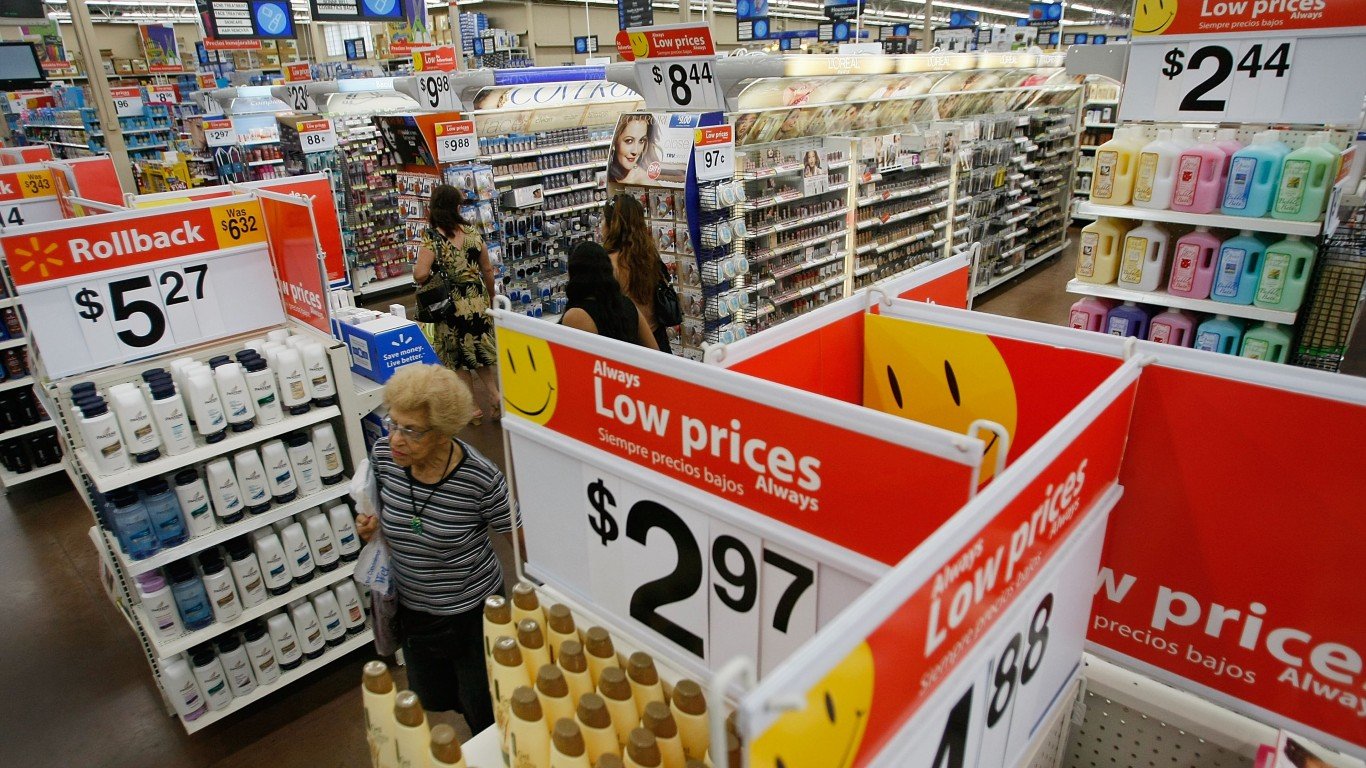
Walmart U.S. comparable sales grew 2.6%, led by transactions, down from 4.8% in the year-ago quarter. The Wall Street Journal characterized this as Walmart’s weakest sales growth in over six years. In plain language: the same stores are ringing up more visits but a much smaller top-line gain. When the country’s largest retailer decelerates that hard, it is telling you something about the shopper.
Crack Two: Walmart Itself Guided the Quarter Lower
Third-quarter revenue guidance came in at $185.6 billion at the midpoint versus $188.3 billion expected, roughly 1.4% light. Constant-currency operating-income growth is guided to just 2.0% to 4.0%, versus 28.78% operating-income growth this quarter. Management even asked investors to evaluate the second and third quarters together because tariff-refund benefits are being reinvested into price. The company is planning around that softness, not just observing it in the rearview.

Crack Three: Shoppers Are Trading Down at the Pump
CFO John David Rainey said the company saw “some incremental pressure on the consumer relative to the beginning of the year with higher fuel prices,” adding that “June was a little more obvious as we look at the quarter in terms of customers making tradeoffs.” He was blunt about the mechanism:
“You can tell when fuel prices increase and got above $4 and perhaps there’s a psychological impact to that, that there are choices that consumers are making.”
Regular gas averaged $4.05 per gallon on August 17, 2026, and Walmart flagged more than $2 billion of incremental fuel-related costs this year versus its February plan.
Walmart Problem, or Consumer Problem?
Global eCommerce grew 23%, marketplace sales rose 52%, and Walmart+ hit record Q2 net additions. The engine is intact. What broke Thursday was the story that Walmart could keep compounding regardless of the household budget. The Dow fell 704 points that session, with coverage attributing the decline primarily to surging Treasury yields and oil prices. Walmart was a passenger in that session.
This reads as a consumer problem showing up first at the country’s biggest register. What to watch next: the Q3 comparable-sales report. If it does not reaccelerate above 2.6% once price investments hit shelves, the crack becomes the story.
Contact [email protected] for any questions or corrections.
Don Lair writes about options income, dividend strategy, and the kind of boring-but-durable investing that actually funds retirement. He's the founder of FITools.com, an independent contributor to 24/7 Wall St., and a former writer for The Motley Fool.