Trump’s ‘Biggest Oil Deal in World History’ Just Created a New Energy Giant — And Wall Street Completely Missed It
Washington just handed 100-year control of the world's largest proven oil reserves to a private company most investors have never heard of, and the structure of the deal locks retail traders out completely.

The energy market is being reshaped by more than oil prices. Governments are increasingly treating reliable energy supplies as strategic assets, particularly after years of geopolitical disruptions and underinvestment.
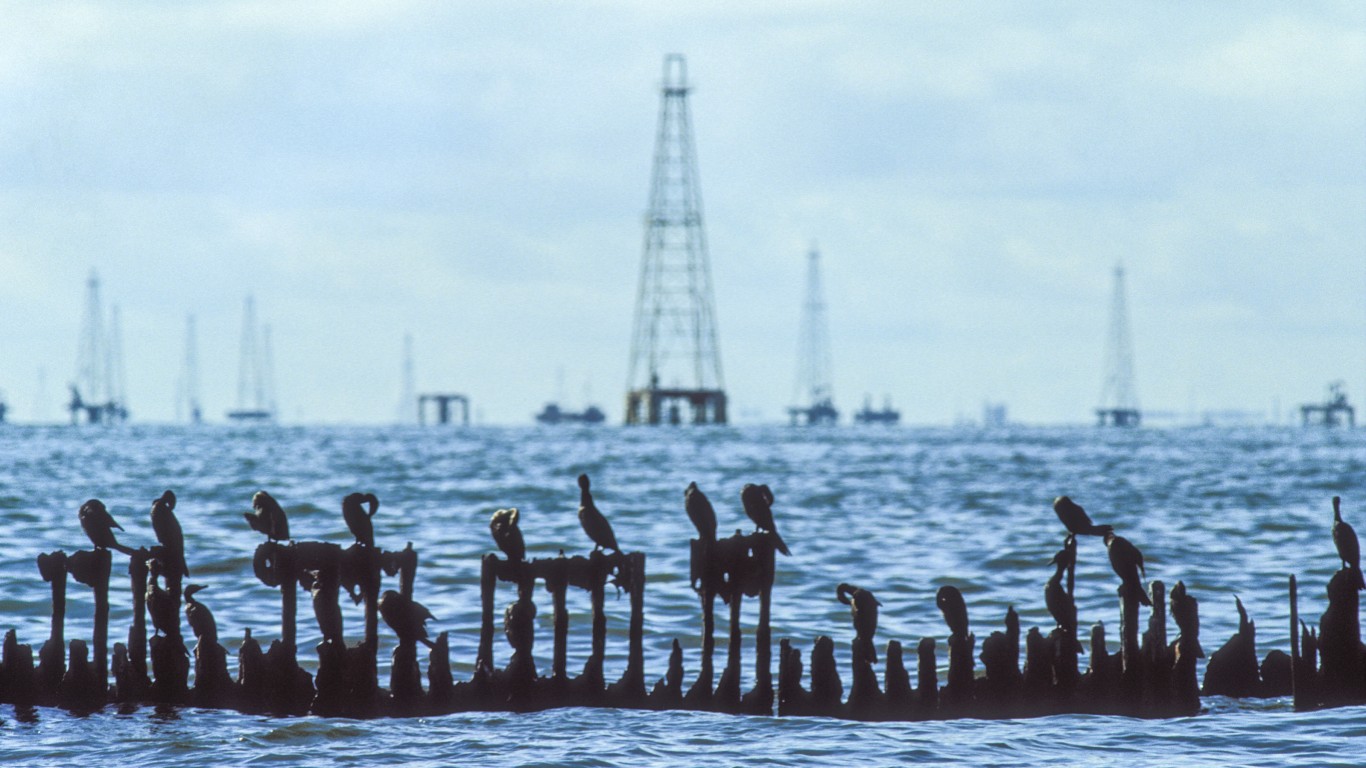
Venezuela sits at the center of that shift with the world’s largest proven crude reserves, yet much of its oil infrastructure remains badly underdeveloped. Now the Trump administration says it has found a way to put those reserves back to work — without buying them outright.
The surprising part isn’t just the 65 billion barrels involved. It’s the company Washington chose to operate them.
Meet Venezuela’s New Oil Giant
The White House says Venezuela has granted privately-held North American Blue Energy Partners, or NABEP, 100-year concessions covering 17 oil fields containing approximately 65 billion barrels of proven reserves.
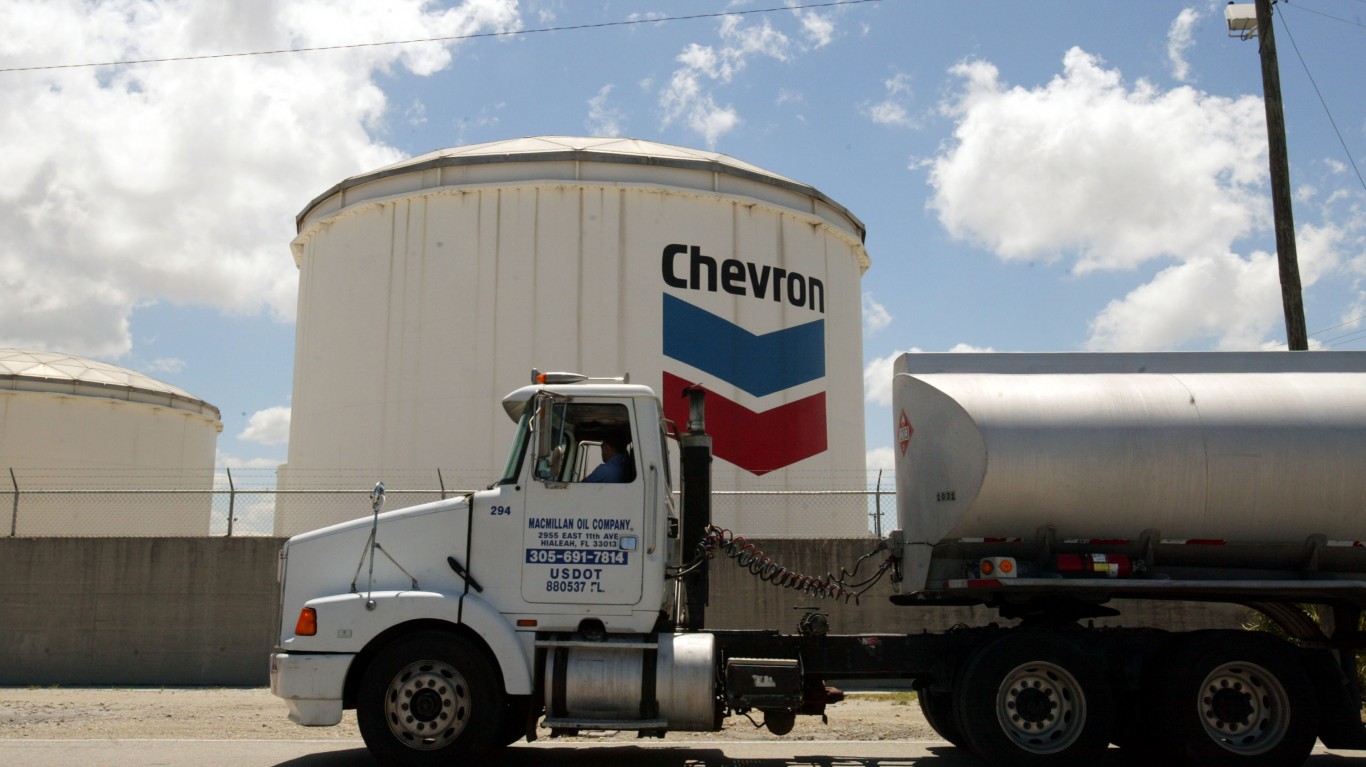
That instantly gives NABEP an extraordinary resource base. The White House describes NABEP as Venezuela’s second-largest private oil operator, following Chevron (NYSE:CVX | CVX Price Prediction).
And yet most investors had barely heard of it. That’s because NABEP isn’t publicly traded. There is no stock for investors to buy, no quarterly earnings report to dissect, and no Wall Street analyst coverage to drive the stock price.
Reuters reported that NABEP was formerly owned by U.S. businessman Harry Sargeant and is now led by Venezuelan businessman Alejandro Betancourt. The newly announced agreement expands its footprint to 17 projects, including fields previously operated by Russian and Chinese companies.
That existing operating experience may explain why Trump chose NABEP rather than handing the keys to one of the world’s oil majors.
Why NABEP Instead of Big Oil?
The U.S. government receives a 35% equity stake in NABEP’s corporate parent at no cost to taxpayers, along with the right to purchase 20% of all current and future production at production cost. It also gets first refusal on the remaining 80%.
The government gets veto power over NABEP board appointments, while a majority of directors must be U.S. citizens. NABEP, meanwhile, plans to invest up to $100 billion in Venezuelan oil infrastructure. That structure is important because it turns NABEP into something closer to a strategic U.S.-aligned energy platform than a conventional oil producer.
A major oil company could bring enormous technical expertise and capital. But NABEP already has a Venezuelan operating footprint and local relationships, while the U.S. government can effectively supply political backing, preferential market access, and governance oversight.
In short, Washington appears to have decided that the fastest route to controlling the resource wasn’t buying an oil major. It was backing an operator already inside the country.
Chevron is apparently carving out its own Venezuelan agreement that could allow it to expand production quickly. Reuters says Chevron and several other international energy companies are finalizing agreements under Venezuela’s revised hydrocarbons framework.
The $100 Billion Question
Granted, 65 billion barrels of proven reserves aren’t the same thing as 65 billion barrels of immediately available cash flow. Venezuela’s oil industry has suffered years of underinvestment, deteriorating infrastructure, sanctions, and operational problems. NABEP therefore has to spend enormous amounts of money before those reserves become productive assets.
The White House estimates NABEP will invest as much as $100 billion, while Venezuela expects roughly $200 billion in royalties and taxes during the first 25 years as production expands.
Venezuelan officials are targeting production of more than 1.5 million barrels per day from the 17 fields. S&P Global reports Venezuela produced about 1.21 million barrels per day in July, meaning the target would represent an increase of roughly 24% over the country’s current production.
That is a massive project. It is also why the market shouldn’t assume the benefits arrive overnight.
Key Takeaway
In short, Wall Street couldn’t foresee the creation of a potentially enormous private energy company that now sits at the center of a U.S.-backed strategy involving 65 billion barrels of proven reserves.
Trump’s choice of NABEP makes more sense when viewed through that lens. The company already had Venezuelan operating experience, local connections, and an established position in the country’s oil industry. Washington could then layer on capital, governance rights, guaranteed access to production, and political support.
The biggest risk is execution. The 100-year concession sounds extraordinary, but rebuilding Venezuela’s oil industry could take years and $100 billion of investment. Political and legal uncertainty also cannot be ignored. Ultimately, NABEP has gone from an obscure private operator to one of the most strategically important oil companies in the world almost overnight. Unfortunately for investors, there is no stock to buy.
Contact [email protected] for any questions or corrections.
After two decades of patrolling the dark corners of suburbia as a police officer, Rich Duprey hung up his badge and gun to begin writing full time about stocks and investing. For the past 20 years, he’s been cruising the markets looking for companies to lock up as long-term holdings in a portfolio while writing extensively on the broad sectors of consumer goods, technology, and industrials. Because his experience isn’t from the typical financial analyst track, Rich is able to break down complex topics into understandable and useful action points for the average investor. His writings have appeared on The Motley Fool, InvestorPlace, Yahoo! Finance, Money Morning, and, of course, 24/7 Wall St. He has been featured in both U.S. and international publications, including MarketWatch, Financial Times, Forbes, Fast Company, and USA Today.