The Hard Drive Maker That Quietly Turned $1,000 Into $31,680 Over Ten Years
A storage company that most investors wrote off as a dying PC supplier did something unexpected over the last decade, and dividends played a stranger role in the outcome than almost anyone would have guessed.


A $1,000 Stake Grew to About $31,680
If you put $1,000 into Seagate Technology (NASDAQ:STX | STX Price Prediction) on October 7, 2016 and reinvested the dividends, you would have about $31,680 today. That is a 3,068.01% total return from a hard drive maker.

How a PC Supplier Became an AI Storage Supplier
In 2016, Seagate’s success rode on the PC market. Over the decade it shifted toward mass-capacity drives for cloud providers. By fiscal Q3 2026, data centers made up 88% of exabyte shipments and 80% of revenue. Management said nearline capacity was “almost fully allocated through calendar 2027.”
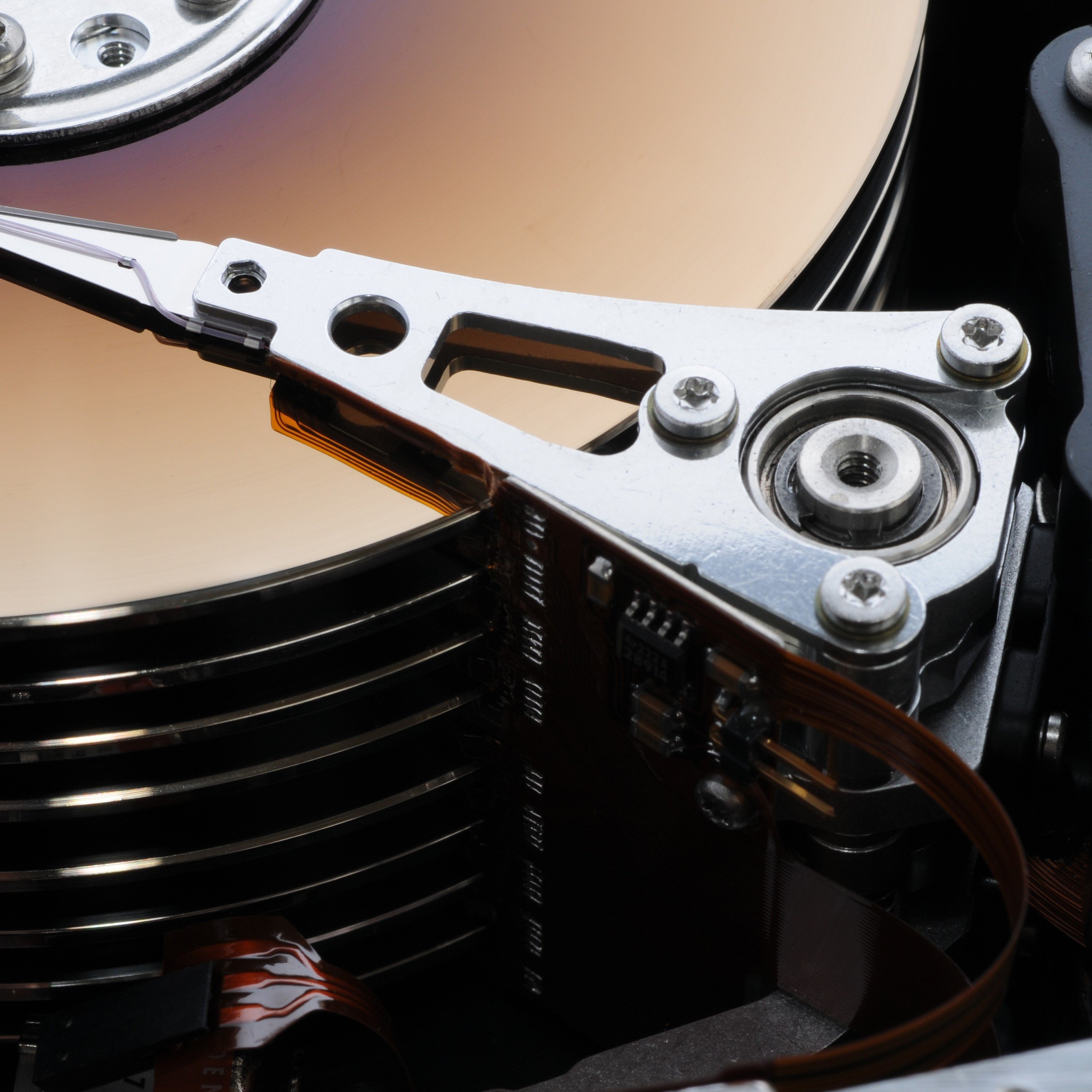
Seagate’s technical edge is Mozaic, a drive platform built on heat-assisted magnetic recording (HAMR), which uses a laser to fit more data on each disk. Mozaic 4 holds up to 44 terabytes per drive. Fiscal 2026 revenue rose 34.06% to $12.195 billion, and net income jumped 116.75%.
Ahead of the Market Over 1, 5 and 10 Years
1-Year Return
- Initial Investment: $1,000
- Current Value: $3,337
- Total Return: 233.74%
- S&P 500 (price only): $1,160 (16%)
5-Year Return
- Initial Investment: $1,000
- Current Value: $11,352
- Total Return: 1,035.17%
- Annualized Return: 62.56%
- S&P 500 (price only): $1,776 (77.61%)
10-Year Return
- Initial Investment: $1,000
- Current Value: $31,680
- Total Return: 3,068.01%
- Annualized Return: 41.28%
- S&P 500 (price only): $3,623 (262.3%)
Dividends Added Over $10,000, and Holding On Took Nerve
On share price alone, $1,000 would have grown to roughly $21,262. Reinvested dividends added about $10,418 more. Seagate paid $27.08 per share over the decade, and the quarterly payout rose from $0.63 to $0.74. Taken as cash, that comes to only about $715. Reinvesting those payments for years at prices below $100 is what built the gap.
Holding was rough. The monthly close fell from $112.98 in December 2021 to $49.66 in October 2022, a 56% drop. In March 2025 the stock closed at $84.95. The last year alone tripled your money. The stock now stands 29.9% below its 52-week high of $1,143.27, after losing 11.8% in the past week.
What Seagate’s Valuation Already Prices In
Investors who like the stock are counting on AI storage spending staying strong through 2028 and HAMR continuing to drive margins higher. Management forecast for fiscal Q1 2027 revenue of $4.1 billion and EPS of $7.30. The stock trades at about 26x forward earnings, while the trailing multiple is 58x.

The main risk is a slowdown in cloud spending. Hard drives have always been a boom-and-bust business, and 2022 showed how fast a cycle can turn. A few of huge cloud customers drive most of the demand. The stock also trades at 15 times sales.
The best part of the last 10 years came from buying when expectations were low. Today the price already assumes years of strong growth, which leaves less room for upside if growth or cloud spending disappointments. Investors looking for the next wave of AI infrastructure winners beyond the chipmakers can find seven of our favorites, from power to cooling to storage, in a free report here.
Contact [email protected] for any questions or corrections.
Chris Lange is a financial and geopolitical writer with more than a decade of experience covering a myriad of topics. He has published thousands of articles for 24/7 Wall St., with past coverage focused heavily on stocks, IPOs, healthcare, defense, global affairs, and technology.
His work has been quoted, or referenced by a number of outlets including Business Insider, USA Today, Yahoo Finance, MSN, The Motley Fool, and many other publications. A graduate of Southwestern University, he studied business with a focus on investments and has previous experience in banking and startups.
When not reading or writing the news, he is following his passion for Lacrosse, playing chess, or building solar projects with his dad.