Microsoft and Meta Signed Multi-Decade Nuclear Power Deals. These 3 Stocks Supply That Power
Microsoft and Meta just locked in nuclear power for decades, and the contracts are reshaping how the entire supply chain gets valued. Three very different companies sit between those deals and your portfolio, and treating them as one trade could…

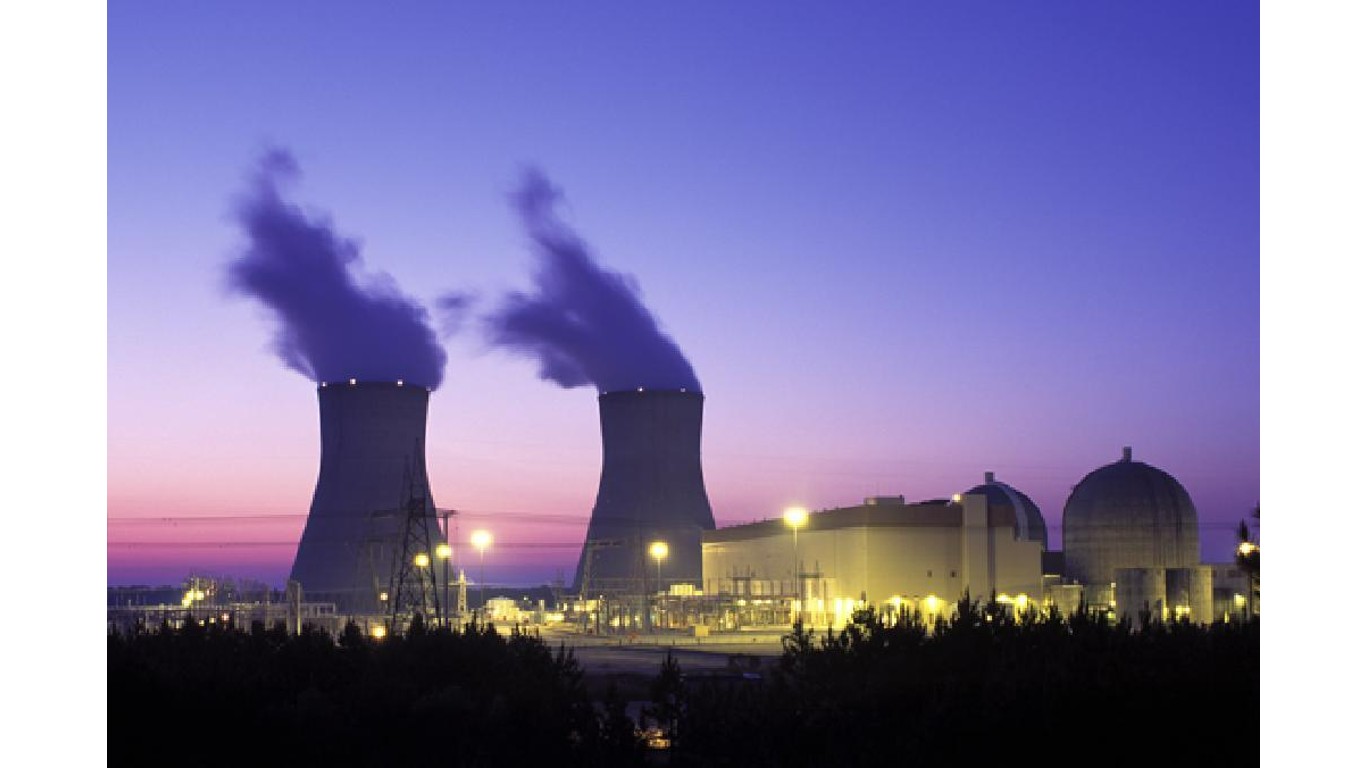
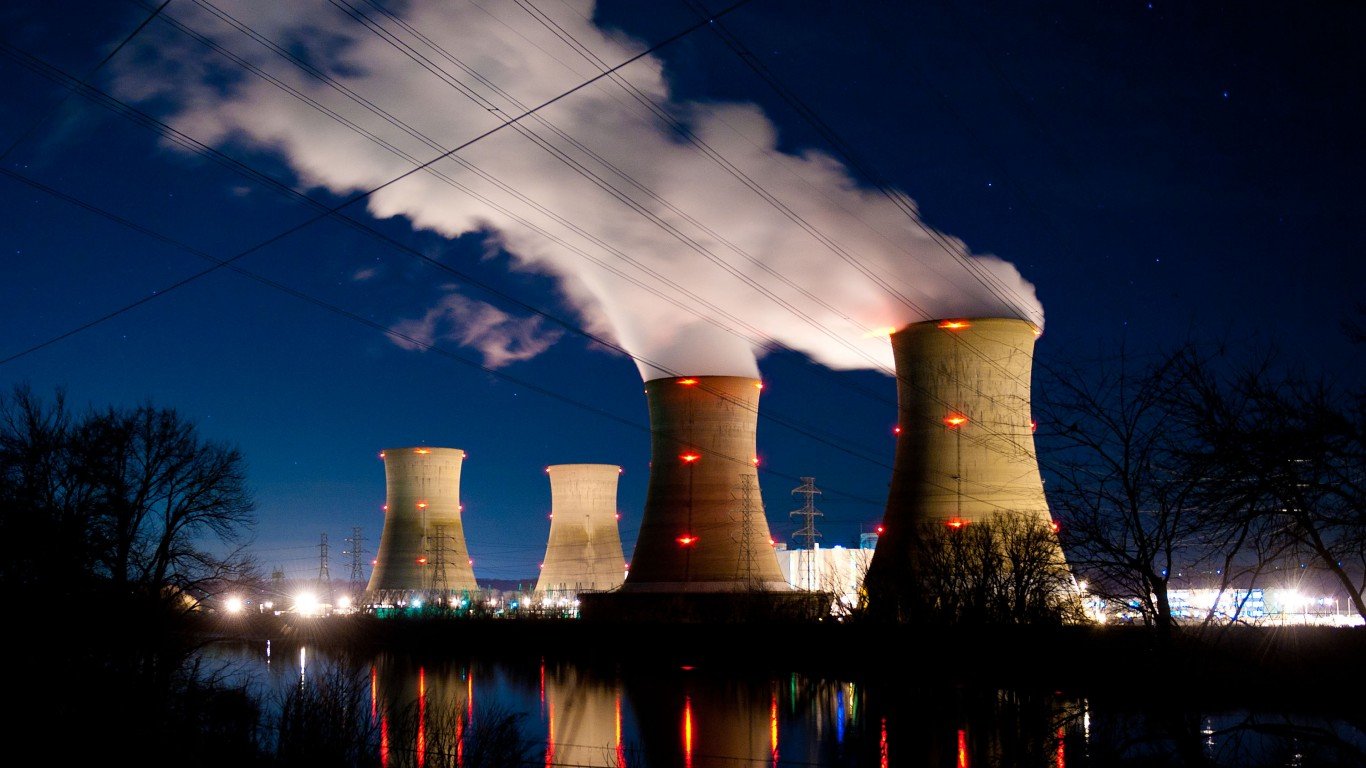
The nuclear reactor services and large-scale generation segment is being repriced in real time as hyperscalers compete for firm, carbon-free baseload. Microsoft’s previously disclosed Three Mile Island/Crane restart agreement with Constellation and Meta’s 20-year Clinton nuclear power purchase agreement with Constellation set the template: multi-decade contracts, investment-grade counterparties, and physical delivery from existing U.S. reactors.
Constellation itself just quantified the momentum, signing approximately 920 megawatts of long-term nuclear contracts with an average duration of 18 and a half years during the second quarter alone, though management declined to identify the customers.
Three U.S.-listed names sit at very different points of this supply chain, and they should not be traded as one basket.
Constellation Energy: The Fleet Signing the Contracts
Constellation Energy (NASDAQ:CEG | CEG Price Prediction) is the largest US nuclear operator and the direct counterparty on the disclosed Microsoft Crane restart and Meta Clinton PPA. This is a merchant IPP with real, PPA-backed cash flows. The company carries a market cap of roughly $99 billion and trades at a forward P/E of 23, with shares around $290.04 after a 20.81% year-to-date (YTD) decline.
The second-quarter data point that matters: The fleet produced 40 terawatt hours at a 93% capacity factor, and during the mid-Atlantic heat wave management hit a nuclear capacity factor above 99%. Adjusted operating EPS was $2.55, and full-year guidance was raised to $11.50 to $12.50 per share. The Crane Clean Energy Center restart cleared another gate when the NRC approved the Crane New Fuel Licensing Amendment request.
Bull case: CEG is the only US operator with a fleet of scale to sign multi-decade hyperscaler PPAs, roughly 30% of clean base load output is now under long-term contract, and PJM capacity pricing is tightening. CEO Joe Dominguez framed the market bluntly: “We have a peak capacity concern, not an energy concern.”
Risk: The Illinois ZEC program ends in May 2027, PJM and FERC rules for co-located large loads remain unsettled, and commodity hedges create earnings volatility. Management expects further PJM clarity around the November timeframe and a FERC order in the first to second quarter of next year.
BWX Technologies: The Sole-Source Reactor Component Play
BWX Technologies (NYSE:BWXT) is the sole US supplier of naval nuclear reactors and is aggressively building out domestic commercial nuclear component manufacturing. It is an established defense contractor with real earnings. Shares closed at $155.67, and the stock is down 14.40% YTD.
Q2 2026 revenue reached $902 million, up 18% year over year, with adjusted EPS of $1.07. Backlog ended the quarter at $8.4 billion, up 40% year over year, on a trailing 12-month book-to-bill of 1.7 times. Commercial operations organic revenue grew 33%. The July 1 close of Precision Components Group establishes BWXT as a US commercial nuclear component manufacturer, and the company received a $21 million DOE award to support domestic capacity expansion.
Bull case: CEO Rex Geveden said the industry is in “the early stages of a multi-decade super cycle of growth” and that there is “a credible opportunity to secure at least one new build nuclear equipment order before the year end.” The pipeline includes AP1000s, BWRX-300 reactors, TerraPower, and Rolls-Royce, plus government-backed programs tied to a $17.5 billion DOE Energy Dominance Financing Office loan commitment.
Risk: Federal budget uncertainty, qualified-tradesperson shortages, and heavy near-term capex, with capital expenditures potentially approaching 7% of sales in future years.
GE Vernova: The Turbine and Grid OEM With Optional SMR Exposure
GE Vernova (NYSE:GEV) is the equipment supplier arming the buildout: gas turbines, transformers, switchgear, and the Hitachi BWRX-300 SMR. This is an established industrial with real earnings, but a very different cash flow profile than a regulated utility. Shares are at $921.94, up nearly 36% YTD, though the stock has cooled 8.43% over the past month amid headlines around competitive threats, including a Barron’s piece asking whether SpaceX is coming for GE Vernova.
The quarter that matters: total backlog reached $176 billion, up $13 billion from last quarter, and management said it is “on track to reach $200 billion in 2027.” Q2 bookings hit $24.2 billion, an 88% increase year-over-year. Gas power gigawatts under contract rose from 100 to 116 gigawatts sequentially, with a target of at least 125 gigawatts under contract by the end of the year. Electrification equipment backlog is $41 billion, up 69%, and data-center electrification orders exceeded $5 billion in the first half of 2026. On the nuclear side, GEV secured two more tech selects and early work agreements for SMR in the US during the quarter.
Bull case: Backlog visibility through the end of the decade, gas turbine output scaling to 20 gigawatts annualized beginning in the third quarter and a path to 30 gigawatts of annual output in 30, and Q2 free cash flow of $5.1 billion. Full-year 2026 free-cash-flow guidance was raised to $11.5 to $12.5 billion.
Risk: The Wind segment is guided to roughly $400 million of EBITDA losses in 2026, and tariff and supply chain risk remain.
Bottom Line for Investors
These three names sit at different rungs of the nuclear power ladder. Constellation owns the reactors and signs the PPAs, BWXT builds the components and dominates naval nuclear, and GE Vernova sells the turbines and grid gear that make the rest of the buildout physically possible. Cash flow profiles differ: PPA-backed generation, government-anchored manufacturing, and backlog-driven equipment. Investors comparing them as a single trade will misprice all three. For readers looking further down the supply chain, from utilities to fuel, we mapped five more ways to play the restart in a free nuclear renaissance report.
Contact [email protected] for any questions or corrections.
Joel South covers large-cap stocks, dividend investing, and major market trends, with a focus on earnings analysis, valuation, and turning complex data into actionable insights for investors.
He brings more than 15 years of experience as an investor and financial journalist, including 12 years at The Motley Fool, where he served as an investment analyst, Bureau Chief, and later led the Fool.com investing news desk. He has also co-hosted an investing podcast and appeared across TV and radio discussing market trends.