SpaceX Rises 7% as Starship Test 14 Approaches, Tesla Jumps 7%, Rocket Lab Ticks Up
Starship test 14 is close enough to taste, and investors are already crowding into two specific Musk-linked names while the broader space sector barely moves. The question is whether the runway justifies the run.

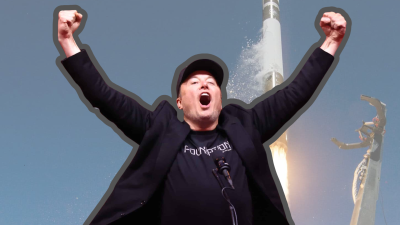
SpaceX (NASDAQ:SPCX | SPCX Price Prediction) shares are leading a tight rally into Thursday afternoon as investors position ahead of Starship test 14. SpaceX stock is up 7% to $150.84. The buying is concentrated in two specific names within a single ecosystem story.
Tesla (NASDAQ:TSLA) is running with it on autonomy optimism and its equity and manufacturing links to SpaceX. Tesla stock is up 7% to $381.69. Meanwhile, Rocket Lab (NASDAQ:RKLB) is barely budging, with RKLB stock up 1% at $63.66 after a strong post-earnings run.
The framing sharpens it. The Procure Space ETF (NASDAQ:UFO) is up 0.2% to $43.23, barely off flat even as SpaceX rallies. The SPDR S&P 500 ETF Trust (NYSEARCA:SPY), which tracks the S&P 500, is up 1% to $772.46. That combination confirms Thursday’s bid is a two-name trade rather than sector rotation into space.
Starship Test 14 and Terafab Anchor the Bid
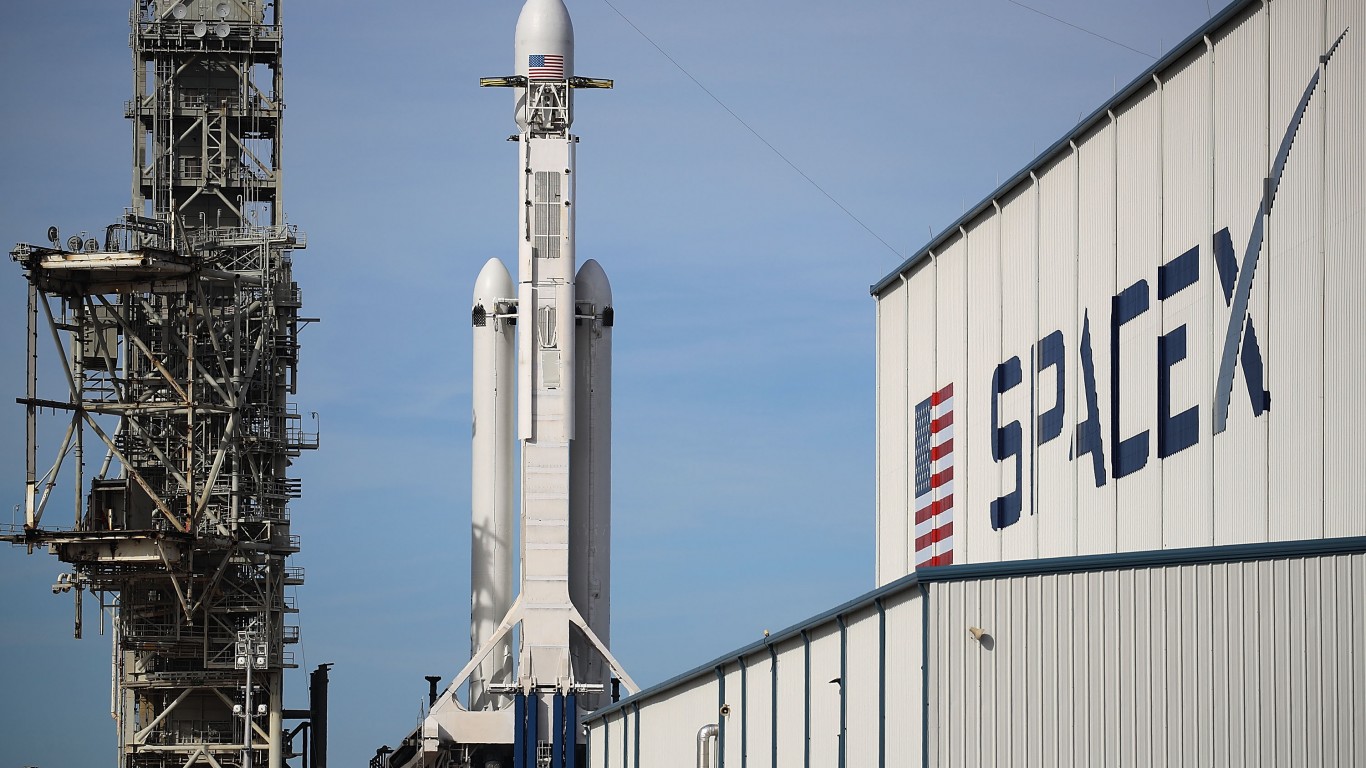
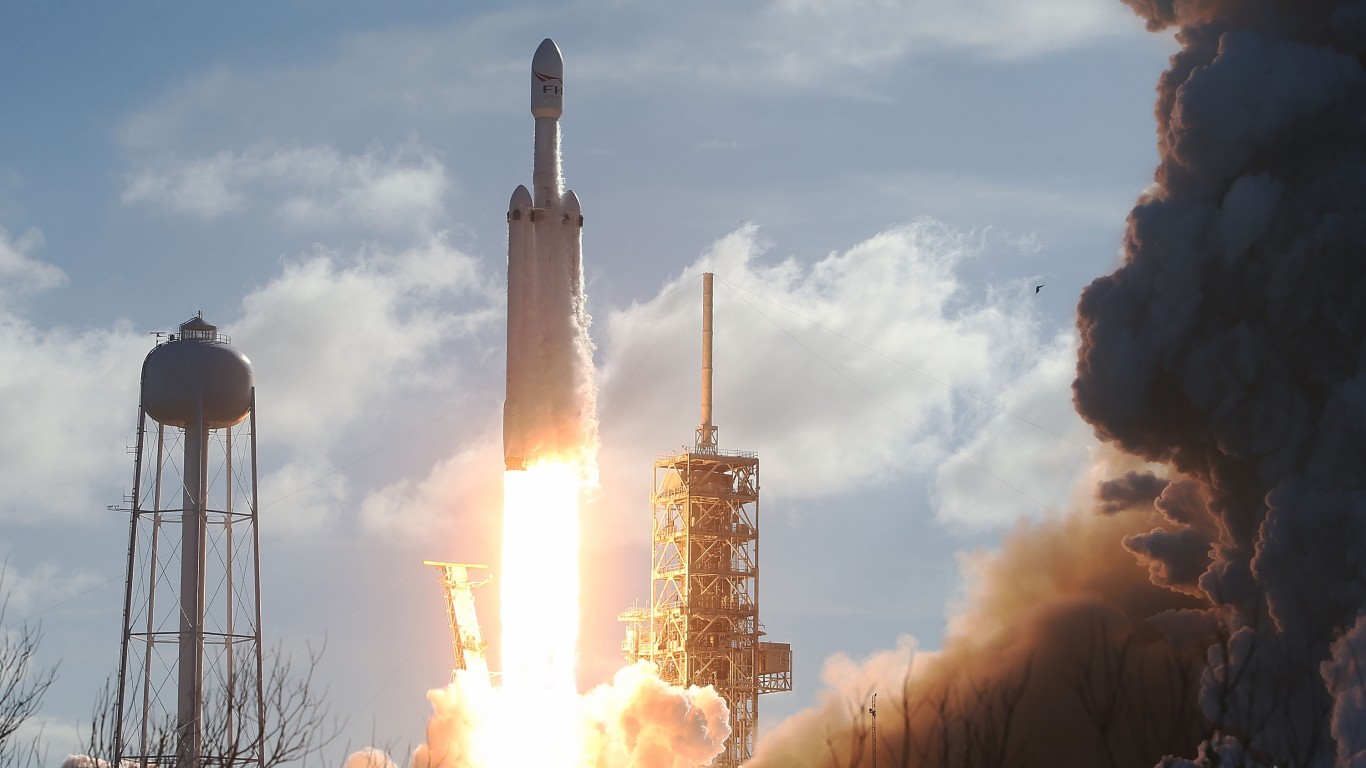
SpaceX said Starship test 14, the next flight of its fully reusable rocket, could be days away, with the vehicle standing about 400 feet tall as the largest rocket ever built. No confirmed launch date has been published, so the event sits in an approaching window rather than a scheduled one. That binary event risk cuts against the day’s enthusiasm even as the capital commitments stack up.
SpaceX confirmed on August 6 the Grimes County, Texas site for Terafab, a semiconductor project jointly backed with Tesla, with an initial commitment of $16.8 billion and at least 3,000 employees. ARK Invest estimated Terafab could eventually require $1 trillion in total investment, surpassing the inflation-adjusted $704 billion cost of the U.S. Interstate Highway System. Those figures are reshaping how investors think about the tie between the two names.
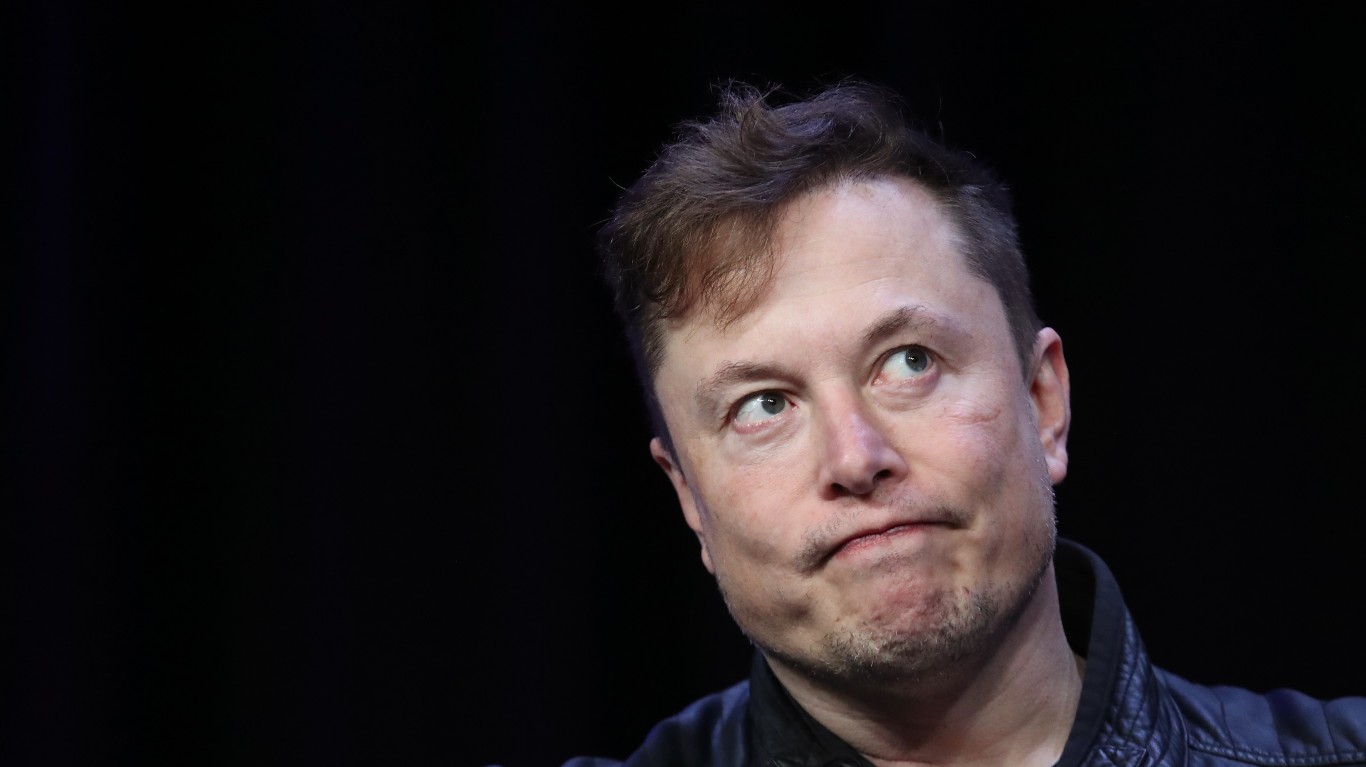
SpaceX also disclosed plans to invest $100 billion in Starbase, Louisiana, in Vermilion Parish, with construction starting in 2027 and first launch targeted as early as 2029. SpaceX founder Elon Musk noted SpaceX acquired mobile power provider APR Energy for $1 billion, a business operating more than one gigawatt of deployable gas and diesel generation capacity. Musk replied with one word, “True,” to an X post arguing his companies’ promises are turning into factories, vehicles, and launch dates.
How the Three Names Diverge
SpaceX has run hard into the pending test. The stock was up 23% over the past month through the prior close, and Thursday’s advance extends that momentum. Q2 2026 backed the tape with revenue of $7.81 billion versus $6.82 billion estimated and a backlog of $47.5 billion.
Tesla tells a different tape. The stock was down 21% year to date (YTD) and up 11% over the past month through the prior close, so the same ecosystem story is being priced differently across the two stocks. Tesla’s Q2 delivered record deliveries of 480,126 vehicles and nearly 1.5 million paid FSD customers globally, though operating margin compressed to 1.4%.
Rocket Lab is the outlier. The stock was down 10% YTD through the prior close and isn’t participating Thursday despite record Q2 revenue of $234.07 million and a $2.36 billion backlog, up 137% year over year. The Neutron medium-lift rocket is targeting Q4 2026 delivery to launch pad, but today’s narrow enthusiasm shows buyers are focused on Musk-linked catalysts rather than launch beta.
Ecosystem Bet, Not Space Bet
The Musk-linked capital plans reach beyond rockets. Tesla holds a $2 billion SpaceX equity stake and partners on semiconductor fab, and Starlink is being integrated into Cybercab and other Tesla vehicles. Terafab is a chip foundry meant to feed Optimus production and future AI hardware, tying manufacturing risk between the two companies.
SpaceX’s Q2 print supports the ambition. AI segment revenue reached $2.56 billion, up 247% year over year, and Starlink subscribers doubled to 12 million. On Polymarket, prediction markets assign a 0.9 probability that SPCX finishes Thursday higher, a bullish tilt that has already priced in a lot of good news.
The bear case is worth noting. Tesla’s Q2 non-GAAP EPS came in at $0.33 versus $0.54 estimated, a real miss, and free cash flow turned negative at -$1.09 billion. If Starship test 14 disappoints, both names could give back the same-day gains quickly.
What to Watch
The Starship test window and any FAA notices could shape the next leg for SpaceX. Tesla holders can watch for follow-through on Terafab site work and Robotaxi expansion beyond its current seven U.S. metros.
Investors sizing their positions across the two names may want to keep their space-ecosystem exposure moderate given the binary launch risk sitting on top of already large capital plans (we laid out sizing and exit rules for exactly this kind of high-conviction, event-driven setup in a free speculation playbook).
Contact [email protected] for any questions or corrections.
David Moadel is financial writer specializing in stocks, ETFs, options, precious metals, and Bitcoin. David has written well over 1,000 articles for leading online publications, helping investors understand markets, income strategies, and risk.His work has appeared in The Motley Fool, InvestorPlace, U.S. News & World Report, TipRanks, ValueWalk, Benzinga, Market Realist, TalkMarkets, Finmasters, 24/7 Wall St., and others.With a master’s degree in education, David has taught at the elementary, high school, and college levels. That teaching background shapes his writing style: clear, educational, and practical. David has also built a loyal social-media audience by providing trustworthy financial content on YouTube, X/Twitter, and StockTwits.