Cramer Says It’s Time To Buy The Dip on JNJ
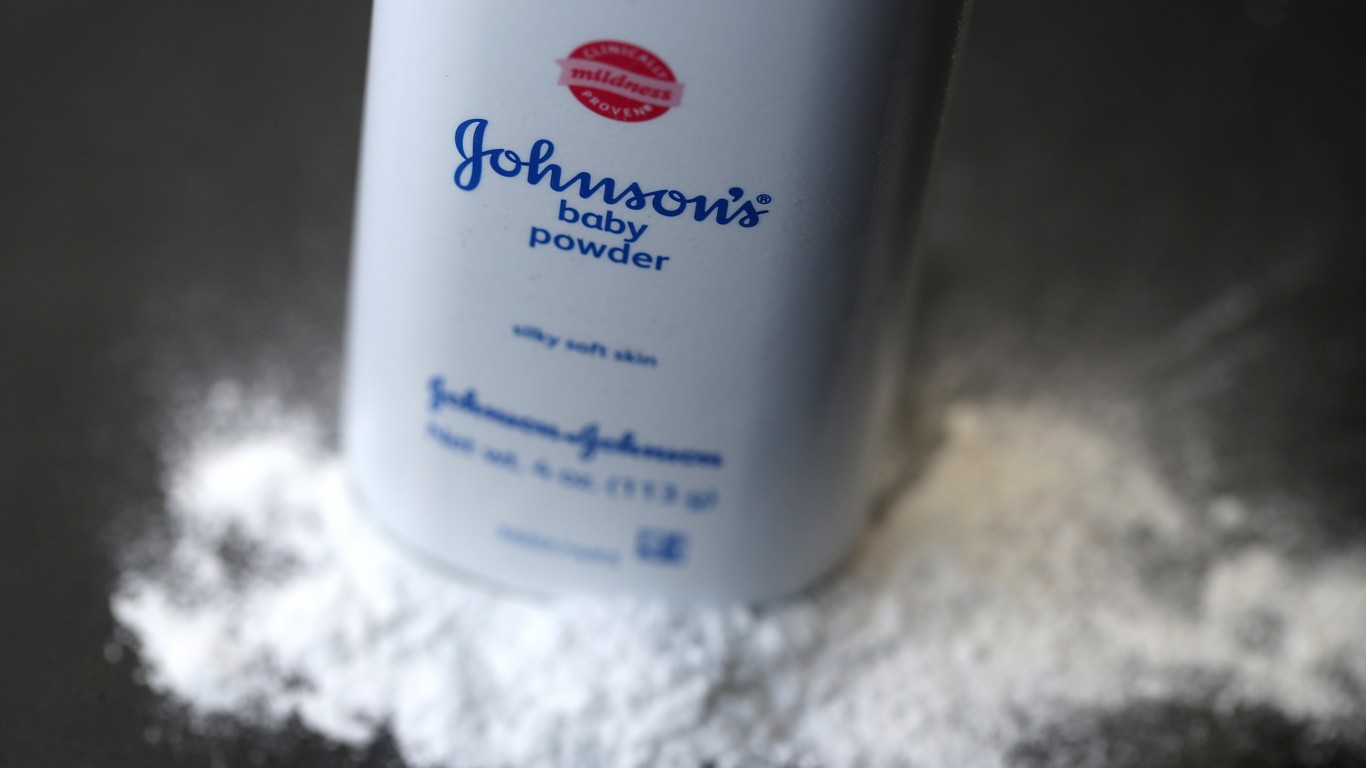
Jim Cramer called the JNJ dip a buying opportunity live on air, but the data behind his reasoning had already been published hours earlier, and the stock's recent performance tells a very different story than a typical defensive play.

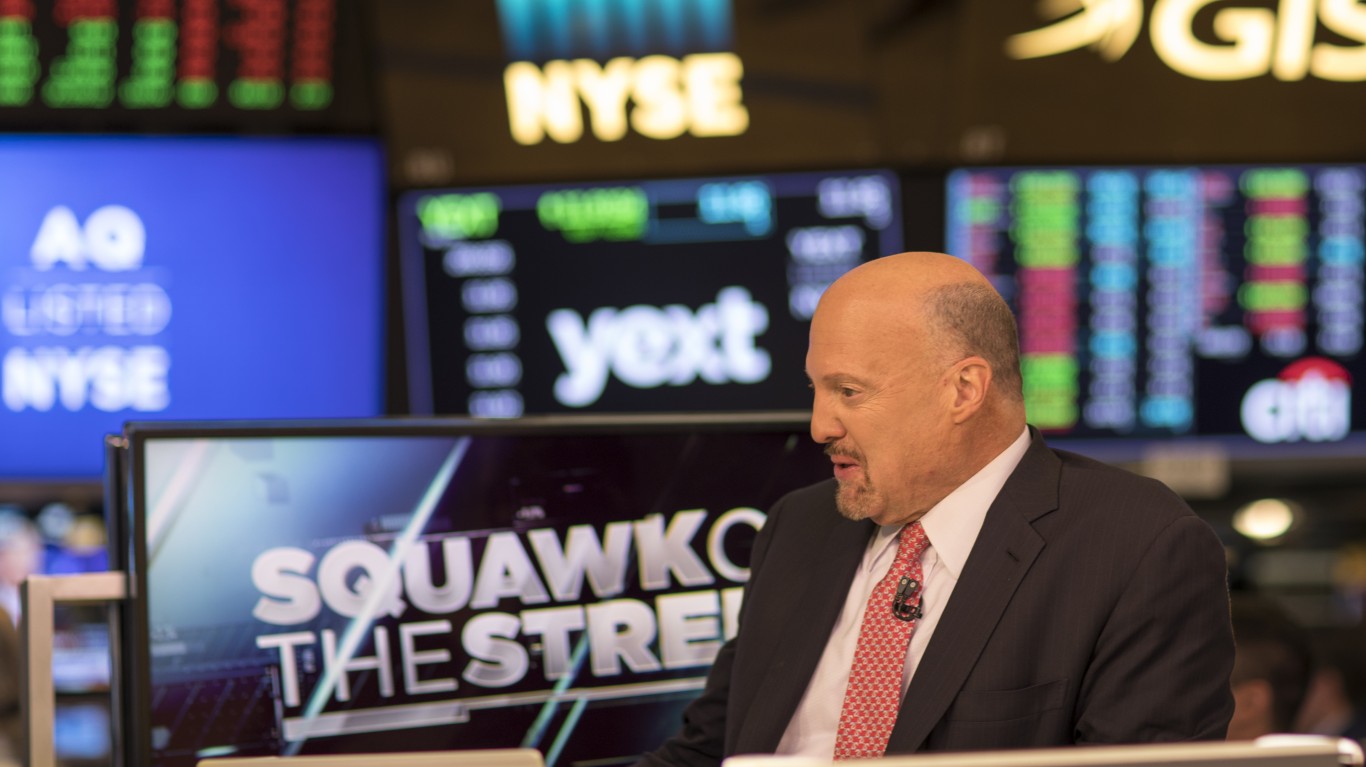
On Tuesday morning’s Squawk on the Street, Jim Cramer told viewers to step in on a mid-session drop in Johnson & Johnson (NYSE:JNJ | JNJ Price Prediction). “J and J down six off of a weakness in the drug group. Nothing particular,” Cramer said, adding “I’m going to buy some of that because they’ve got something for schizophrenia.” He tied the call to the Psych Congress conference running September 15-19 in New Orleans, where he expects fresh data on Caplyta and Spravato.
The dip was real. JNJ was down 2.33% on the session to $268.82, part of a broader pharma selloff that included Amgen down 7.6%, Bristol Myers Squibb down 3.1%, and the health care ETF XLV down 1.9%.
Buy the Dip, or Buy the Leader?

The framing worth pausing on is what Cramer left out. JNJ is up 53.76% over the past year and up 31.99% year to date, hitting an all-time high last week. Compare that with the two names he most often positions JNJ against as a hedge:
- NVIDIA (NASDAQ:NVDA): up 32.63% over the past year, 22.06% YTD.
- Apple (NASDAQ:AAPL): up 32.32% over the past year, 16.59% YTD.
On August 27, Cramer told a viewer holding Alphabet, Nvidia, and Apple to add JNJ as their health care counterweight, saying of the tech giants “own them. Don’t trade them.” The ballast is beating the ships.
Psych Congress Data Was Already Out
Cramer told viewers JNJ “will reveal some documents about how Caplyta is doing versus manias”. In fact, the company had already published the release. At 8 a.m. ET on September 8, JNJ put out “Johnson & Johnson spotlights new neuropsychiatry data across bipolar mania, depression and schizophrenia at Psych Congress 2026,” hours before the Cramer segment aired.
One indication note for investors: Spravato, which Cramer highlighted, is approved for treatment-resistant depression and major depressive disorder with suicidal ideation, not schizophrenia. Caplyta, acquired via the April 2025 Intra-Cellular Therapies deal, is the schizophrenia and bipolar depression asset. On the Q2 call, management said new patient starts were up 122% versus prior year, and cited 70.9% growth for the franchise.
Fundamentals Under the Trade
The dip-buy thesis rests on a business that has been accelerating. Q2 2026 worldwide sales were $25.3 billion, up 5.6% operationally, with Innovative Medicine at $16.4 billion. Oncology led: Darzalex sales exceeded $4 billion, and Tremfya reached $2 billion, growing 71%.

CEO Joaquin Duato raised the 2026 outlook to reported sales of $101.1 billion at the midpoint and reported EPS of $11.60 to $11.75, with the company still targeting double-digit growth by the end of the decade. Q1 2026 revenue of $24.06 billion beat consensus by 1.89%, with adjusted EPS of $2.70 versus $2.68 expected, per the company’s Q1 2026 8-K.
For income investors, JNJ paid its $1.34 quarterly dividend on September 8, extending what management calls its 64th consecutive year of dividend increases, the kind of multi-decade streak we screened for in our free Dividend Kings guide. Reddit’s dividend-focused community reflects that positioning, with a bullish sentiment score of 72.
What to Watch Next
Between now and year-end, the catalyst calendar includes the Icotide readout in psoriatic arthritis, the Caplyta bipolar mania readout, and the Enterprise Business Review scheduled December 8, 2026, where management is expected to detail the planned Orthopaedics separation. Cramer’s dip call is worth evaluating on its merits, but investors weighing it should note this “defensive” name has been outperforming the broader market.
Contact [email protected] for any questions or corrections.
AJ spent 10 years writing about financial markets at The Motley Fool. His coverage centers on technology stocks and the broader macroeconomic trends, from interest rates to geopolitics, that shape where markets are headed next. AJ is drawn to the stories where big-picture economics and individual companies collide.