‘We Don’t Have Decades’: Why $500 Million Won’t Break China’s Grip on Batteries
Washington just handed half a billion dollars to US battery companies, but industry insiders say the window to break China's grip on the supply chain is far shorter than the money implies, and Albemarle shareholders are caught in the middle.

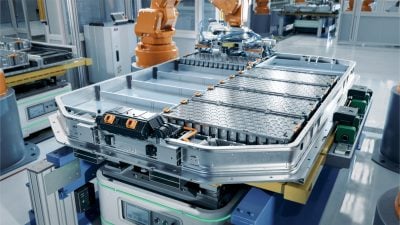
A CNBC segment put a hard number on Washington’s latest attempt to loosen China’s grip on the battery supply chain. The Department of Energy is spreading $500 million across seven US battery companies, and the industry experts interviewed for the piece were candid about the math.
One expert told CNBC that catching up will take “decades and tens, if not hundreds of billions of dollars”, and that the US has closer to five, six or seven years to become competitive. That framing matters for every US-listed name tied to lithium and battery materials, and it matters most for Albemarle (NYSE:ALB | ALB Price Prediction), the largest domestic lithium producer.
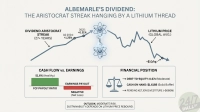
Albemarle trades at $129.57 as of the September 8 close, up 60.13% over the past year but down 7.94% year to date. The stock sits in the middle of a policy story it cannot control, so the honest question is whether $500 million in federal money moves the needle for shareholders.
Where China’s Advantage Actually Sits
China’s dominance is stacked at every layer. CNBC reported that China produced 85% of the world’s cathode active material and over 90% of anode active material in 2025.
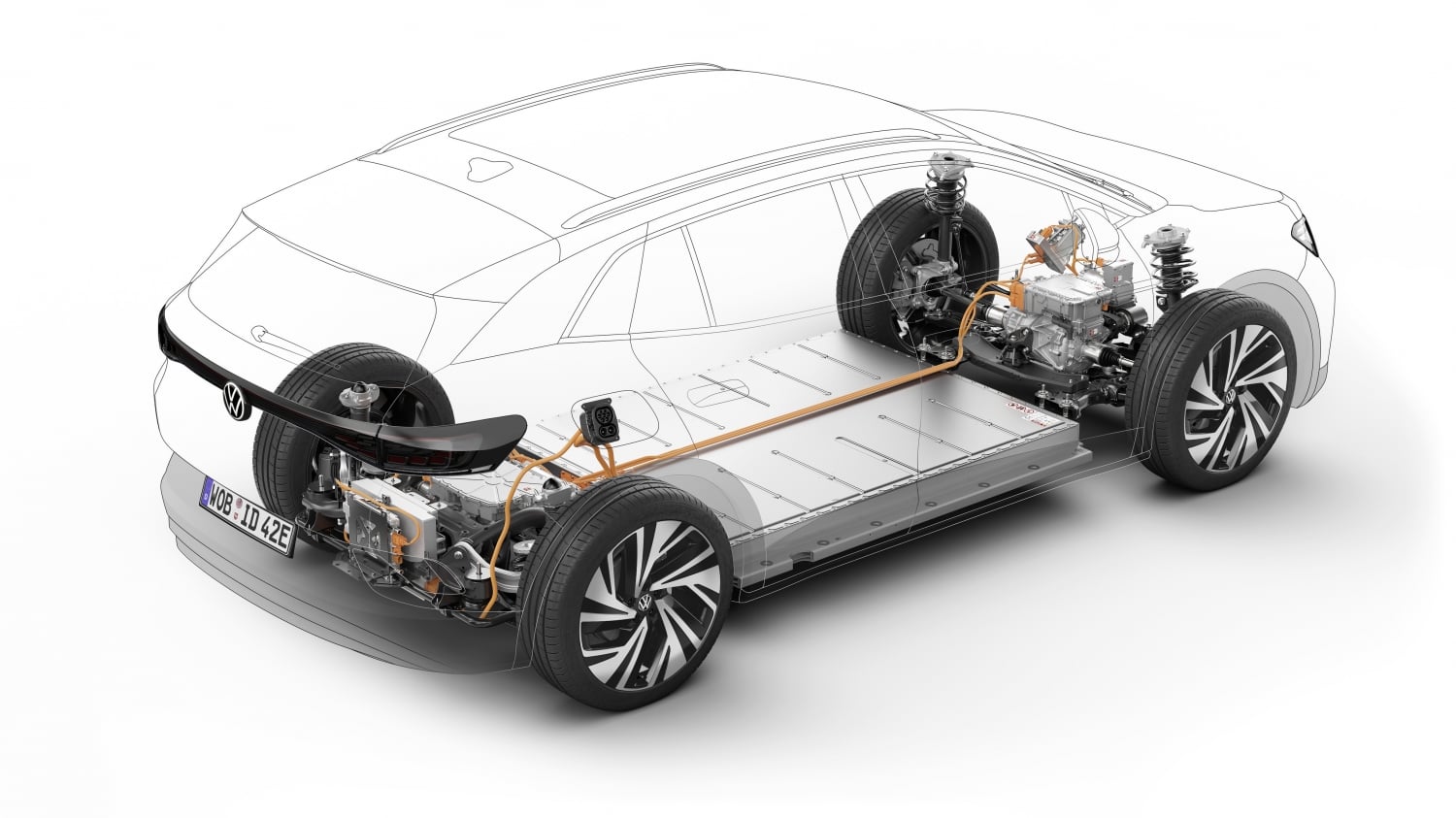
Downstream, China is at 80% of global battery cells and 70% of the world’s electric vehicles in 2025. That is scale that funds the next round of capacity at prices Western producers cannot match today.
The cost gap shows up in packs. CNBC reported that Chinese battery pack prices were already lower than North American and European packs, and the gap widened between 2022 and 2025.
Albemarle sits upstream of all of this. Its Q2 realized lithium price of $19.53/kg LCE is market-set, and its buyers ultimately compete with Chinese converters.
Midstream Gap the Federal Money Is Chasing
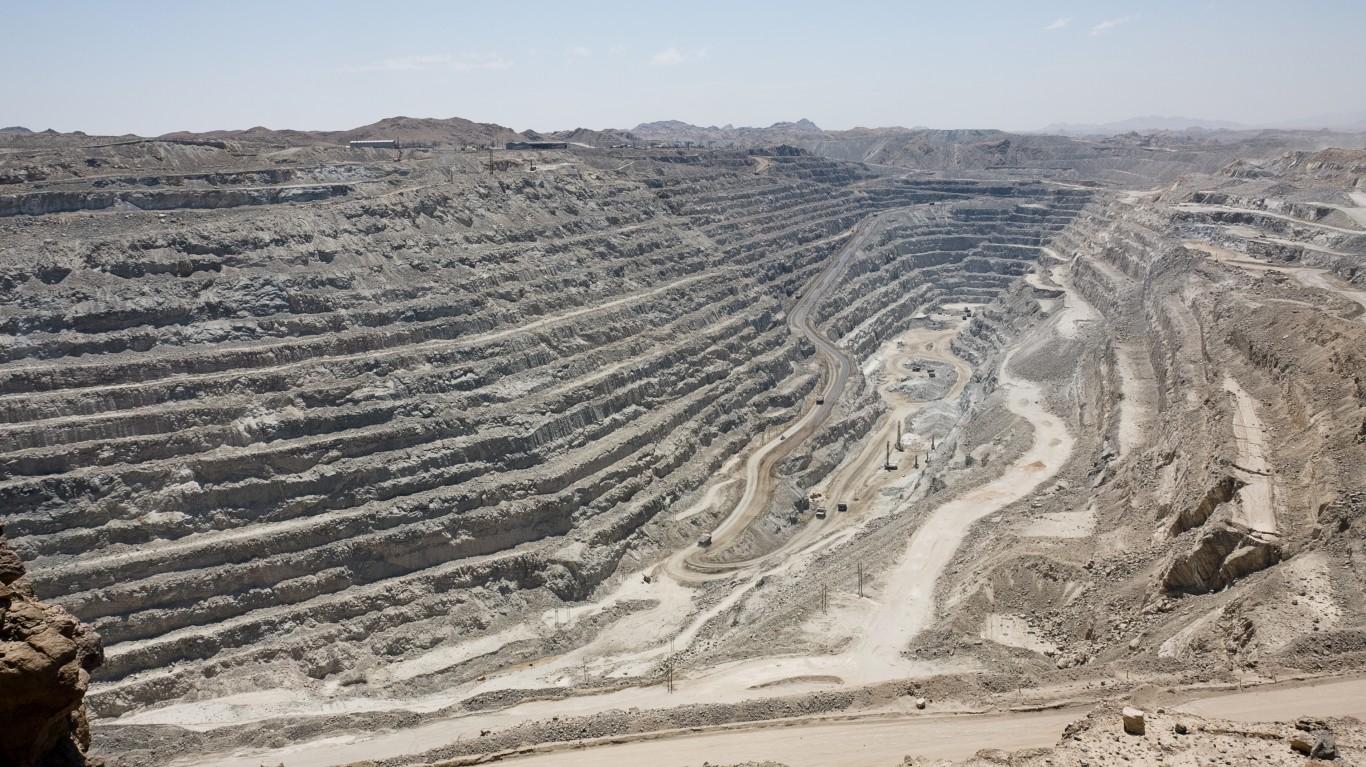
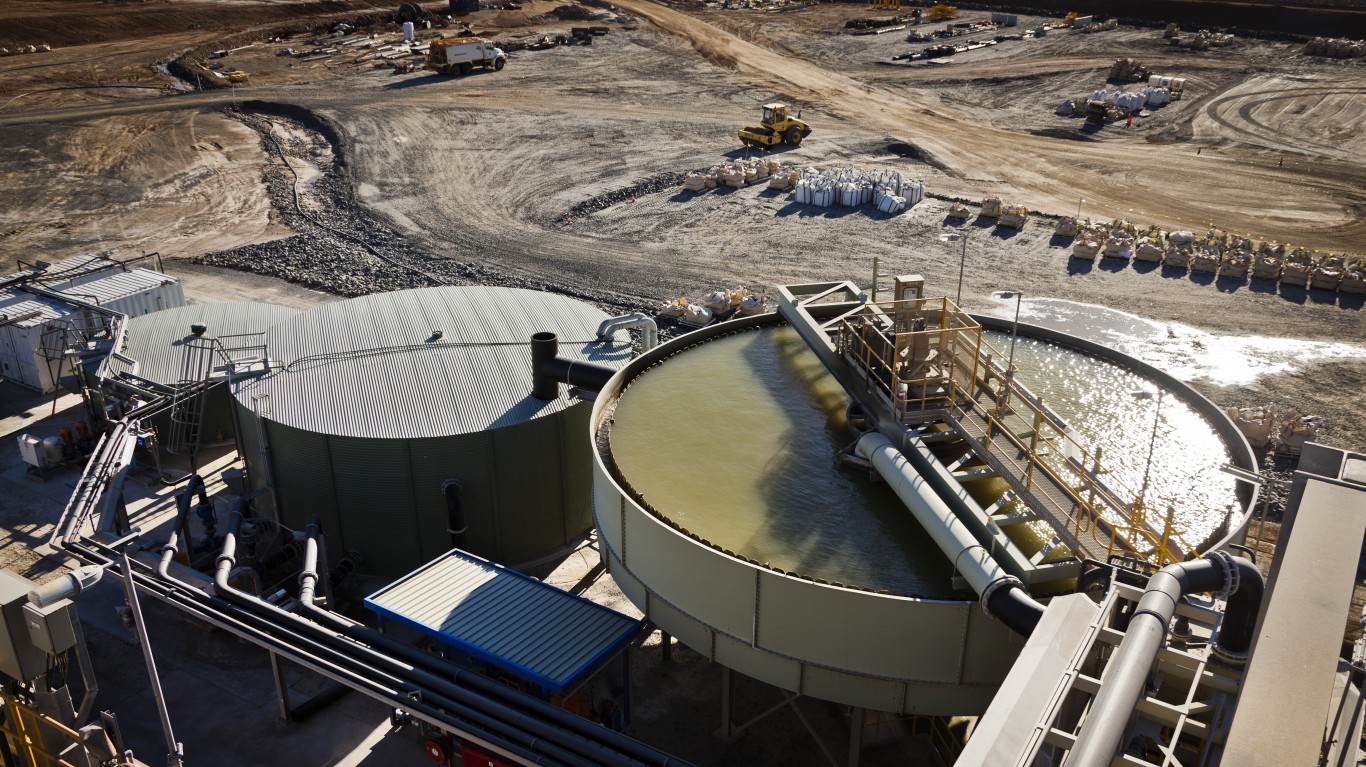
The DOE dollars target midstream processing, the step that turns rock and brine into battery-grade material. Raef Sully, whose unnamed company received a $100 million federal grant for a Great Salt Lake lithium project, told CNBC that the award covers about a third of phase one capital.
Sully said his process produces battery-grade lithium carbonate or hydroxide at the point of extraction, “bypassing that important step, that processing step that China has a chokehold on today.” That is the exact bottleneck Albemarle is also attacking with its direct lithium extraction pilot at the Salar de Atacama.
Albemarle disclosed in its Q2 call that its DLE pilot has logged over 3,000 operating hours with recovery rates “over 90%”, versus 30% to 40% for conventional ponds. Details are in the company’s Q2 2026 earnings exhibit.
Federal capital thins the risk on projects like these, although Albemarle is funding its own DLE work off $638 million in Q2 free cash flow, not grants.
Policy Whiplash Is the Real Killer
The scarier figure in the CNBC segment was the number of cancellations. CNBC reported that $24 billion of US battery projects were canceled between January 2025 and August 2026.
An industry expert on the segment told CNBC that “a stable policy environment that doesn’t ricochet between administrations is the single most critical thing for successful industrial policy.” Capital allocators need a decade of visibility, and they are not getting it.
Albemarle has adjusted accordingly. The company placed Kemerton Train 1 into care and maintenance, trimmed full-year capex to approximately $500 million, and retired $1.3 billion in debt.
On September 3, Albemarle also announced a CEO succession plan, another reminder that the company is repositioning for a longer, choppier cycle than the 2022 boom suggested.
Demand Problem No Grant Can Solve
The last binding constraint is the customer. An industry expert told CNBC that “the ultimate challenge is demand” and that every link depends on someone buying the finished product.
US EV sales fell 36% year over year in the fourth quarter of 2025 after federal purchase credits expired. That is a demand shock supply-side grants cannot fix.
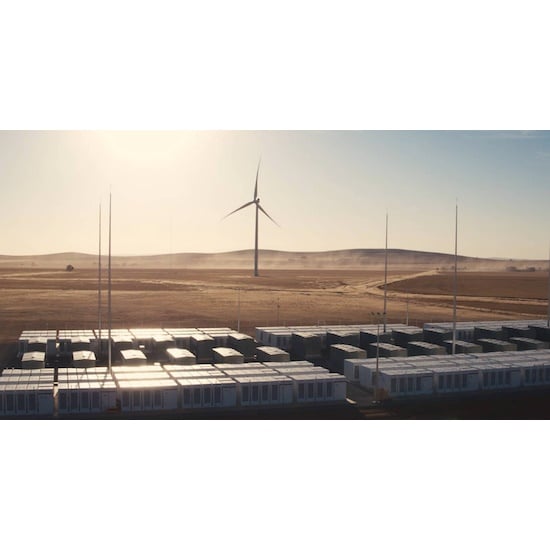
Stationary storage is the offset. CNBC reported that roughly 15% of global battery demand came from energy storage in 2025, about double that share in the United States, and Albemarle said on its call that stationary storage will represent about 30% of global lithium market demand in 2026.
CEO Kent Masters said on the Q2 call that “energy storage demand is kind of off the charts” and that global lithium consumption was up 45% year-over-year through May. Grid batteries are carrying the lithium bull case right now, well ahead of EVs.
Is ALB Stock a Buy?
Albemarle beat Q2 estimates with adjusted EPS of $3.75 on $1.74 billion in revenue, and management now expects to land at the high end of its $20 per kg LCE scenario. That would put full-year sales at $5.7 to $6 billion.
Analyst sentiment is 59% bullish with an average target of $172.56, although our model flags a -0.662 year-over-year earnings-growth drag and a beta of 1.33.


The $500 million DOE program is unlikely to reprice ALB on its own, and the policy risk described by CNBC’s experts is real. The lithium tightness Masters describes on the call is the real driver of Albemarle’s near-term earnings, and it exists independent of Washington.
The setup reads as neutral. Demand is strong enough to defend today’s price, but until US industrial policy stops ricocheting and domestic EV sales recover from that 36% drop, chasing ALB higher on grant headlines is the wrong reason to own it.
Contact [email protected] for any questions or corrections.
Omor Ibne Ehsan is a writer at 24/7 Wall St. He is a self-taught investor with a focus on growth, cyclical, and dividend equities that have strong fundamentals, value, and long-term potential. He also has an interest in high-risk, high-reward investments such as penny stocks.