SpaceX Rises 2% After Starship’s First Orbital Satellite Deployment; Rocket Lab Falls 3%, AST SpaceMobile Drops 3%
Starship just carried a working payload to orbit for the first time, yet the rest of the space sector sold off hard in response. Whether that split rewards SpaceX investors or signals a warning depends on one propulsion detail analysts…

This post may contain links from our sponsors and affiliates, and Flywheel Publishing may receive compensation for actions taken through them.

SpaceX (NASDAQ:SPCX | SPCX Price Prediction) stock rose 2% to $149.02 during the afternoon session after the company reported that its Starship vehicle reached orbit and deployed satellites for the first time. The rest of the space group is moving the other way, which suggests investors are crediting this result to SpaceX alone. Starship’s latest flight also came with a fault, and that detail helps explain why the rally in SpaceX stock looks measured.
Rocket Lab (NASDAQ:RKLB) stock is down 3% to $70.21, slipping even as SpaceX stock rallies on its Starship milestone. Meanwhile, AST SpaceMobile (NASDAQ:ASTS) stock is down 3% to $58.95, sliding in step with Rocket Lab. Intuitive Machines (NASDAQ:LUNR) stock is also in the red, leaving SpaceX stock as the lone gainer among these space stocks.
The Procure Space ETF (NASDAQ:UFO) is down 1%, a sign the selling reaches well beyond a single rival. By comparison, the SPDR S&P 500 ETF Trust (NYSEARCA:SPY) is declining 0.38%, a comparatively milder dip. That split puts SpaceX alone on the rising side of the ledger, which points to a company-specific result the market is pricing in.

Starship Reaches Orbit With a Working Payload
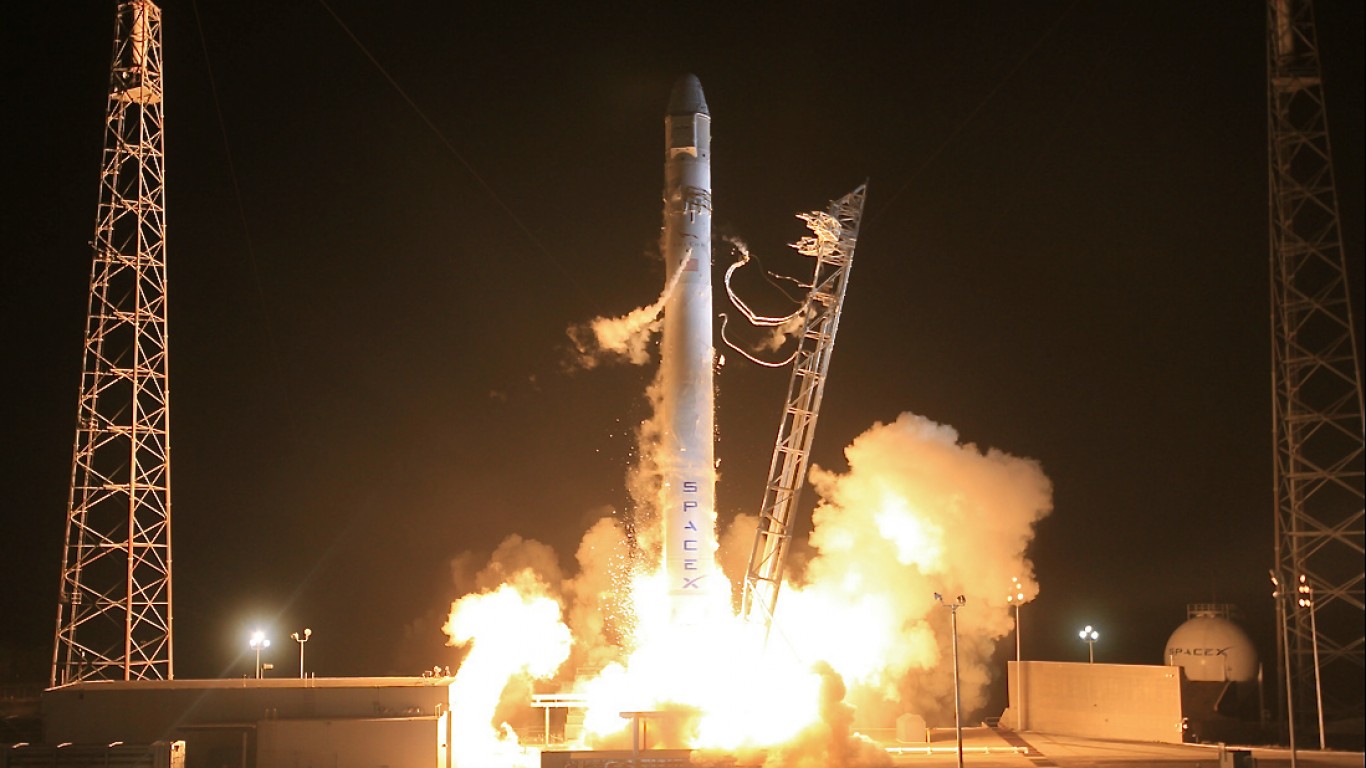
SpaceX’s report stated that Starship released a batch of next-generation Starlink satellites once in orbit, marking the vehicle’s first mission with an operational payload. According to the company’s report, Starship then completed a controlled splashdown after reentry, and recovery teams went out to collect hardware and flight data. Earlier Starship test flights focused on launch system performance, so this mission is the first to put the vehicle to work hauling real cargo.
The same SpaceX report showed that an engine shut down earlier than planned, which cut the mission short. Even so, the company stated the flight still met its orbital and deployment goals. Together, that working payload and that propulsion hiccup set up both sides of the SpaceX debate.
Three Brokerages Weigh the Milestone
Morgan Stanley called the latest Starship flight a major achievement and kept its Overweight rating and $300 price target on SpaceX. That praise came with a caveat, as the brokerage flagged recurring problems with the propulsion system on the new vehicle. In the firm’s view, the next Starship flight is the one that matters most, because a successful catch of the vehicle could become the largest catalyst for SpaceX stock since its listing.

UBS reiterated a Buy rating on SpaceX with a $210 price target. According to UBS, SpaceX’s third-quarter 2026 results could come in ahead of Wall Street expectations on growth in artificial intelligence, Starlink connectivity and launch volume. Separately, TD Cowen began coverage of SpaceX with a Buy rating and a $200 price target, citing growth opportunities across artificial intelligence and space.
Where SpaceX Separates From Its Rivals
The case for SpaceX stock rests on Starship moving from a test program into working capacity now that the vehicle has carried an operational payload to orbit. Three separate brokerages answered that shift with Buy or Overweight ratings on SpaceX over the past few days. SPCX stock is also up 5% over the past month, so this move extends a rally that was already building.
Risks for SpaceX stock start with the engine that shut down early, and Morgan Stanley described the propulsion problems as recurring. A wide distance between the Morgan Stanley target at the top of the range and the TD Cowen figure at the bottom shows the firms disagree on what this milestone is worth to SpaceX shareholders. For SpaceX, one successful payload mission still leaves the reliability question open until Starship flies again.
Rocket Lab stock is up 9% over the past month, so the pullback cuts a strong run for the launch company. AST SpaceMobile is building a space-based cellular broadband network for mobile phones, a market where more Starlink capacity in orbit could sharpen competition. Weakness in Intuitive Machines stock shows the selling reaches beyond launch and connectivity into lunar exploration.
What to Watch Next
The next Starship flight is the test Morgan Stanley singles out, and a successful catch could go a long way toward answering the propulsion question for SpaceX. Shareholders should keep an eye on SpaceX’s third-quarter results, which UBS stated could beat Wall Street expectations. A separate question for Rocket Lab and AST SpaceMobile stock is whether the pullbacks hold once the Starship headlines fade.
Investors adding SpaceX exposure should keep their positions moderate while the propulsion fix remains unproven. Rocket Lab and AST SpaceMobile shareholders should consider one day of rotation against their own thesis before changing their allocation. Spreading their exposure across several space names could also cushion the impact of any single Starship result.
Contact [email protected] for any questions or corrections.
David Moadel is financial writer specializing in stocks, ETFs, options, precious metals, and Bitcoin. David has written well over 1,000 articles for leading online publications, helping investors understand markets, income strategies, and risk.His work has appeared in The Motley Fool, InvestorPlace, U.S. News & World Report, TipRanks, ValueWalk, Benzinga, Market Realist, TalkMarkets, Finmasters, 24/7 Wall St., and others.With a master’s degree in education, David has taught at the elementary, high school, and college levels. That teaching background shapes his writing style: clear, educational, and practical. David has also built a loyal social-media audience by providing trustworthy financial content on YouTube, X/Twitter, and StockTwits.