What Happens If The Market Severely Punishes Tesla AND SpaceX at The Same Time?
Tesla and SpaceX reported the same strategy this summer: spend aggressively now and collect profits later. A simultaneous market selloff would punish Elon Musk's fortune from both sides, and the two companies face that risk in very different financial conditions.

This post may contain links from our sponsors and affiliates, and Flywheel Publishing may receive compensation for actions taken through them.
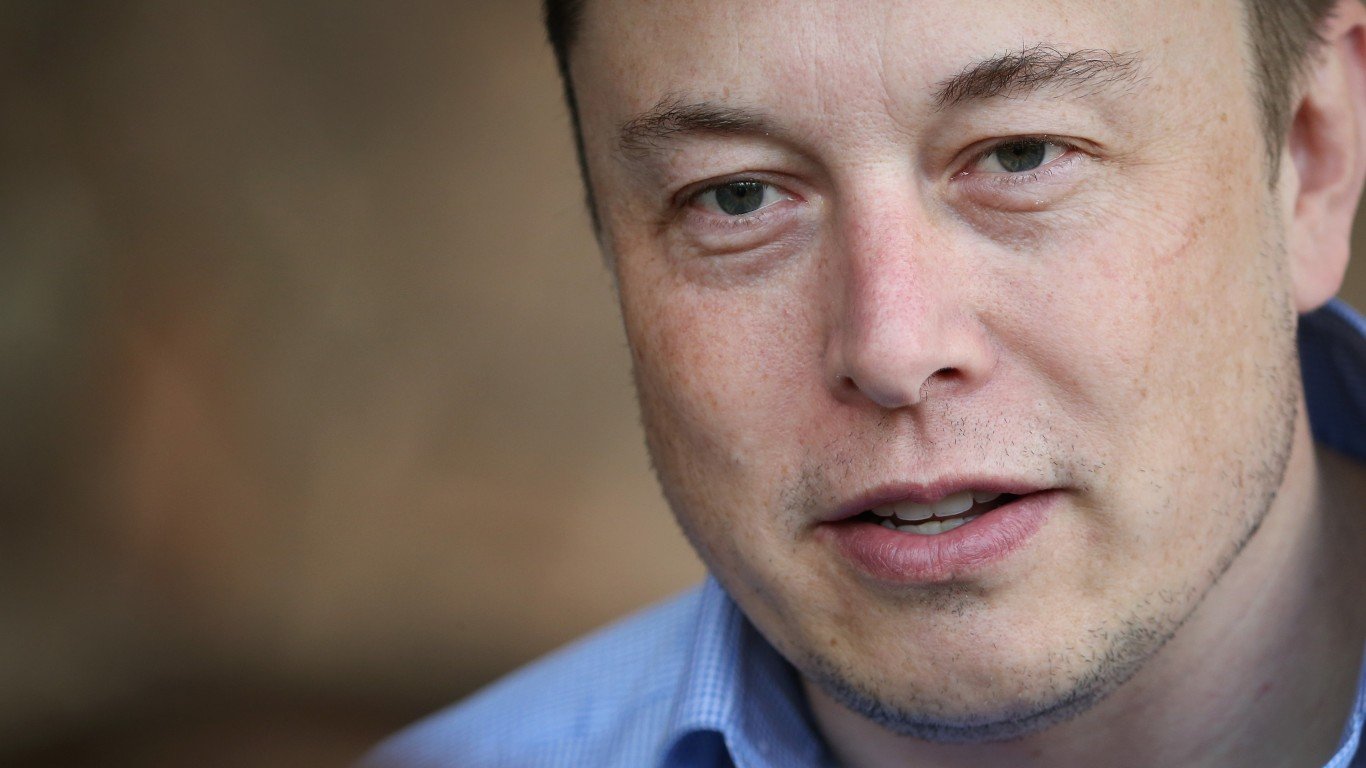
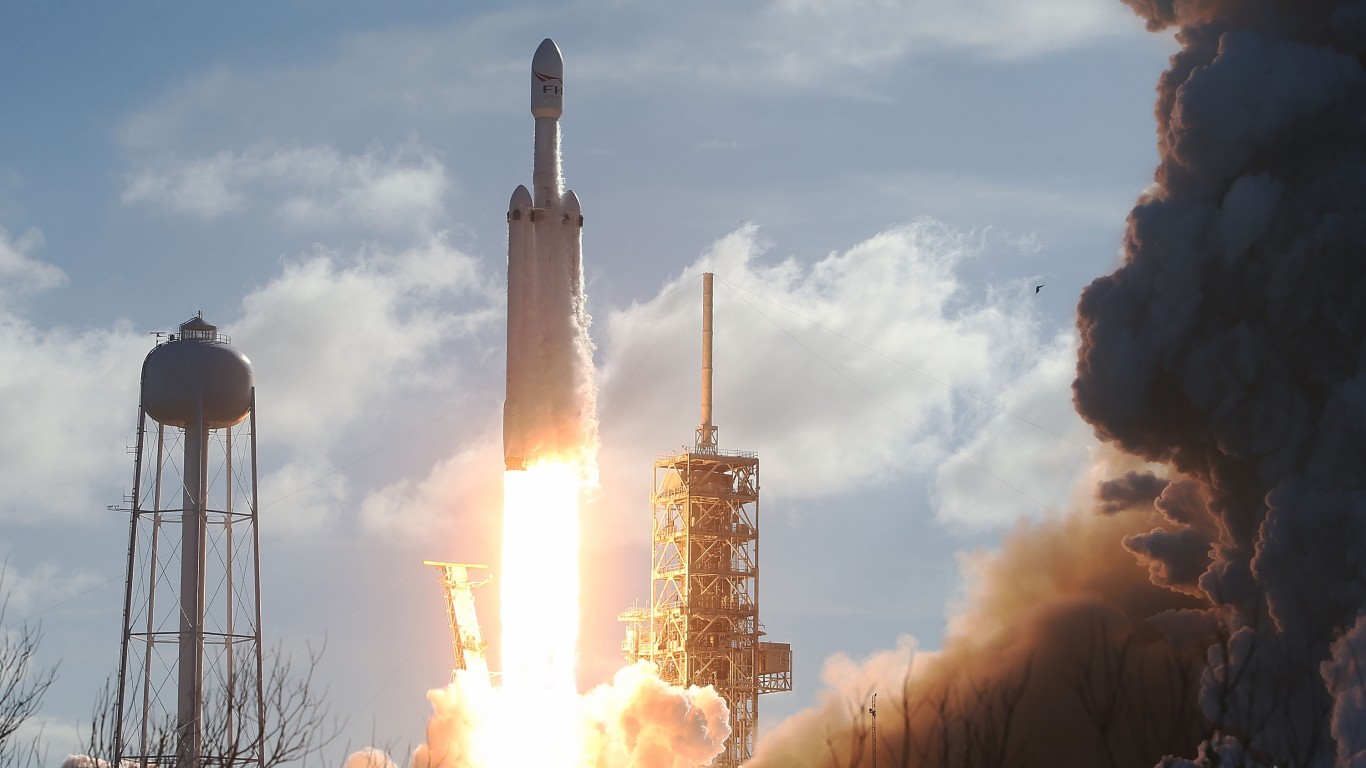
Tesla (NASDAQ:TSLA | TSLA Price Prediction) and SpaceX (NASDAQ:SPCX) both reported Q2 results this summer with the same message: spend now, profit later. Tesla is down 21.54% year to date. SpaceX trades 7.28% below its first recorded close of $160.95. A joint selloff would hit both businesses and Musk in different ways.
Tesla Spends on Autonomy While SpaceX Spends on Compute
Tesla grew revenue 25.5% to $28.24B on 480,126 vehicle deliveries. Non-GAAP EPS of $0.33 missed the $0.54 estimate. Operating margin fell to 1.4% as spending on AI, Optimus and Cybercab ramped up. Free cash flow of negative $1.09B reflects Musk’s call for “a massive CapEx year” in 2026.
SpaceX grew revenue 92% to $7.81B in its first quarter as a public company. AI revenue jumped 247% to $2.56B, and Starlink subscribers doubled to 12.0 million. Revenue per user fell from $85 to $66, with growth driven by volume. Capex reached $18.37B, with $15.83B for AI compute, ending the quarter with a $541M net loss.
| Lens | Tesla | SpaceX |
|---|---|---|
| Growth Engine | FSD and Robotaxi | AI cloud and Starlink |
| Cash | $43.5B | $93.52B |
| Weak Spot | Thin operating margin | Starship losses |
A SpaceX Drop Hits Tesla’s Earnings First
Tesla’s Q2 net income of $1.11B included a $1 billion mark-to-market gain on its SpaceX stake. A SpaceX drop would turn that gain into a loss hitting Tesla’s profit. Tesla also plans more than $25 billion in 2026 capex and is lining up as much as $30 billion in borrowing capacity. That debt would look larger next to a smaller market value.
SpaceX has more buffer. Its $25 billion investment-grade bond carries a 5.855% weighted rate and 11.7 years average maturity, so no near-term refinance pressure. The pending $60B Cursor deal is riskier, as nervous shareholders would examine integration. Joint projects like the Austin chip fab could face harder questions.
Musk’s Fortune Takes the Hit Twice
Altrata ranks Musk as the world’s wealthiest individual, briefly becoming the first trillionaire following the public listing of SpaceX. Much of that fortune sits in two stocks that tend to move together, so a joint drop would fell it from both sides. Polymarket traders price a 62.5% chance of a Tesla-SpaceX merger announcement by December 31, 2027.
Q3 Deliveries and Starship V3 Come Next
Watch Tesla’s Q3 deliveries. Traders give 475,000 to 500,000 vehicles the best odds at 63.5%. For SpaceX, monitor whether it reaches management’s $100 billion annualized revenue run-rate by December and whether Flight 14 puts V3 Starlink satellites into orbit.
Why SpaceX Looks Sturdier to Me in a Double Selloff
In a double selloff, SpaceX looks stronger. It holds $93.52B in cash and a $47.5B backlog. Tesla trades at a P/E near 367 on thin margins, leaving little earnings buffer. I would shift if FSD subscriptions at 1.48 million lift margins before capex peaks.
Contact [email protected] for any questions or corrections.
Alex Sirois is a financial writer with experience spanning both retail and institutional investing. He has written for InvestorPlace and held roles at BNY Mellon and Bernstein, giving him a perspective that bridges Main Street portfolios and Wall Street analysis.
Alex holds an MBA from George Washington University and has built his career across multiple industries, including e-commerce, education, and translation — a breadth of experience that informs how he breaks down complex financial topics for everyday investors. His writing is conversational, actionable, and grounded in long-term, buy-and-hold investing principles.
At 247 Wall St., Alex focuses on delivering analysis that is both accessible and useful, with a clear emphasis on helping readers make more informed decisions with their money.