America’s Critical Supply Chain Is Breaking
Sixteen trucking companies collapsed in under a month, and the forces driving them under are far from finished. What is happening inside America's freight industry could soon show up in your grocery bill, your delivery window, and your portfolio.

This post may contain links from our sponsors and affiliates, and Flywheel Publishing may receive compensation for actions taken through them.
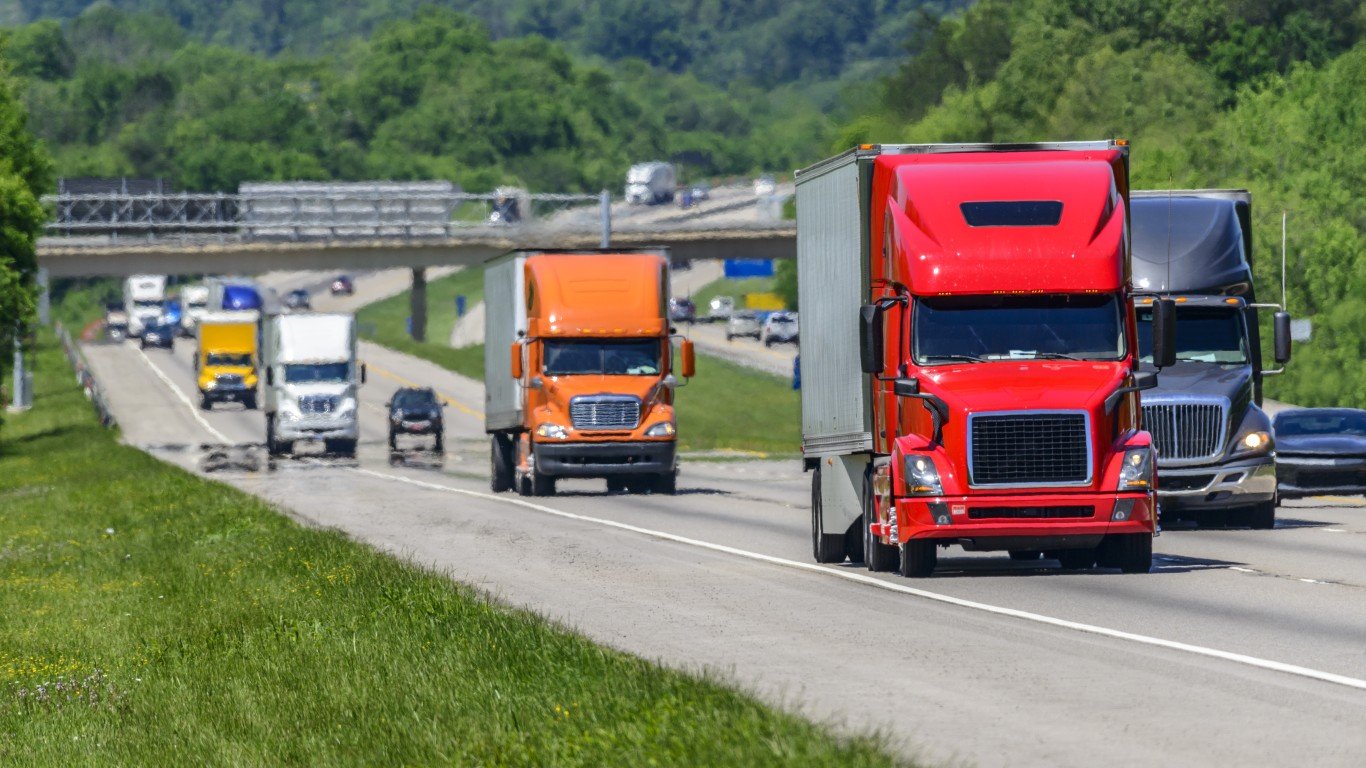
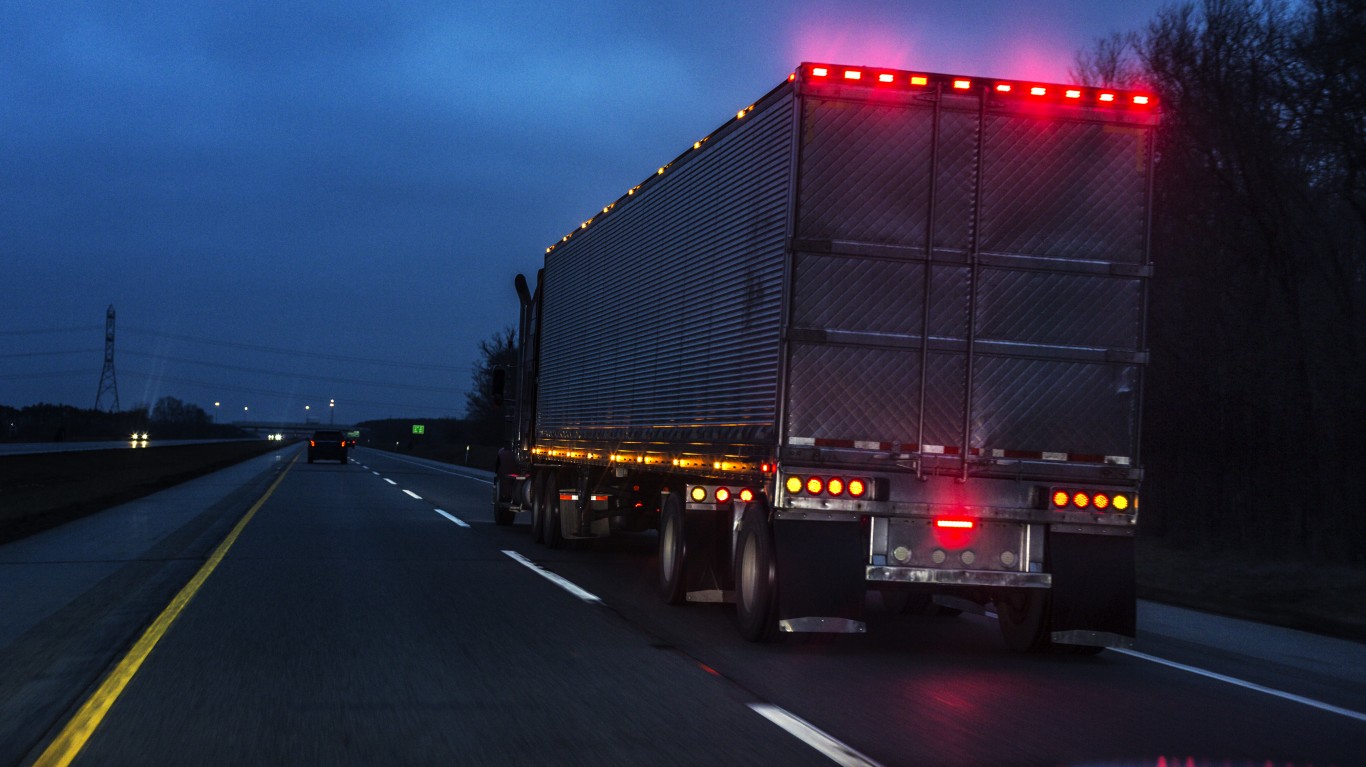
America’s economy runs on trucks. Nearly everything consumers purchase, from groceries and household essentials to construction materials and electronics, spends at least part of its journey traveling on the nation’s highways. Yet the companies responsible for keeping those goods moving are facing a growing financial squeeze.
Record diesel prices, rising insurance premiums, and higher maintenance expenses are colliding with freight rates that haven’t kept pace. Smaller operators, often working with little financial cushion, are particularly vulnerable. The consequences extend beyond trucking itself — threatening higher consumer prices, disrupted deliveries, and another source of inflation investors cannot afford to ignore.
America’s Trucking Industry Is Running Out of Road
The warning signs are becoming difficult to dismiss.
FreightWaves recently reported that at least 16 American trucking, delivery, and transportation companies filed for bankruptcy protection in less than a month, between late August and September 21.
The failures span everything from single-truck operators to regional fleets, suggesting the financial strain isn’t confined to one corner of the transportation industry.
Among the more notable filings:
| Company | Business/Financial Exposure |
| Xoco Transport | Over 40 tractors, 65 drivers, and 70 trailers |
| Globemaster | 51 trucks; up to $10 million in liabilities |
| Expedite Express | Historically operated 114 trucks and drivers |
| CLJ Transporting | 18 trucks and 30 drivers |
| RP Hay Hauling | Agricultural transportation; up to $10 million in liabilities |
| Mill Creek Logistics | Express delivery; up to $10 million in liabilities |
The inclusion of CLJ Transporting is particularly revealing. As an Amazon (NASDAQ:AMZN | AMZN Price Prediction) Delivery Service Partner, the Florida company helped handle last-mile deliveries — getting packages from distribution facilities to customers’ doorsteps. Its Chapter 11 filing listed up to $500,000 in assets against liabilities potentially reaching $1 million.
Meanwhile, Arizona-based RP Hay Hauling‘s bankruptcy illustrates how the financial distress extends into agricultural supply chains, not just consumer deliveries.
Importantly, Chapter 11 doesn’t necessarily mean these companies have stopped operating. It allows them to restructure their debts. Several smaller carriers, however, have filed for Chapter 7 liquidation.
Diesel Prices Are Breaking the Business Model
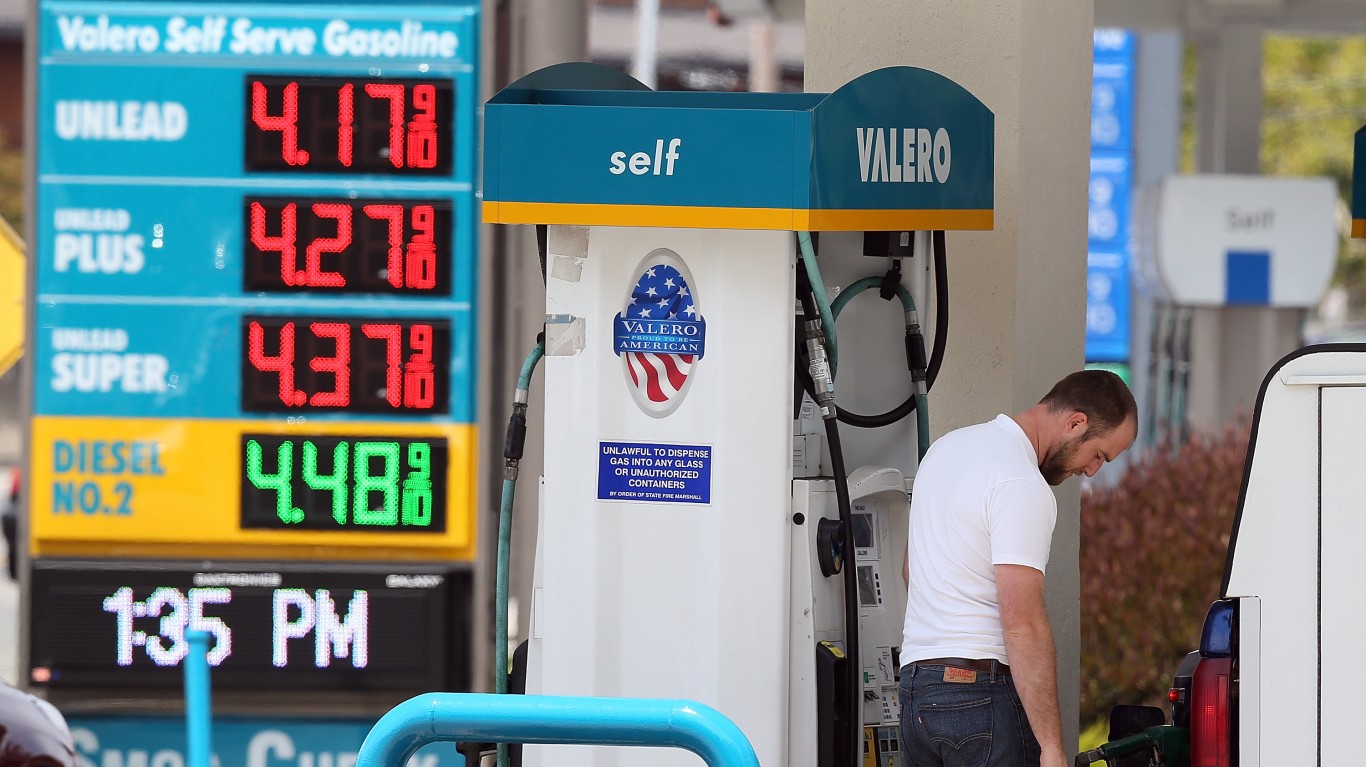
Diesel fuel prices are at record highs. On the day of the FreightWaves report, the national average price of diesel fuel hit an all-time record high of $6.53 a gallon, according to AAA. Although the per-gallon cost has eased slightly since to $6.39, it still remains well above the norm. Just one month ago, diesel fuel cost $5.63 a gallon, while it stood at $3.71 last year. That’s a 72% increase in just 12 months.
A truck consuming 100 gallons daily incurs another $100 in operating expenses for every $1 increase in diesel prices. Across a 40-truck fleet operating five days weekly, that’s an additional $20,000 in weekly fuel costs alone.
Carriers can attempt to pass those expenses along through higher freight rates, but competitive pricing limits their flexibility. Worse, higher insurance, equipment, and maintenance costs don’t disappear when trucks sit idle.
It’s a vicious cycle. Carriers need higher shipping rates to survive, but customers facing their own financial pressures resist paying them.
As weaker operators disappear, surviving carriers may eventually gain pricing power. Unfortunately, that relief could come directly from consumers’ wallets.
Key Takeaway
In short, America’s supply chain isn’t collapsing, but it may be approaching a breaking point, especially for smaller transportation operators who are showing unmistakable financial distress.
For investors, that’s important. Larger, diversified logistics operators such as United Parcel Service (NYSE:UPS), FedEx (NYSE:FDX), J.B. Hunt Transport Services (NASDAQ:JBHT), and GXO Logistics (NYSE:GXO) warrant attention because their scale, established customer relationships, and fuel-surcharge mechanisms provide advantages smaller competitors often lack, though none is immune to weakening freight demand or higher operating expenses.
America still needs its freight delivered. Trucking is the critical link in the entire supply chain. The question is increasingly becoming which companies will remain financially capable of delivering it.
Contact [email protected] for any questions or corrections.
After two decades of patrolling the dark corners of suburbia as a police officer, Rich Duprey hung up his badge and gun to begin writing full time about stocks and investing. For the past 20 years, he’s been cruising the markets looking for companies to lock up as long-term holdings in a portfolio while writing extensively on the broad sectors of consumer goods, technology, and industrials. Because his experience isn’t from the typical financial analyst track, Rich is able to break down complex topics into understandable and useful action points for the average investor. His writings have appeared on The Motley Fool, InvestorPlace, Yahoo! Finance, Money Morning, and, of course, 24/7 Wall St. He has been featured in both U.S. and international publications, including MarketWatch, Financial Times, Forbes, Fast Company, and USA Today.