First Solar Climbs 4% as Truist Buy Call and December Tariff Floor Reset Panel Pricing Outlook; Enphase Energy and Sunrun Hold Flat
A Truist upgrade and a December trade decision are pulling First Solar in one direction while the rest of the solar sector barely budges, and the reason why splits the group into a set of clear winners and losers.

Tariff policy is splitting the solar group into winners and losers. First Solar (NASDAQ:FSLR | FSLR Price Prediction) stock is up 4% to $186.21 this afternoon. The gain follows a Truist Securities upgrade and a Section 232 trade decision that sets a floor under imported panel pricing.
First Solar stock is still down 29% year to date despite the rally, so the move starts from a low base. Sector-wide strength looks far narrower than that headline gain. Over in the solar fund space, the Invesco Solar ETF (NYSEARCA:TAN) is up 1%, indicating a much smaller advance than the one in First Solar stock.
The broad-market tone is softer, as the SPDR S&P 500 ETF Trust (NYSEARCA:SPY) is down by only 0.2%. Meanwhile, Enphase Energy (NASDAQ:ENPH) stock is at $31.42, down just 0.2% but also trailing First Solar stock today. At the same time, Sunrun (NASDAQ:RUN) stock trades at $7.61, up 0.3%, marking just a fraction of FSLR stock’s gain.
Truist Upgrade and Section 232 Floor Lift First Solar
Truist Securities analyst Christopher Souther upgraded First Solar stock to Buy from Hold in the prior session and raised his price target to $270, citing “a stronger backdrop for pricing into the 2030s and a recent valuation reset.” Souther also lifted his estimate for U.S. module average selling prices at the end of the decade, along with his revenue and EBITDA forecasts for that period. He argued that First Solar can stay competitive against domestic crystalline silicon manufacturing on a lower cost base per watt, excluding tax credits.

The U.S. Department of Commerce’s Section 232 trade decision takes effect in early December and sets a minimum import price plus tariffs of 44 cents a watt on foreign crystalline silicon modules. A separate Commerce Department rule restricts foreign suppliers from stocking modules ahead of that date. Timing is the catch, since Souther said First Solar’s backlog has largely set its near-term pricing, with its U.S. Series 7 capacity sold out through 2028, so the benefit may show up later, in bookings for the end of the decade.
Domestic Module Maker Sits Closest to the Import Floor
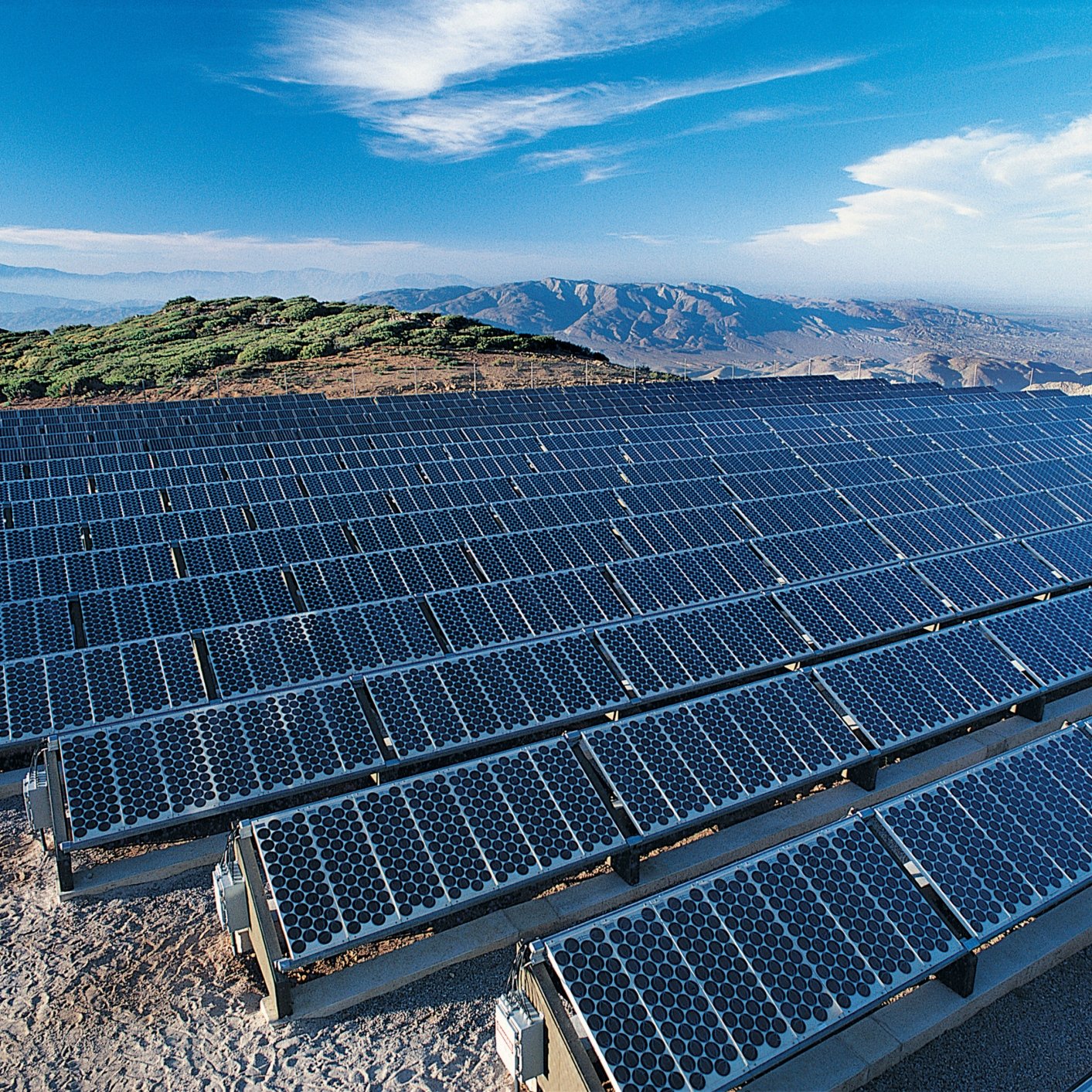
First Solar manufactures thin-film modules in the U.S. and sells them to utility-scale developers under multi-year contracts. An import price floor on crystalline silicon panels reaches that business directly, because it sets a minimum on what rival foreign modules can cost. Its thin-film cadmium telluride technology also keeps it independent from Chinese crystalline silicon supply chains.
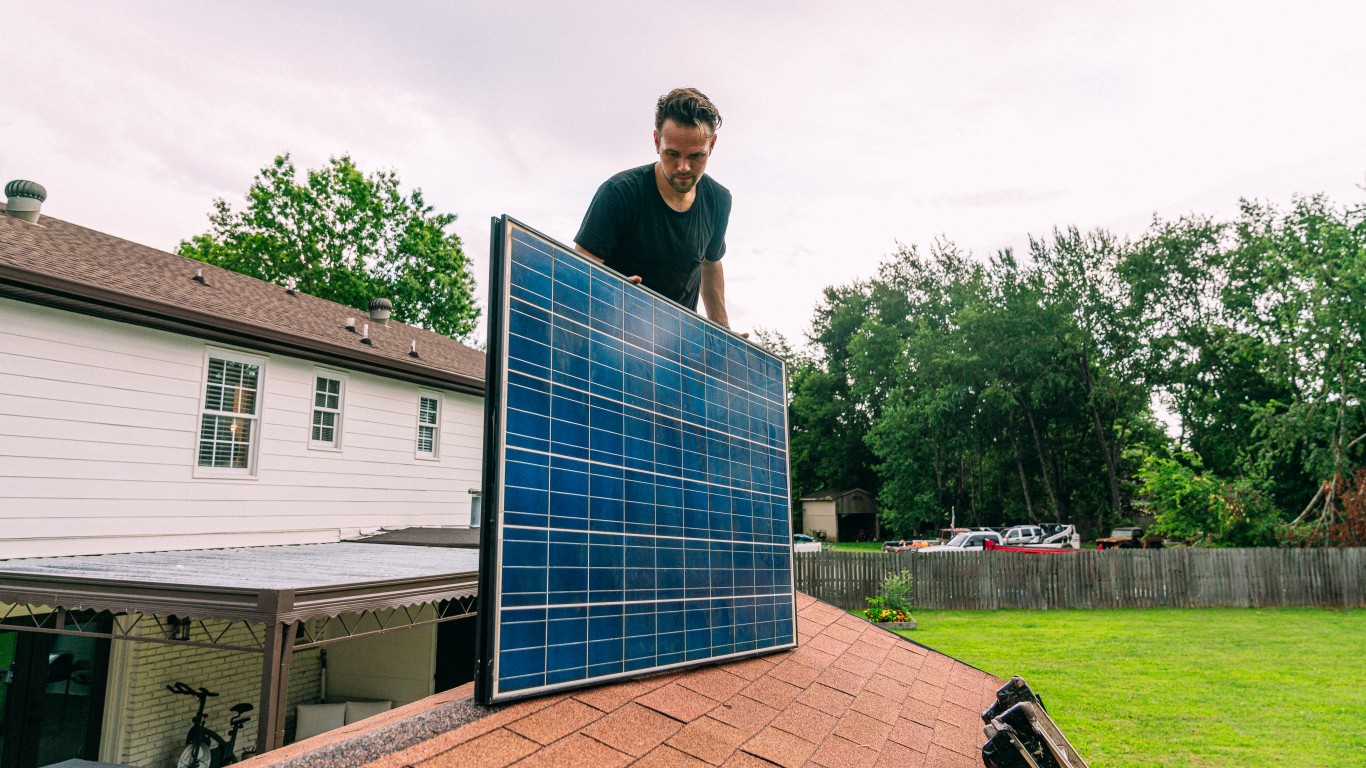
Enphase makes microinverters, and Sunrun installs and finances rooftop systems. Neither manufactures the modules the tariff decision prices, matching the split in trading. Enphase bulls cite its push into AI data center power equipment; bears point to falling revenue amid a residential slump. Sunrun bulls note record storage attachment, while bears flag its cut full-year guidance and slower subscriber additions.
The bull case for First Solar holds that a floor under imported panels protects its pricing over a multiyear stretch, which is the argument behind the upgrade. Supporters can point to First Solar stock trading at a forward P/E ratio of 8x as backing for the valuation reset Souther noted. A domestic fleet with little open capacity strengthens First Solar’s hand when it negotiates bookings for later years.
Skeptics see the same order book as the weak spot. With near-term pricing already locked in, the benefit sits years out, leaving room for enthusiasm to cool before higher-priced contracts reach reported results.
What to Watch Next
The question now is whether First Solar stock holds its gain into the close and whether other analysts follow Truist. New contract announcements showing pricing could test Souther’s end-of-decade thesis ahead of any revenue impact.
Since the tariff benefit sits years out, investors may want to adjust their First Solar stock holdings with that delay in mind and limit their exposure to installers that gain little from the floor.
Contact [email protected] for any questions or corrections.
David Moadel is financial writer specializing in stocks, ETFs, options, precious metals, and Bitcoin. David has written well over 1,000 articles for leading online publications, helping investors understand markets, income strategies, and risk.His work has appeared in The Motley Fool, InvestorPlace, U.S. News & World Report, TipRanks, ValueWalk, Benzinga, Market Realist, TalkMarkets, Finmasters, 24/7 Wall St., and others.With a master’s degree in education, David has taught at the elementary, high school, and college levels. That teaching background shapes his writing style: clear, educational, and practical. David has also built a loyal social-media audience by providing trustworthy financial content on YouTube, X/Twitter, and StockTwits.