Tesla Just Won in Court: Self-Driving Buyers Can’t Sue as a Class
A federal appeals court just stripped away the legal structure that made a massive self-driving lawsuit dangerous for Tesla, but the stock fell anyway, and the real threat to its trillion-dollar valuation has nothing to do with this courtroom.

On October 16, 2026, the US Court of Appeals for the Ninth Circuit reversed the class certification orders in LoSavio v. Tesla (No. 25-7927). The suit claims Tesla (NASDAQ:TSLA | TSLA Price Prediction) falsely advertised that cars sold since October 2016 had the hardware needed for full self-driving.
Circuit Judges Ronald Gould, Jay Bybee and Daniel Bress sent the case back to US District Judge Rita Lin, who had certified three classes of California buyers. Class status turns thousands of small claims into one large liability, so losing it cuts Tesla’s exposure in this case.
The stock fell anyway, closing at $354.72, down 2.13% in a move that tracked a broader tech selloff rather than the ruling. For a company valued at $1.40 trillion, the open question is whether self-driving software and robotaxis deliver the revenue that valuation assumes.

What the Ninth Circuit Actually Decided
The panel found that individual questions about what each buyer saw before purchase made class treatment inappropriate. The challenged statement sat on Tesla’s Autopilot page. Buyers did not have to visit that page to complete a purchase, so plaintiffs could not show every class member was exposed to it.
The order reversed two damages classes and one injunctive-relief class. The ruling addresses class status only; the court made no finding on whether Tesla’s hardware claims were true, and the case continues before Judge Lin.
The memorandum is unpublished, so under Ninth Circuit Rule 36-3 it holds no other case. Plaintiffs’ lawyers said, “we think the panel did not fully appreciate the unique circumstances here.” Tesla has denied the claims and did not immediately respond to a request for comment.
Why Losing Class Status Shrinks the Threat
Few buyers will hire a lawyer to recover the cost of a software package alone, because the legal bills would exceed the claim, but a class pools those claims and that pooling is where the financial pressure comes from.
Individual buyers can still sue, and plaintiffs can try to certify a narrower class of buyers who can show they saw the statement. That group would be smaller and harder to prove.
The exposure reasoning likely reaches further. Advertising claims built on pages buyers had to seek out will struggle to proceed as classes, while claims tied to material every buyer saw would stand on stronger ground.
How Much This Matters for Tesla
Potential damages in this case were never disclosed, so the savings cannot be sized. The business itself runs on current subscribers, with 1.48 million active FSD subscriptions in the second quarter of 2026.
That quarter brought revenue of $28.24 billion, but non-GAAP EPS of $0.33 missed the $0.5367 estimate, and free cash flow was -$1.092 billion. The shares trade at 369 times earnings. The stock fell to $353.50 after hours, sits closer to its 52-week low of $297.38 than its high of $498.83, and has returned -21.12% in 2026 and -7.31% over the past week.
What Third-Quarter Results Need to Show
Tesla is scheduled to report after the close on October 21. Investors will look for FSD subscription growth, unsupervised robotaxi rides spreading beyond Austin, and recovery from the 1.4% operating margin of the second quarter.

What Could Change the Outlook for Tesla Shares
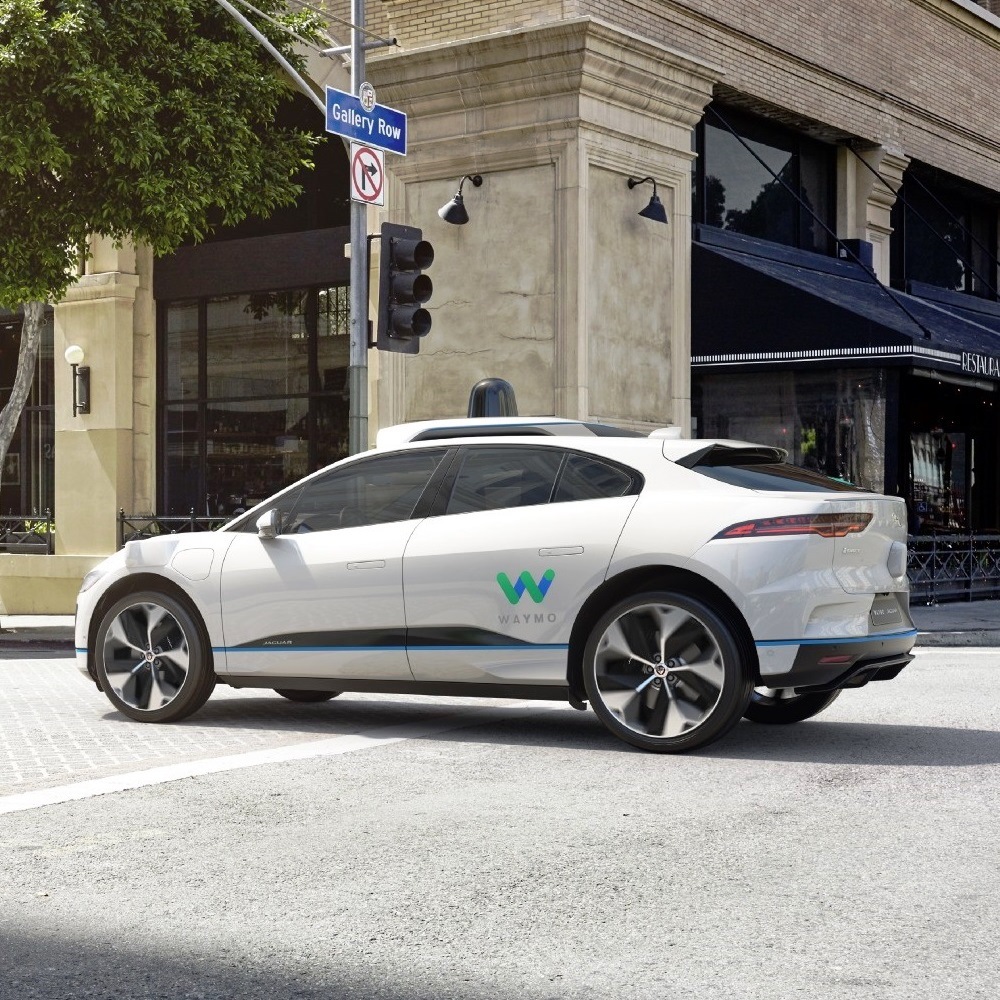
The ruling removes one legal uncertainty, but the valuation still requires self-driving and robotaxi revenue far beyond what the reported numbers show, and shrinking margins, negative free cash flow, and an earnings miss make that premium hard to defend before third-quarter results arrive. One contrast is Alphabet (NASDAQ:GOOG, NASDAQ:GOOGL), whose Waymo unit runs driverless rides inside a company funded by profitable search and cloud businesses.
This bearish view would weaken if the October 21 report shows operating margin clearly above the second quarter’s level alongside new unsupervised robotaxi markets. If the margin stays flat, watch for the shares to test the $297.38 low.
Contact [email protected] for any questions or corrections.
Omor Ibne Ehsan is a writer at 24/7 Wall St. He is a self-taught investor with a focus on growth, cyclical, and dividend equities that have strong fundamentals, value, and long-term potential. He also has an interest in high-risk, high-reward investments such as penny stocks.