Taiwan Semiconductor Wants In on SpaceX’s Terafab — but Only If It Runs the Fab
TSMC's CEO confirmed talks with SpaceX over the massive Terafab chip plant, but drew a hard line that could blow up the deal before it starts. Elon Musk has a very different idea about who runs the place.

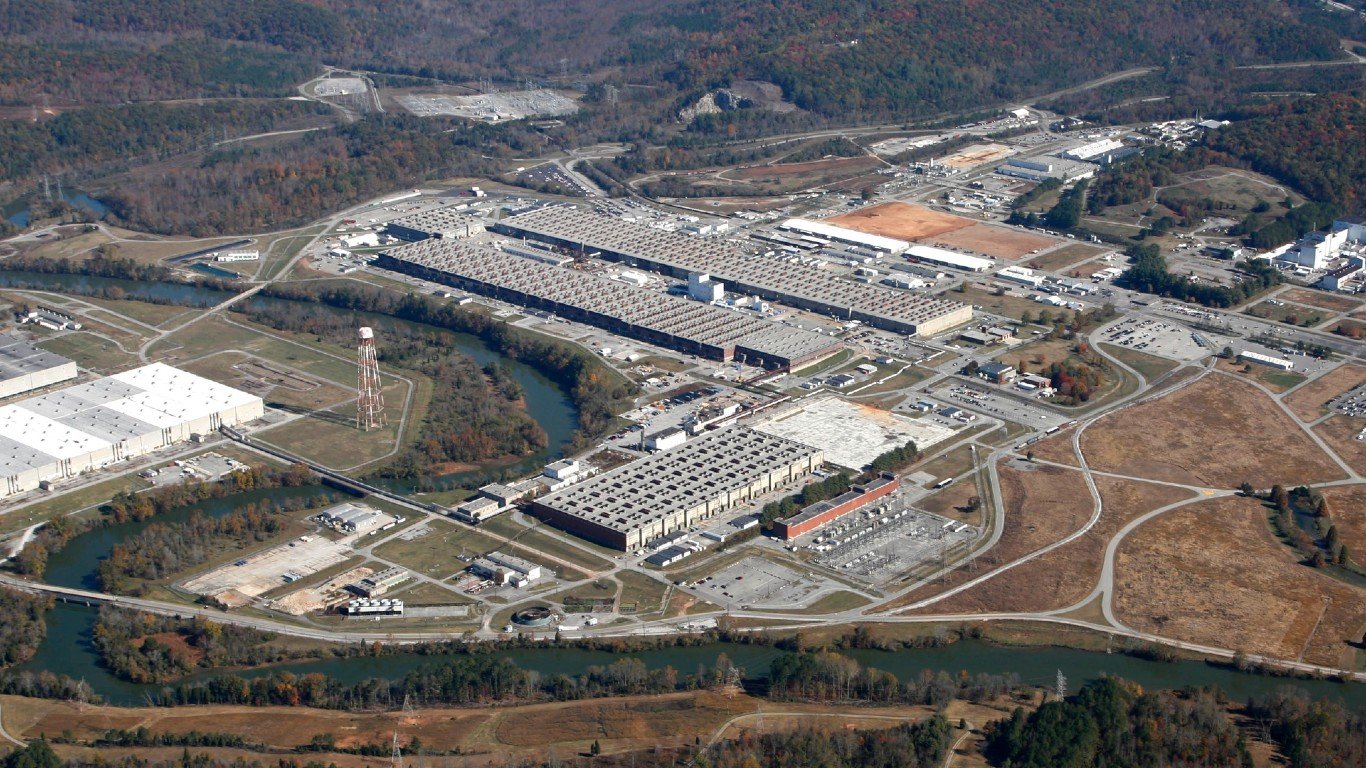
Taiwan Semiconductor (NYSE:TSM | TSM Price Prediction) confirmed on its October 15, 2026 third-quarter earnings call that it is in talks with SpaceX (NASDAQ:SPCX) about the Terafab chip plant. CEO C.C. Wei also set one firm condition: TSMC has to operate the fab.
Wei Sets the Terms for Terafab
Wei said TSMC is “talking to one of our customers who is trying to build a fab, Terafab, let me be more specific,” and is checking whether it could use that capacity. An analyst asked whether the facility would be TSMC-owned. Wei did not commit to an ownership structure: “We are still in discussion, let me say that. Either way it would be possible.” He was clear that a Texas plant “must be run by TSMC.”
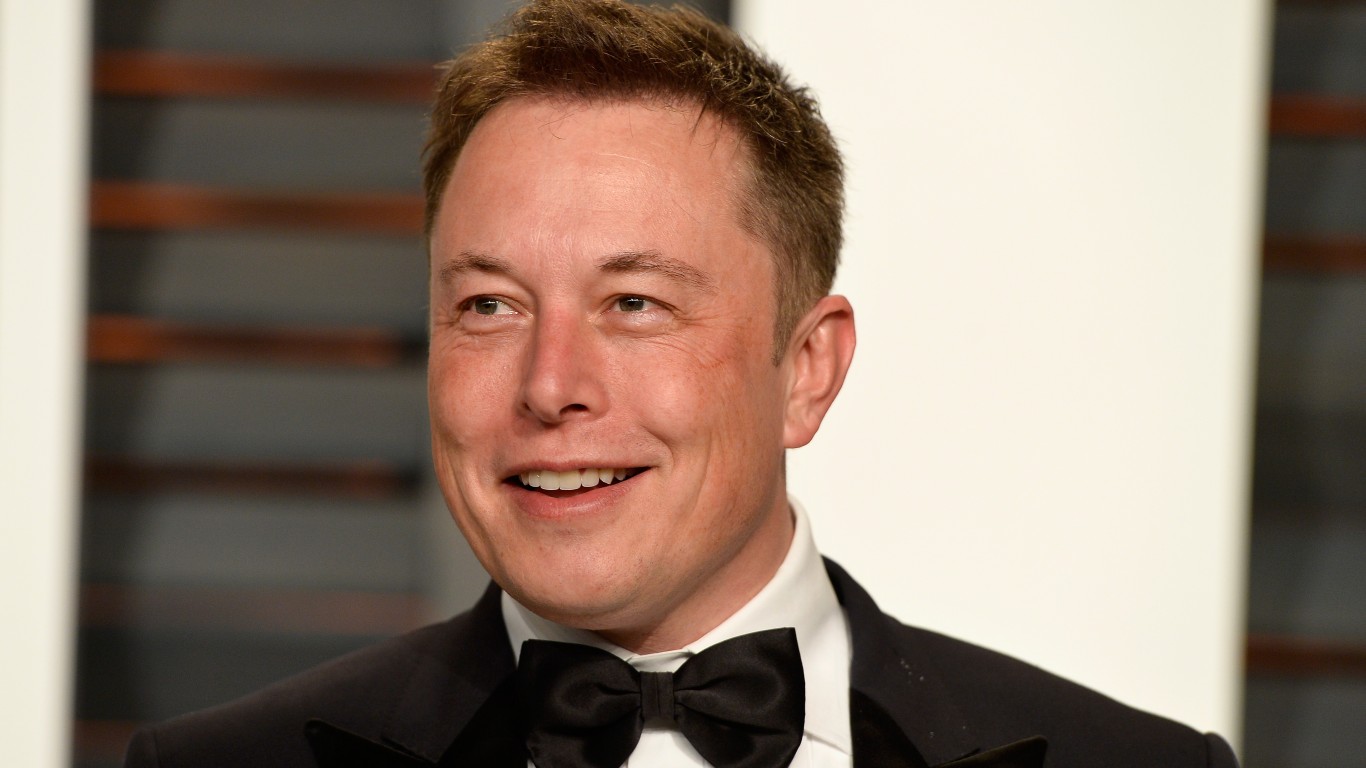
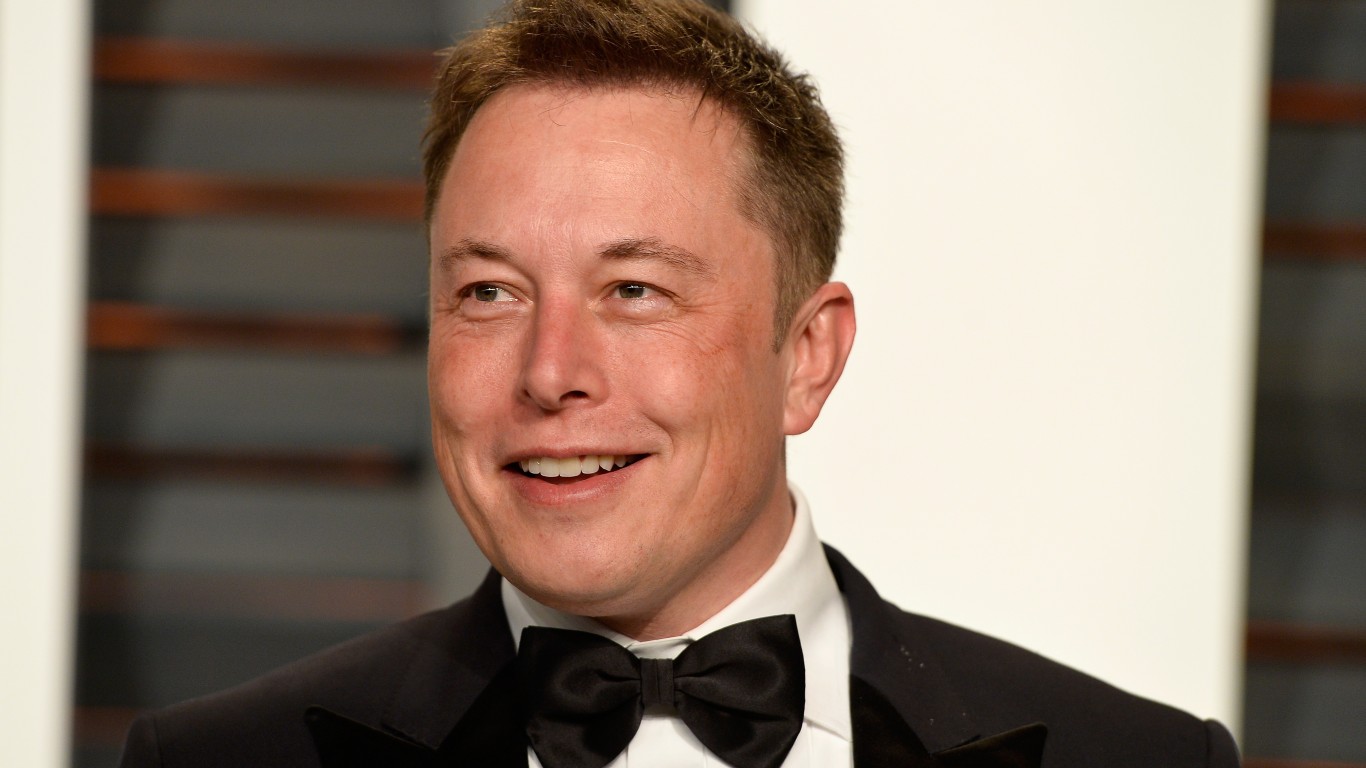
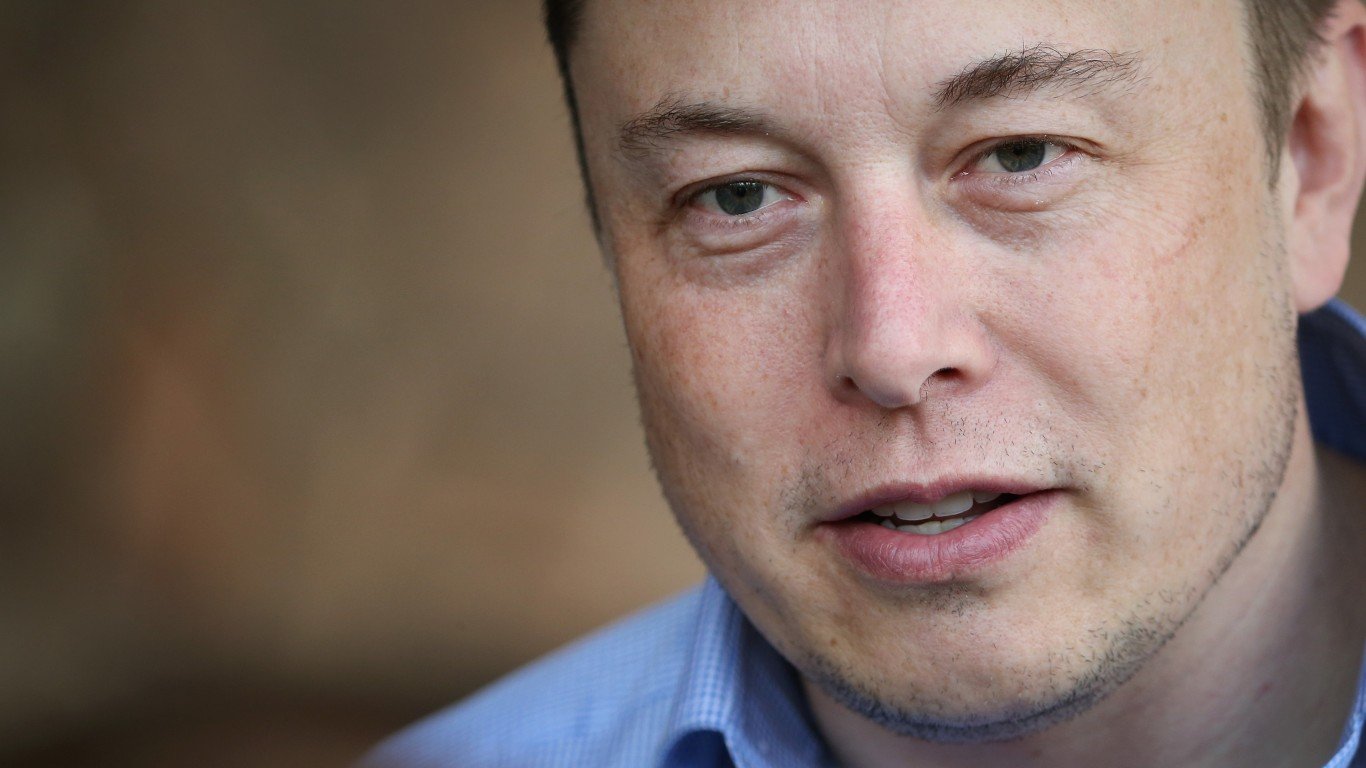
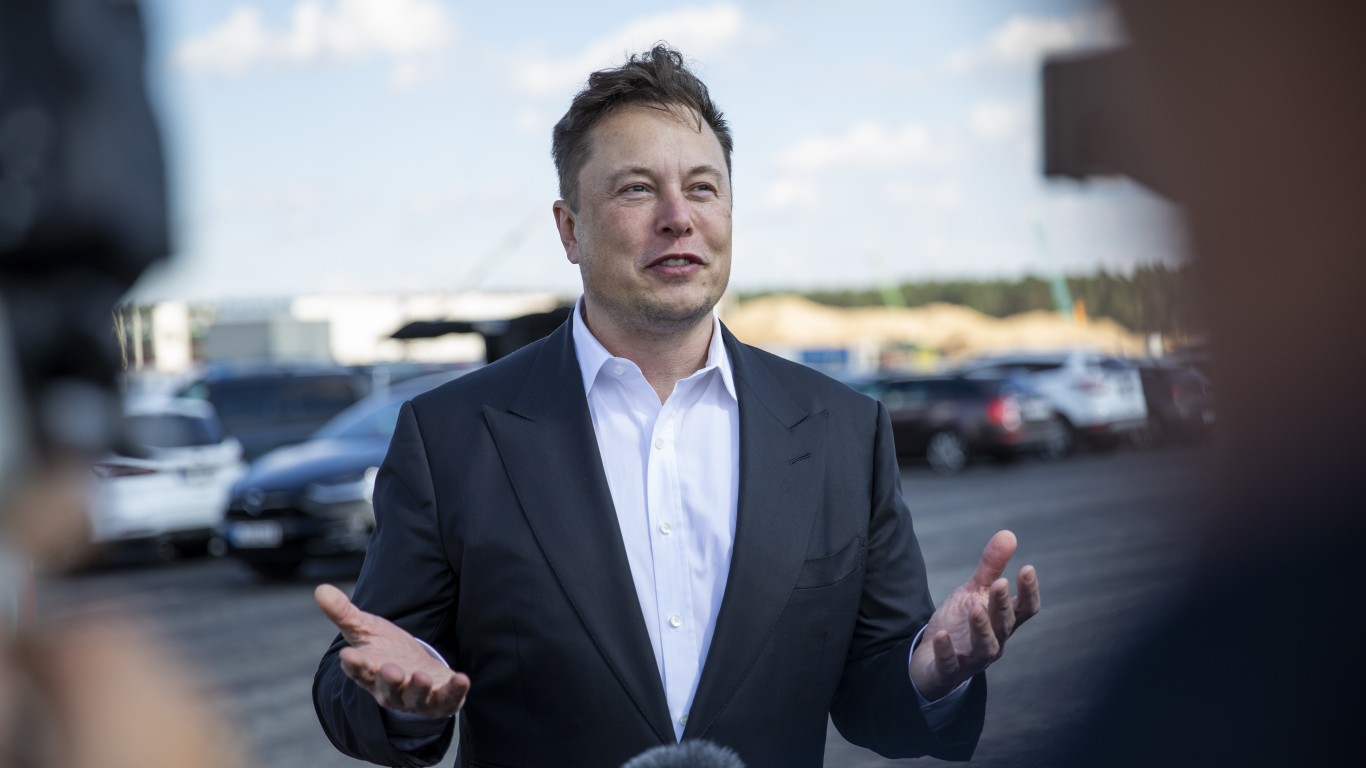
That puts him at odds with Elon Musk. Earlier this month, Musk confirmed on X that the two companies had talked, but he wrote “we will build and run the fab,” with TSMC at most subleasing part of the facility.
U.S. Customers Are Pushing TSMC Toward Texas
“We work very hard to expand our capacity in the U.S. This is necessary because most of our large customers are in the U.S., and they request TSMC to increase the capacity,” Wei said, adding, “We sent the teams to Texas to do all the evaluation.”
The numbers support his case. Third-quarter revenue reached $46.72B at a 66.4% gross margin. HPC revenue rose 22% quarter over quarter to 68% of revenue. Fourth-quarter guidance is $52.3B to $54.3B, and full-year revenue is expected to grow about 44%.
Running the Fab Protects TSMC’s Margins
Wei’s demand for operating control fits with what U.S. plants cost TSMC. Management said overseas fabs will reduce gross margin by about 2% for full-year 2026, and that hit could grow to 3%-4% over the next few years. Capex guidance remains at $60 billion to $64 billion. Wei also made clear TSMC wants every order it can get: “We have no intention to leave food on the table for others.”
SpaceX Needs More Chips
SpaceX’s need for chips is large and growing. In the second quarter, its AI segment revenue rose 247% to $2.56B, and $15.83B of its $18.37B in capex went into AI computing. On that call, Musk said, “Our understanding within NVIDIA is that we will receive a very small percentage of their GPUs next year.” All of that AI expansion still has to be powered, cooled, and networked by someone, and we rounded up seven suppliers riding that wave in a free report on the non-chip side of the AI boom.
Next Steps for Investors
Earnings per share came in at $4.60, ahead of the $4.46 consensus. Even so, TSM shares fell 3.05% to $416.90 in morning trading and are down 11.71% over the past week. SPCX fell 3.61%. Wei said TSMC has “been prudent in our business planning going into 2027.” On Terafab, he promised more details later: “If we have any solid conclusion, we will share with you.” The open question is who would run the fab, and any deal will have to settle it.

Contact [email protected] for any questions or corrections.
After two decades of patrolling the dark corners of suburbia as a police officer, Rich Duprey hung up his badge and gun to begin writing full time about stocks and investing. For the past 20 years, he’s been cruising the markets looking for companies to lock up as long-term holdings in a portfolio while writing extensively on the broad sectors of consumer goods, technology, and industrials. Because his experience isn’t from the typical financial analyst track, Rich is able to break down complex topics into understandable and useful action points for the average investor. His writings have appeared on The Motley Fool, InvestorPlace, Yahoo! Finance, Money Morning, and, of course, 24/7 Wall St. He has been featured in both U.S. and international publications, including MarketWatch, Financial Times, Forbes, Fast Company, and USA Today.