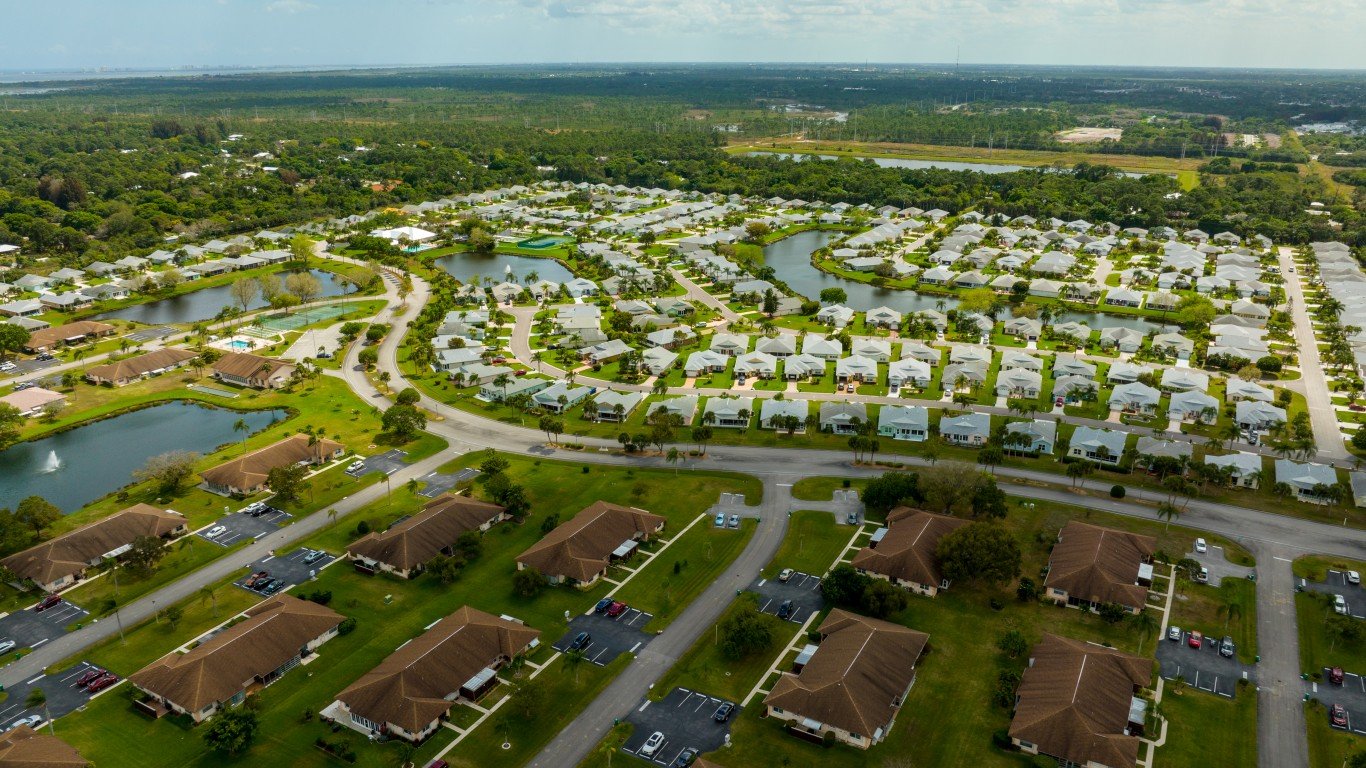
The Retirees Who Left The Villages for Good Say the Third Year Was When the Math Stopped Working
Plenty of retirees ran the numbers before moving to The Villages and felt confident. Then year three arrived with a bill they never saw coming, and the math they had trusted fell apart.

This post may contain links from our sponsors and affiliates, and Flywheel Publishing may receive compensation for actions taken through them.
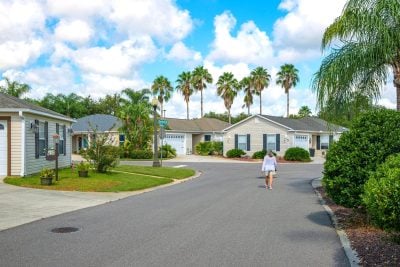
Moving to The Villages puts a retirement budget under steady cost pressure, with much of that pressure being mechanical. Several costs in The Villages hit on a delay, meaning surprise costs can appear in your first year or in your third.
What a Villages Budget Costs When Every Line Shows Up
Florida’s cost-of-living reading stands at 103.414, above the national benchmark of 100, so living costs in Florida run above the national average. The Villages also adds its own charges. New buyers pay an amenity fee of roughly $204 per month. The fee is a deed covenant, adjusts annually with CPI, and the standard covenant sets no ceiling. Community Development District bond and maintenance charges usually run $1,600 to over $6,000 per year. A working budget for a couple in a modest home could look something like this:
| Line item | Annual cost |
|---|---|
| Property tax, insurance, utilities, maintenance | $14,000 |
| Amenity fee | $2,448 |
| CDD bond and maintenance (assumed, within the referenced range) | $3,000 |
| Food at home and dining out | $12,000 |
| Healthcare premiums and out of pocket | $10,000 |
| Car and fuel | $6,000 |
| Golf cart replacement reserve (assumed) | $2,500 |
| Recreation, travel, clubs, gifts (assumed) | $12,000 |
| Reserves and federal tax on withdrawals | $6,000 |
| Total | $67,948 |
The SSA estimates the average couple with both spouses collecting will receive $3,355 a month once the 3.6% 2027 COLA takes effect. That works out to about $40,260 a year and leaves a gap of roughly $27,700. A 30-year horizon with an uncapped fee escalator calls for 3.5% per year, which puts the portfolio target near $791,000. Drawing 4% lowers the target to about $692,000, but that leaves very little room for the costs described below.
Why Year Three Is When the Budget Breaks
Medicare sets income-related premiums using your tax return from two years earlier. The move year is usually the highest-income year a retiree will ever have. Gains on the old house above the sale exclusion count as income. So do traditional IRA withdrawals used for a cash purchase or for two golf carts, which run $15,000 to $25,000 each.
Let’s say joint income tops $218,000. This means that each spouse’s Part B premium would then rise from $202.90 to $284.10 a month, and Part D adds a $14.50 surcharge. For the couple, that comes to about $2,300 a year. Above $274,000, the extra cost increases to roughly $5,800.
That bill arrives in year three, after the move-in cash is already gone. By then, the amenity fee has also gone up twice. CPI rose about 3.7% over the 12 months through September. You can ask Medicare to lower the surcharge if you stopped working, but a one-time capital gain or a large IRA withdrawal does not qualify (we mapped out IRMAA and the other premium traps retirees miss in a free Medicare guide here). If you add a first-tier surcharge year to the gap, the target rises to about $857,000. Setting the surcharge aside as a one-time cash reserve costs less.
Property Tax Relief Leaves Villages Charges Intact
Florida’s Amendment 3 would raise the homestead exemption on non-school levies to $150,000 in 2027 and $250,000 in 2028. At the statewide average rate, Florida TaxWatch estimates savings of $1,035 and $2,085. The amenity fee, CDD bond, and maintenance charges are billed per parcel instead of on assessed value, so a larger exemption doesn’t reduce them.
Leaving also costs money: In Sumter County, 34.5% of listings have taken price cuts, homes average 71 days on the market, and resale homes compete with the developer’s new sections.
What It Takes to Stay Past Year Three
A couple with average benefits needs a budget of about $68,000, Social Security of roughly $40,000, and a portfolio of about $800,000. That portfolio has to cover a 3.5% draw and still keep pace with inflation. A cash reserve outside it would cover one year of possible surcharges plus six to twelve months of expenses in case a sale takes longer than expected. If benefits are below average, the portfolio needs to be larger than $800,000.
The tax return you file for the move year sets your Medicare bill in year three. Paying for the purchase with home-sale proceeds that fall within the exclusion, spreading IRA withdrawals over several tax years, and keeping joint income under $218,000 keeps the third year in line with the first two.
Contact [email protected] for any questions or corrections.
David Beren has been a Flywheel Publishing contributor since 2022. Writing for 24/7 Wall St. since 2023, David loves to write about topics of all shapes and sizes. As a technology expert, David focuses heavily on consumer electronics brands, automobiles, and general technology. He has previously written for LifeWire, formerly About.com. As a part-time freelance writer, David’s “day job” has been working on and leading social media for multiple Fortune 100 brands. David loves the flexibility of this field and its ability to reach customers exactly where they like to spend their time. Additionally, David previously published his own blog, TmoNews.com, which reached 3 million readers in its first year. In addition to freelance and social media work, David loves to spend time with his family and children and relive the glory days of video game consoles by playing any retro game console he can get his hands on.