Apple Could Lose Its $5 Trillion Valuation as iPhone Duo Screens Crack
Apple's first foldable iPhone started cracking within days of launch, and the timing could not be worse for a company balancing a $5 trillion valuation on a razor-thin cushion.


Apple’s first foldable phone has just reached customers, and on October 26, 2026, the company admitted that some units are breaking at the fold.
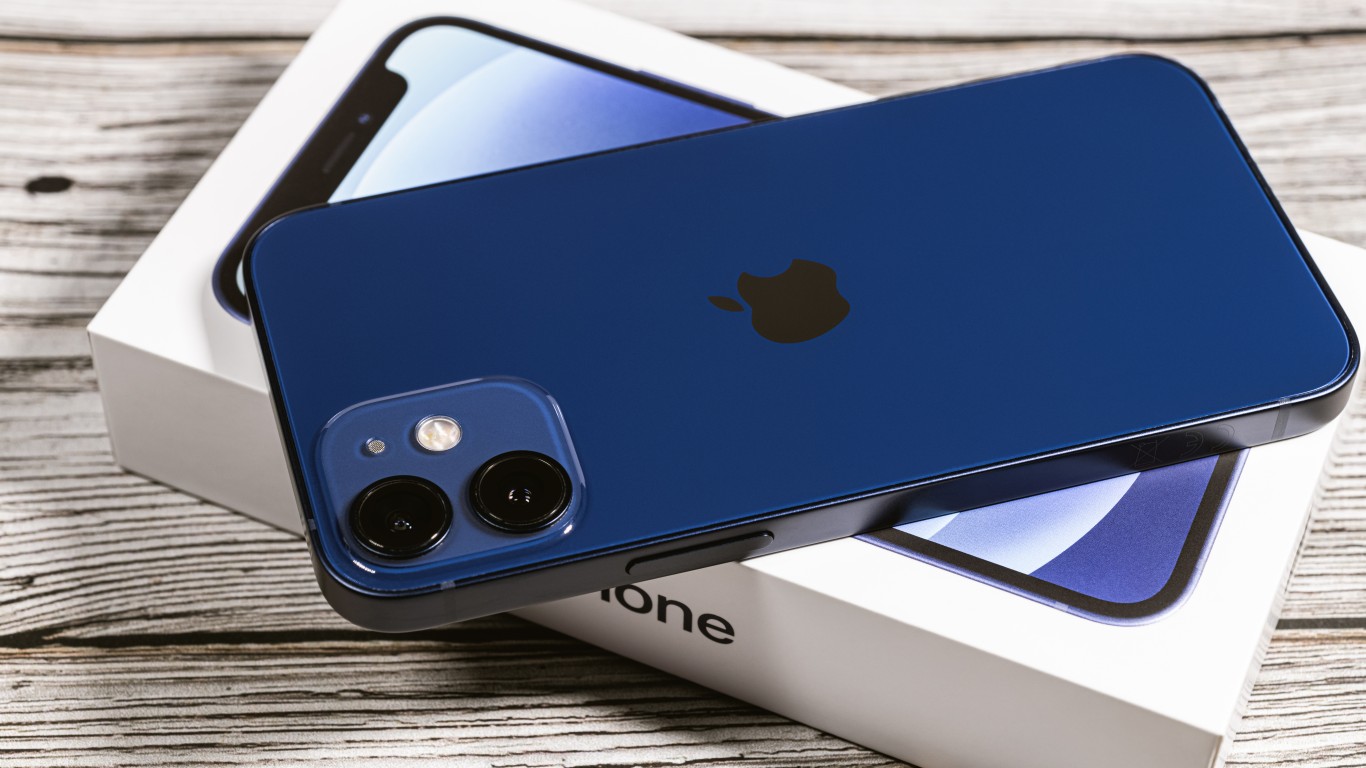
Apple (NASDAQ:AAPL | AAPL Price Prediction) confirmed a defect in the inner folding display of the $1,999 iPhone Duo. The phone reached stores on October 23, after preorders sold out within minutes on October 16.
Shares fell 1.1%, or $3.81, to $343.91, then traded at $343.64 after hours. Part of that decline came from a bearish Jefferies note ahead of earnings and from a reaction to a pricier iPad mini, so the cracks add a new drag on pressure that was already there.
Apple is worth $5.019 trillion. That is roughly $19 billion above the $5 trillion mark it first closed above on October 14, 2026, at $342.96 a share.
A slide of about 0.4%, to near $342.60, would wipe out that buffer. Apple remains above that level, although routine headline risk is now likely enough to push it below.
What Apple Admitted, and What It Left Out
Apple’s statement read: “We are aware of an issue impacting the inner display on a small number of iPhone Duo units. If users experience issues with their iPhone Duo display, they should contact AppleCare for a replacement.”
Bloomberg confirmed the problem with more than half a dozen customers through photos and support records. Apple has not given a unit count, a cause, or a timeline for a fix.
Owners describe a crunching sound when they unfold the phone, a crack along the center crease, and a white patch on the right side of the screen. Some of the crack photos circulating online appear to be AI-generated, which makes any count harder to trust.
You do not need AppleCare+ to get a replacement. Stock is limited, though, and some owners are still waiting, so the fix could turn into a supply problem of its own.
A Precision Hinge With a Known Stress Point
iFixit gave the Duo a preliminary repairability score of 5 out of 10, its best for a foldable. The teardown also found a stress hotspot where the screen’s curved fold presses down on the hinge’s center support bar, near where breaks have been reported.
Kyle Wiens, who wrote the teardown, said that “a manufacturing variance or grain of sand can kill the fragile display panel” the hinge protects. That is a theory, and Apple has not confirmed it.
Out of warranty, Apple charges $999 to repair the inner screen. That price is why the free-replacement window matters so much to every owner.
Why a Thin Cushion Matters at This Valuation
Crossing below $5 trillion would leave Apple’s cash flow unchanged, although round numbers drive headlines, and headlines drive short-term trading.
Apple trades at about 45 times earnings, with a free cash flow yield of 1.97%. Free cash flow yield is the cash the business generates as a share of its market value. A price that high assumes Apple’s new product cycles keep succeeding.
iPhone revenue reached $54.25 billion in fiscal third-quarter 2026, up from $44.58 billion a year earlier. The Duo was supposed to extend that run, so a flaw in its first week hits the growth story investors are paying for.
NVIDIA (NASDAQ:NVDA) rose 2.39% to $216.00, which puts its value at $5.215 trillion, about $196 billion ahead of Apple.
Apple also revealed a redesigned iPad mini with an 8.5-inch OLED display. It starts at $699, up from $599, and preorders open on October 28, the same day as Apple’s “Pro and tell” event in Los Angeles.
Apple reports fiscal fourth-quarter results after the close on November 2. Either date gives Apple a chance to name a cause and say how many units are affected.
What the Duo Defect Means for Apple Investors
Apple’s core business looks largely protected from the problem. As stated, the defect affects a small number of units of one new model. The iPhone 17 lineup that drove fiscal 2026 growth is not affected.
At $1,999, the Duo is a niche product inside a much larger iPhone business, so even a messy launch is unlikely to materially reduce earnings.
The bigger risk is if Apple stays quiet. If the company gets to the November 2 report without naming a cause or a fix, a small defect becomes a question about whether premium prices still buy premium reliability.


If Apple closes below $342.60, stays there through the November 2 report, and has still said nothing about the cause, the market is treating the defect as more than a minor problem, and this view would be wrong.
Contact [email protected] for any questions or corrections.
Omor Ibne Ehsan is a writer at 24/7 Wall St. He is a self-taught investor with a focus on growth, cyclical, and dividend equities that have strong fundamentals, value, and long-term potential. He also has an interest in high-risk, high-reward investments such as penny stocks.