Carvana Surges 15% as Record Sales Overshadow Earnings Miss; CarMax and AutoNation Inch Higher
Carvana just broke a sales record it has never hit before, yet one number in the earnings report landed well below what Wall Street expected. Whether that miss matters or gets buried under the volume surge is splitting investors right…

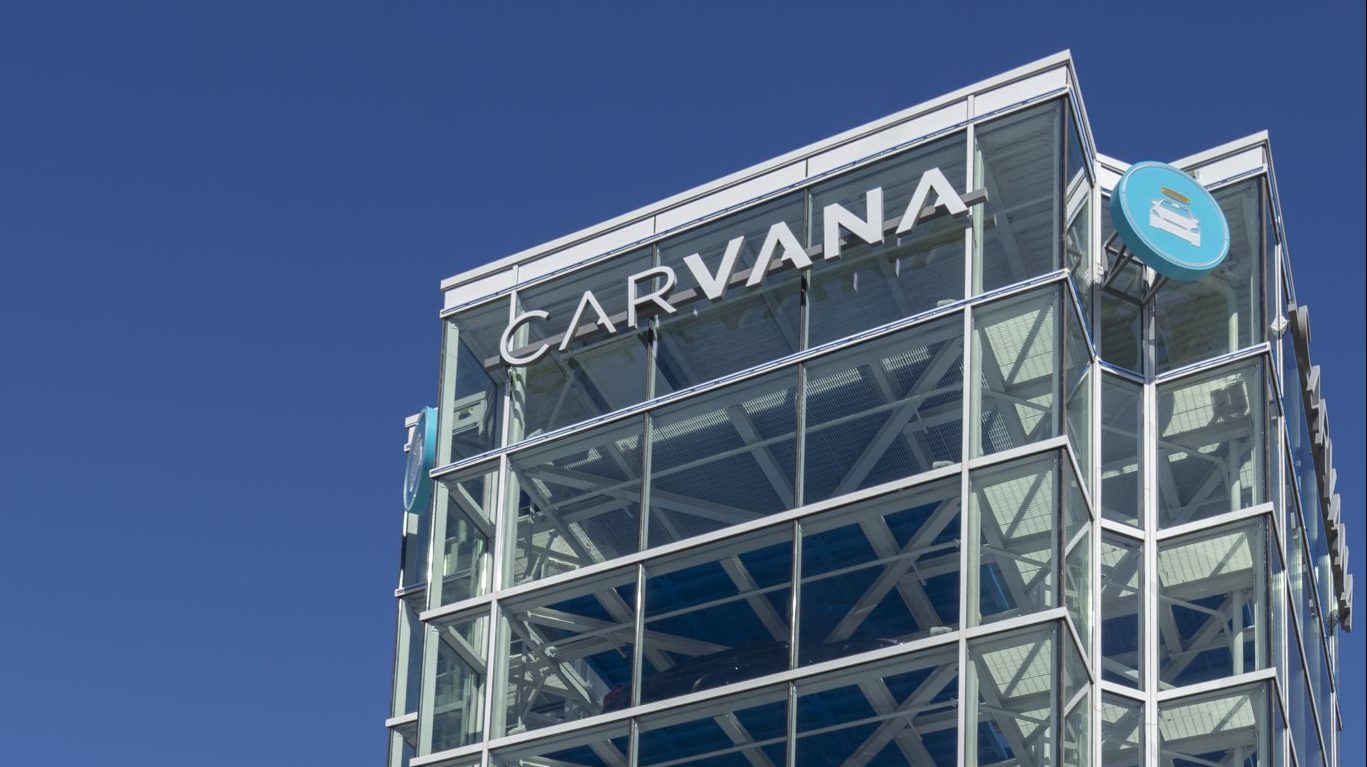
Carvana (NYSE:CVNA | CVNA Price Prediction) posted a record quarter for units and revenue, and those records are outweighing an earnings-per-share miss. Investors are treating the report as proof that the company’s growth engine is intact after a rough year for the stock. Carvana stock is trading at $68 this morning, up 15%.
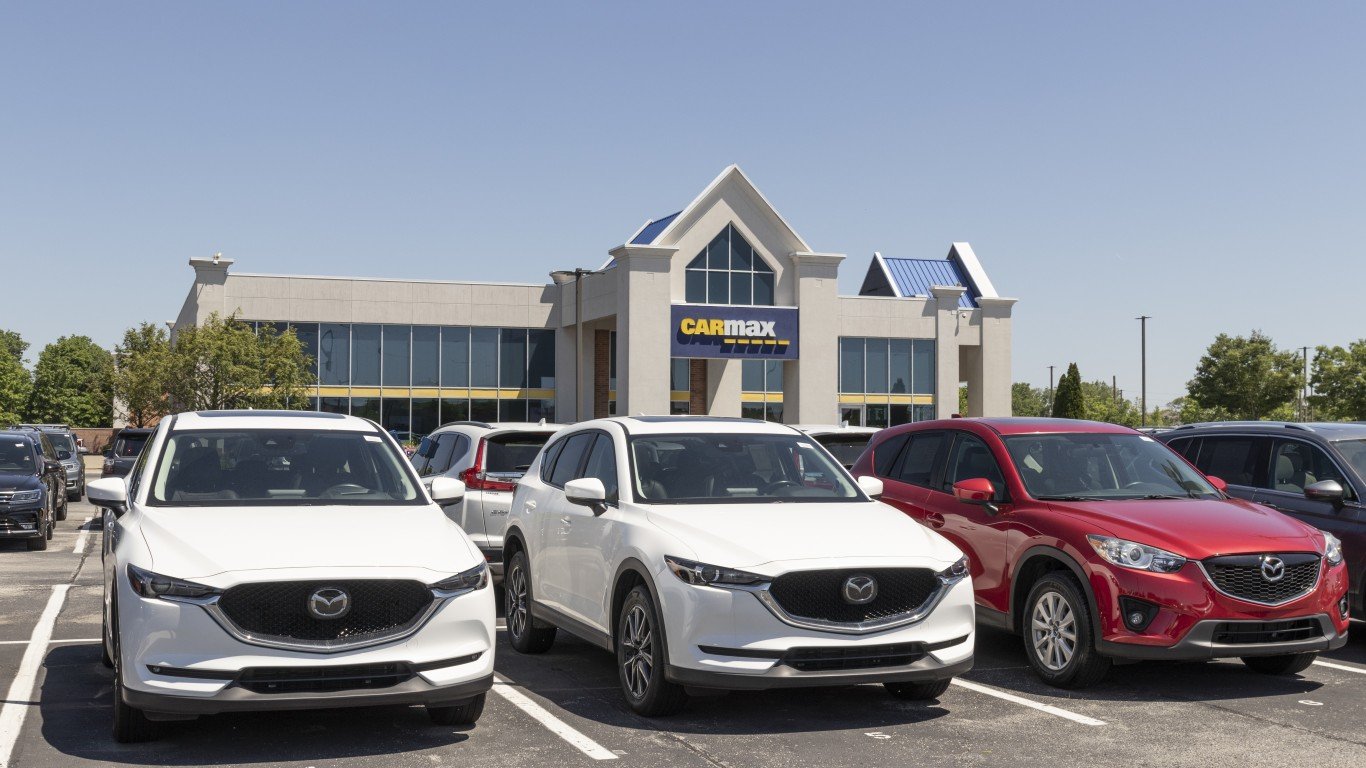
Checking in on the peers, CarMax (NYSE:KMX) stock is at $55, up 1%. AutoNation (NYSE:AN) stock is at $168, up 2%.
Carvana’s Record Quarter Comes With One Weak Spot
Results for Q3 2026 arrived after the close on October 28, and volume was the headline at Carvana. “This is our first quarter with over 200,000 sales. Our run rate is now 870,000, double what it was just two years ago,” Carvana founder and CEO Ernie Garcia stated on the earnings call.
Retail sales reached a record 217,385 vehicles at Carvana, up 39% year over year. The company said in its filing that growth outpaced a broader auto market where sales were mostly flat, as it won customers from rivals and high new-car prices pushed budget-conscious buyers toward used vehicles. Revenue at Carvana rose 42% to $8.04 billion.
Wall Street analysts had called for $7.67 billion in revenue from Carvana, so the top line cleared that bar. Carvana’s adjusted EBITDA (earnings before interest, taxes, depreciation and amortization) reached a record $800 million, a 10% margin, exceeding the $791.3 million consensus from Wall Street analysts.
Earnings per share were the weak spot in Carvana’s report. At $0.39, Carvana’s per-share profit missed the $0.48 consensus from Wall Street analysts, and the quarter carried a one-time charge tied to the early redemption of senior secured notes. Looking ahead, Carvana expects 2026 adjusted EBITDA near the upper end of its $2.7 billion to $3 billion outlook.

How Carvana’s Rough Year Stacks Up Against CarMax and AutoNation
Carvana stock is still down 19% year to date (YTD) despite the rebound. Part of the pressure shows up in Carvana’s margins, which narrowed from a year earlier as the company passed value back to customers through loan rates below benchmark levels and absorbed higher fuel and interest costs.
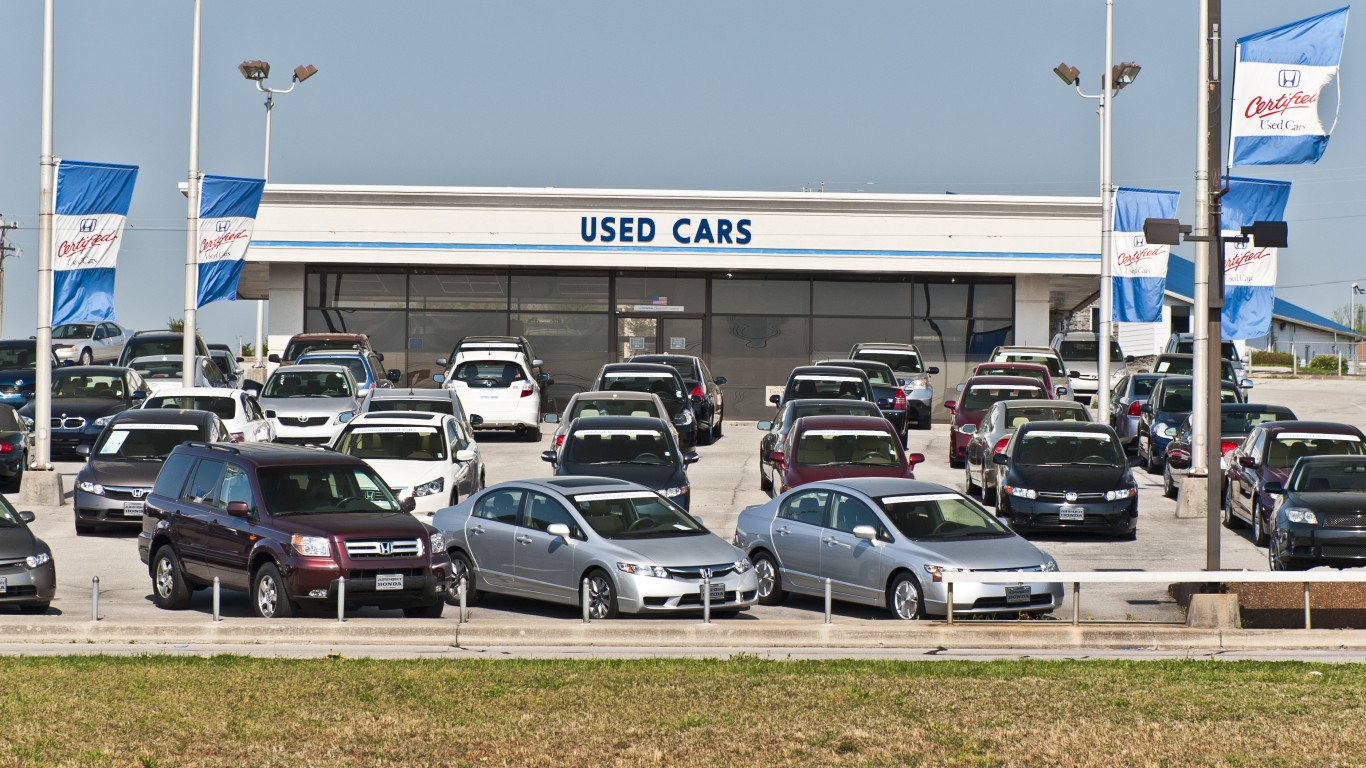
CarMax is the closest used-car comparable, and its path this year has run opposite to Carvana’s. Up 42% YTD, CarMax stock is only edging higher on Carvana’s report. On September 29, CarMax reported that comparable used unit sales grew 13%, and management credited sharper pricing along with tighter Federal Trade Commission (FTC) enforcement on advertised pricing, which favors the company’s no-haggle model. Physical superstores also set CarMax apart, since the company blends in-store and online buying and runs its own lender, while Carvana sells online and handles reconditioning, financing and delivery itself.
AutoNation stock is down 19% YTD, matching Carvana’s decline, while Lithia Motors (NYSE:LAD) has held up better, down 11% YTD and trading at $294, up 2%, as Carvana’s report lifts the group.
Both dealer groups sell new cars alongside used ones, so high new-car prices cut two ways for them. Elevated sticker prices can lift revenue per vehicle at AutoNation while reducing the pool of buyers, and the company’s management noted on July 31 that new-vehicle profit per unit fell on higher vehicle costs. Carvana, by contrast, sells only used vehicles and can gain when pricey new cars push shoppers its way. The modest gains at AutoNation and Lithia Motors are moving alongside Carvana’s report.
Carvana’s Next Test Is Turning Volume Into Profit Growth
Ernie Garcia reaffirmed Carvana’s long-term targets of selling 3 million vehicles a year and reaching a 13.5% adjusted EBITDA margin, and both remain company goals. Carvana now faces the question of whether record volume turns into earnings growth that meets Wall Street’s expectations. That test gets harder to track because the company plans to stop releasing quarterly and annual outlooks starting with its Q4 2026 call.
The bulls can point to Carvana’s market-share gains in a flat industry and a stronger balance sheet after a recent debt refinancing. Rising benchmark rates and elevated fuel costs are the bears’ main concerns for Carvana, along with the risk that used-car demand softens if new-car prices ease and shoppers drift back to new models. On the peer side, watch for CarMax’s strategic update on November 3, which could reset expectations for the closest used-car rival. Investors may prefer a cautious approach until the question of Carvana’s profit follow-through resolves.
Contact [email protected] for any questions or corrections.
David Moadel is financial writer specializing in stocks, ETFs, options, precious metals, and Bitcoin. David has written well over 1,000 articles for leading online publications, helping investors understand markets, income strategies, and risk.His work has appeared in The Motley Fool, InvestorPlace, U.S. News & World Report, TipRanks, ValueWalk, Benzinga, Market Realist, TalkMarkets, Finmasters, 24/7 Wall St., and others.With a master’s degree in education, David has taught at the elementary, high school, and college levels. That teaching background shapes his writing style: clear, educational, and practical. David has also built a loyal social-media audience by providing trustworthy financial content on YouTube, X/Twitter, and StockTwits.