If You Invested $1,000 in Uber at Its IPO, Here’s What You’d Have Now
Uber survived a brutal IPO debut, a pandemic that nearly killed its core business, and years of losses before finally turning a profit. Whether all that turnaround actually rewarded patient investors depends entirely on when you bought.

This post may contain links from our sponsors and affiliates, and Flywheel Publishing may receive compensation for actions taken through them.
From Flat IPO to Profit Machine
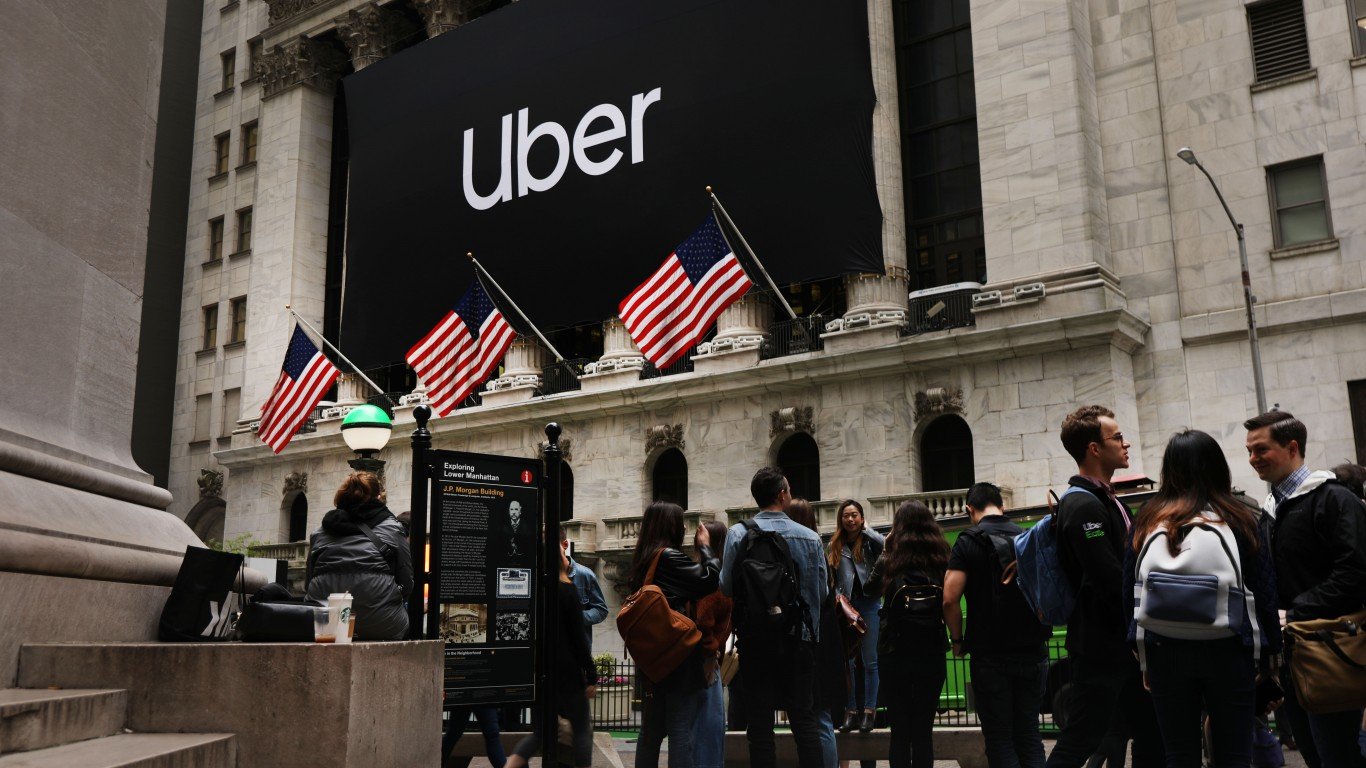
Uber (NYSE:UBER | UBER Price Prediction) shares rose Wednesday after third-quarter results. The rise started from a flat debut: Uber priced its IPO at $45 a share on May 10, 2019, and the stock closed its first day at $41.57.
Then 2020 came. COVID-19 gutted the rides business, and Uber Eats became the lifeline. Uber leaned into delivery by buying Postmates for $2.65 billion. Rides came back as cities reopened.
Profits Arrived, and So Did the Buybacks
In 2023, Uber posted its first full year of GAAP operating profit under CEO Dara Khosrowshahi and joined the S&P 500 in December 2023. Full-year 2025 revenue came in at $52.02 billion, and operating income rose 98.8% to $5.57 billion. Uber also bought back $6.52 billion of stock that year.
Third-quarter 2026 results, released before Wednesday’s open, kept that run going. Gross Bookings rose 20% to $59.8 billion, the fifth straight quarter above 20%. Revenue of $14.77 billion beat estimates. Non-GAAP EPS of $0.88 missed the $0.90 consensus. Mobility revenue slipped 2% even as bookings grew 18%, partly because of changes to the business model. Management also said driver supply fell short in several international markets.

Your $1,000 Became $1,480 While the Index Raced Ahead
Uber has only traded for about 7.5 years, so a 10-year window doesn’t exist. These figures use the November 3 close of $66.60.
Since IPO (Bought at $45)
- Initial Investment: $1,000
- Current Value: $1,480
- Total Return: 48%
- Annualized Return: 5.4%
- S&P 500 (same period): $2,618 (161.84%)
5-Year Return
- Initial Investment: $1,000
- Current Value: $1,471
- Total Return: 47.12%
- Annualized Return: 8.0%
- S&P 500 (same period): $1,616 (61.56%)
1-Year Return
- Initial Investment: $1,000
- Current Value: $668
- Total Return: -33.21%
- S&P 500 (same period): $1,104 (10.39%)
Uber fell behind the index over every one of these periods. The business turned itself around, but the stock started from a rich valuation, and 2026 gave back a lot: shares are down 18.49% year to date even though profits kept rising. When you bought, it counted. The first-day close of $41.57 has left buyers up 60.21%. Wednesday’s 8.2% jump to $72.06 raises the IPO stake to about $1,601.

Robotaxis Could Decide Uber’s Next Leg Higher
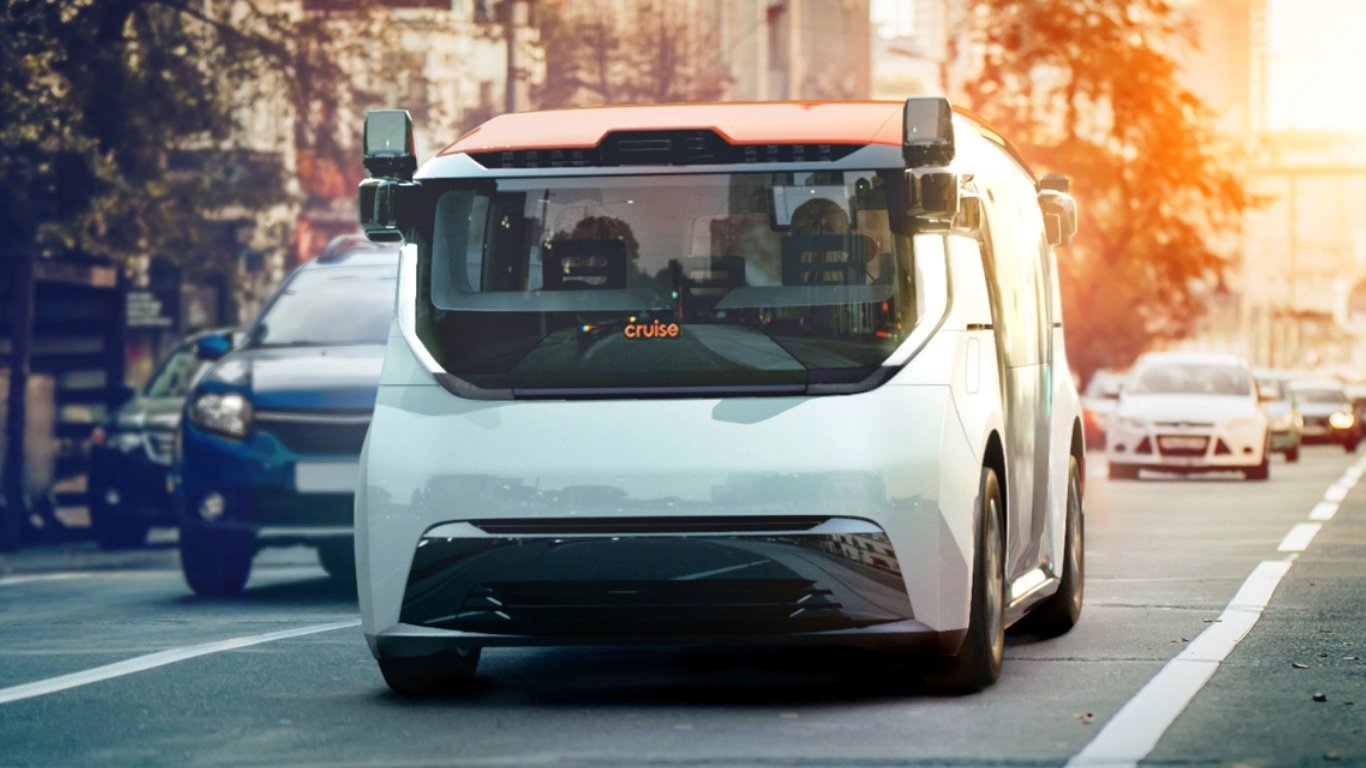
The upside argument rests on robotaxis adding supply to Uber’s network. Uber expects about 700 fully driverless vehicles on its platform by year-end and more than 2,000 in 2027. Uber One has about 55 million members. Fourth-quarter guidance calls for non-GAAP EPS of $0.95 to $0.99, which would be growth of 34% to 39%. At a P/E of about 14 and a 7.2% free cash flow yield, that growth comes at a reasonable multiple.

Risks mount if Waymo or Tesla (NASDAQ:TSLA) build direct-to-consumer networks that go around Uber, or if worker classification fights get worse. Q3 included $484 million in legal and regulatory reserve charges; Freight still loses money, and long-term debt rose to $15.66 billion from $10.52 billion.
The next things to watch are robotaxi deployments, Mobility revenue, and legal reserves. Seven years of trailing the market show what happens when you pay up for a story. Today’s price is a reasonable multiple on a business that throws off a lot of cash, and bookings are still growing at 20%.
Contact [email protected] for any questions or corrections.
Chris Lange is a financial and geopolitical writer with more than a decade of experience covering a myriad of topics. He has published thousands of articles for 24/7 Wall St., with past coverage focused heavily on stocks, IPOs, healthcare, defense, global affairs, and technology.
His work has been quoted, or referenced by a number of outlets including Business Insider, USA Today, Yahoo Finance, MSN, The Motley Fool, and many other publications. A graduate of Southwestern University, he studied business with a focus on investments and has previous experience in banking and startups.
When not reading or writing the news, he is following his passion for Lacrosse, playing chess, or building solar projects with his dad.