Lucid Jumps 12%, Rivian Climbs 6% as Post-Election Rally Lifts EV Stocks; Tesla Slides 3%
Post-election risk appetite sent smaller EV names surging while the sector's biggest player slid, raising a pointed question about whether the political shake-up helps or hurts the companies betting billions on America's EV future.

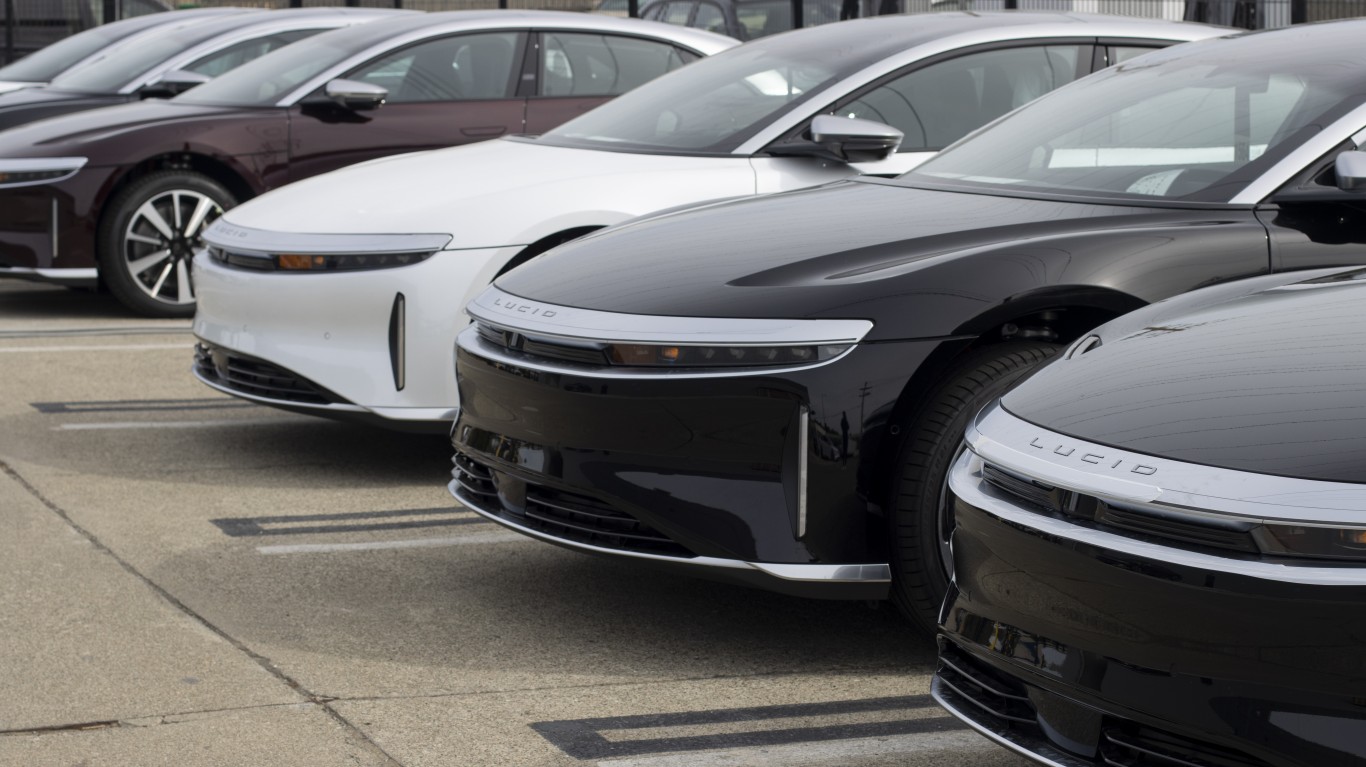
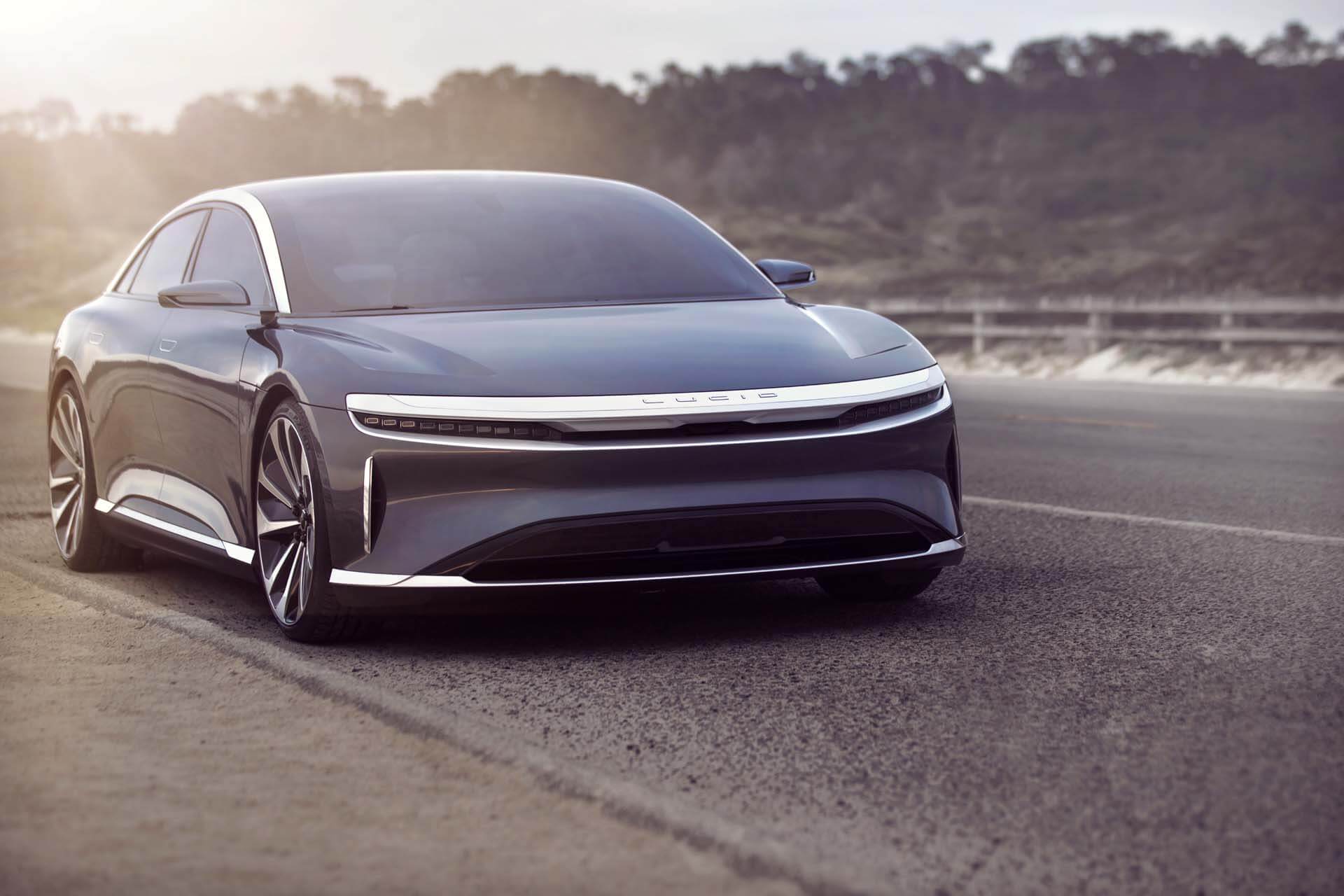
The November 3 midterm elections split the electric vehicle (EV) group, lifting smaller names while weighing on the sector’s largest company. Lucid Group (NASDAQ:LCID | LCID Price Prediction) shares recently changed hands at $3.38, up 12%. The gain tracks a broad post-election rally in risk assets, and it lands just before Lucid’s next quarterly report, which is expected next week.
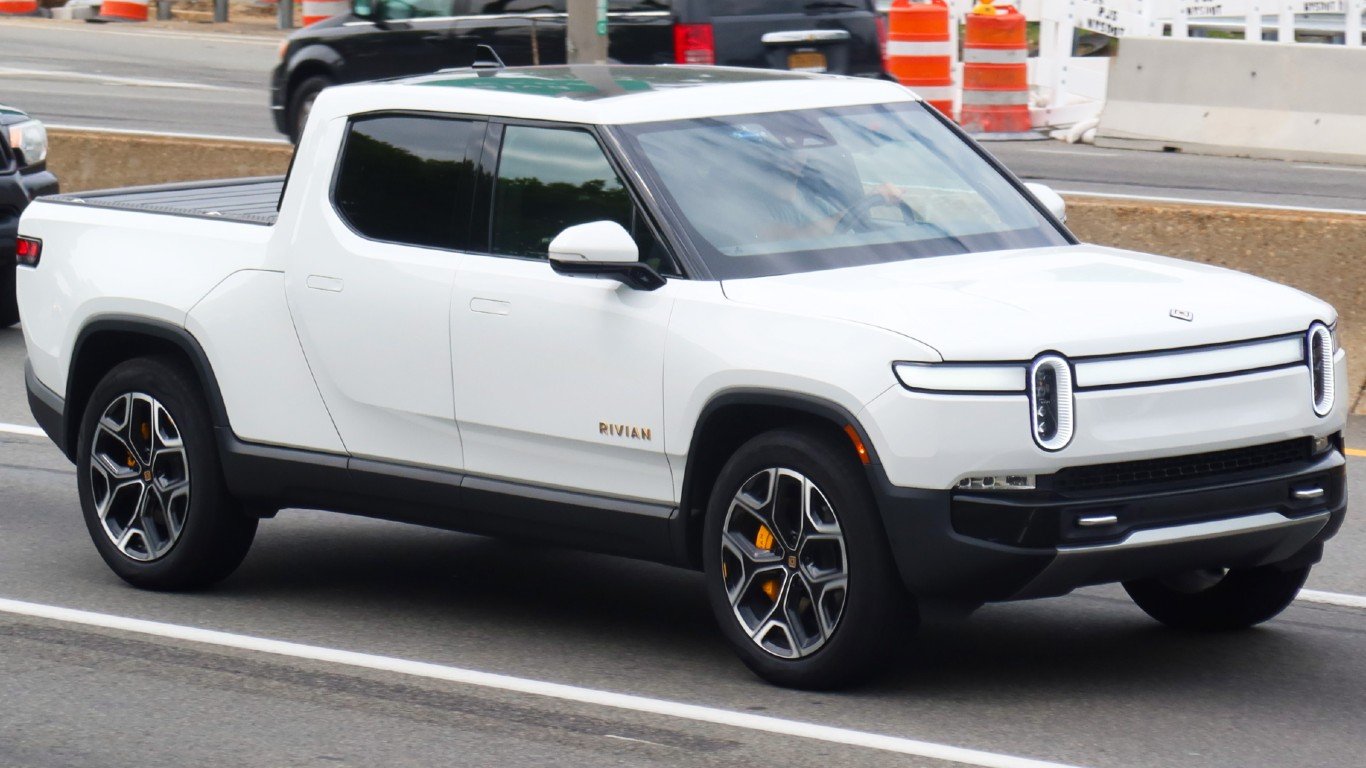
Meanwhile, Rivian Automotive (NASDAQ:RIVN) stock is at $14.04, up 6%. That move adds to a run that began with Rivian’s October 29 earnings report, when the R2 SUV became the company’s best-selling vehicle by volume. The R2 is Rivian’s lower-priced model, and it launched in June.
Election Results Lift Lucid and Rivian
Democrats won majorities in the House and Senate and switched governorships across key states, while the rest of the market surged. Both Lucid and Rivian are moving with that wave of risk appetite, a setting where smaller, more volatile names can move fastest. Bloomberg reported in October that U.S. EV demand was beginning to stabilize as dealers worked through excess inventory.
Operating data at Lucid gives the rally less to stand on. Lucid reported Q3 2026 deliveries of 3,806, a decline from a year earlier that followed calculated production cuts meant to turn inventory into cash. Lucid stock is still down 68% year to date (YTD) despite the jump.
Rivian brings steadier ground into the rally after raising its full-year 2026 delivery guidance to 67,000 to 70,000 vehicles. Founder and CEO RJ Scaringe said “Customer and media feedback on R2 has been exceptional.” Still, Rivian disclosed on October 29 that its free cash flow was negative $1.12 billion last quarter. A Georgia plant backed by up to $4.5 billion in Department of Energy loan financing anchors Rivian’s growth plan, though management called its future capital sources “all subject to certain conditions.”
Tesla Slides as Nio Joins the Rally
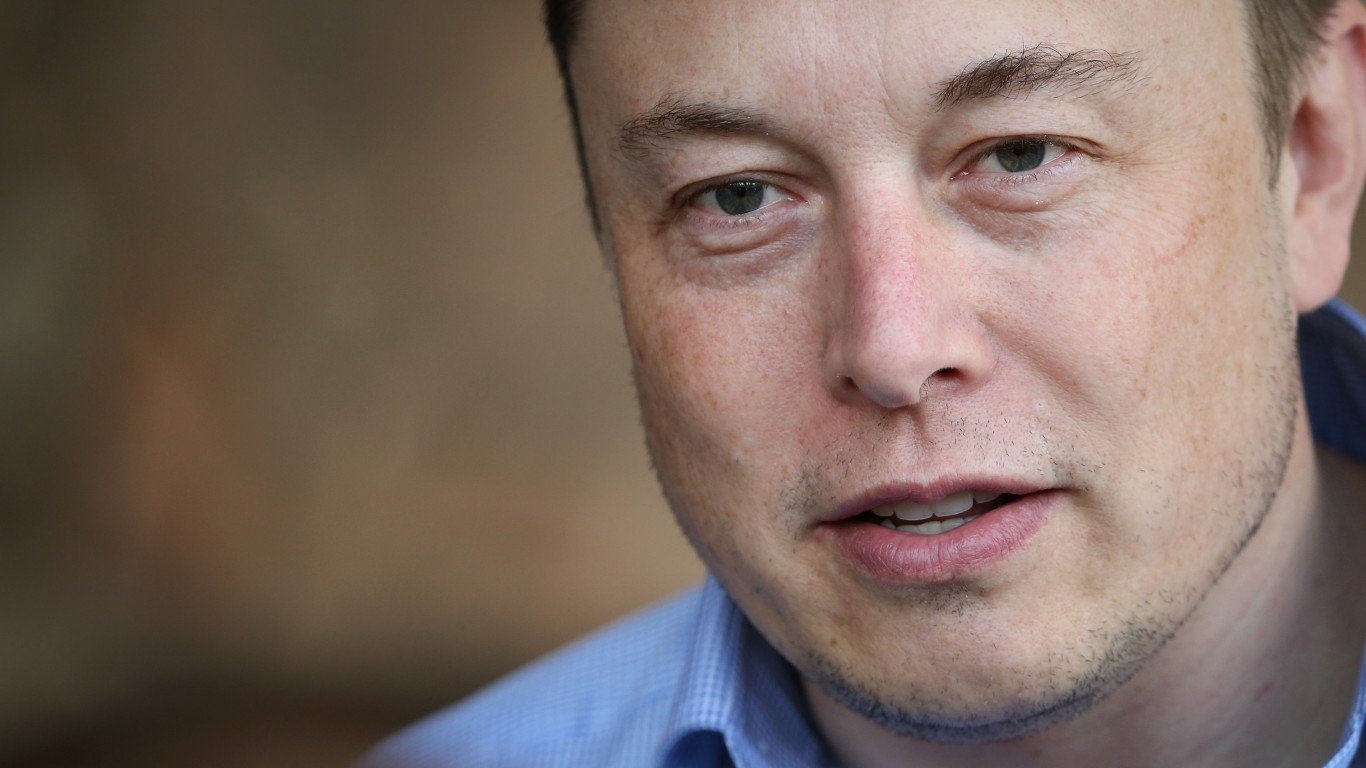
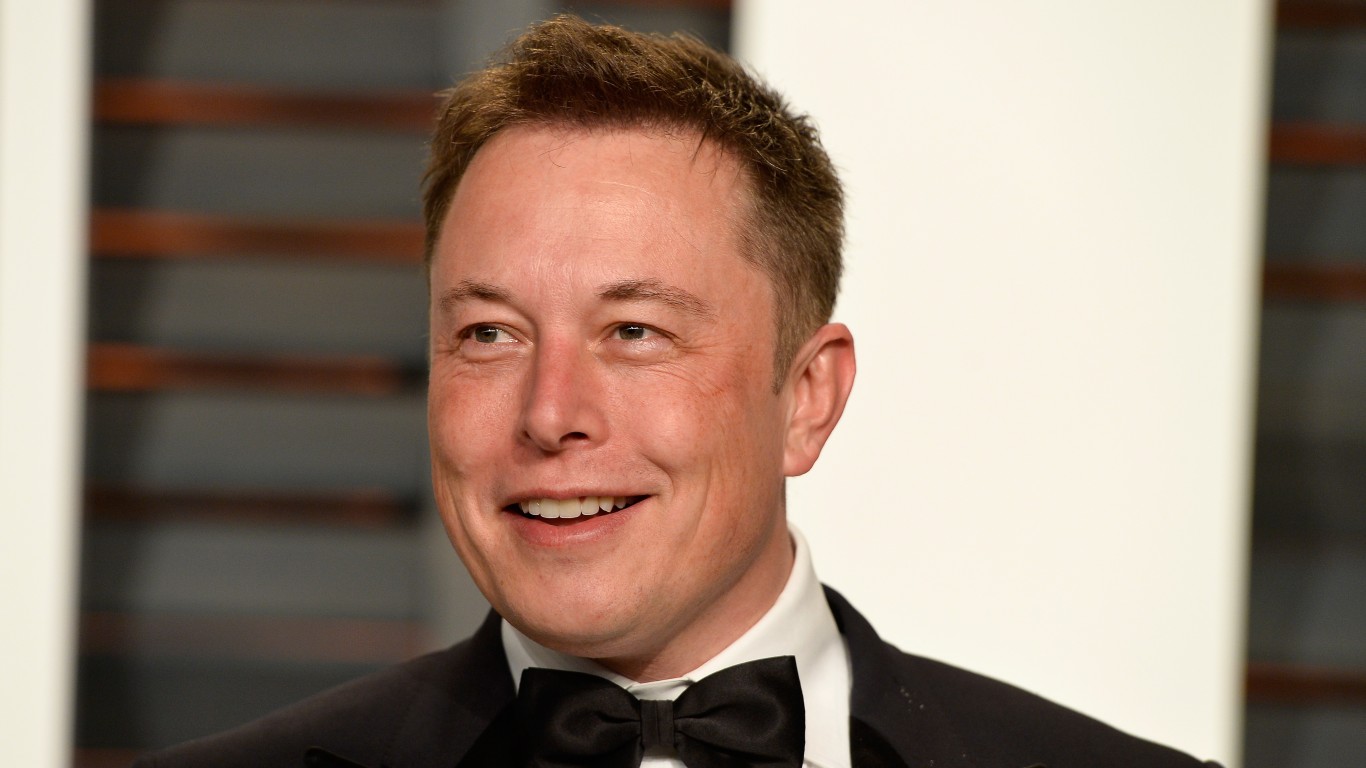
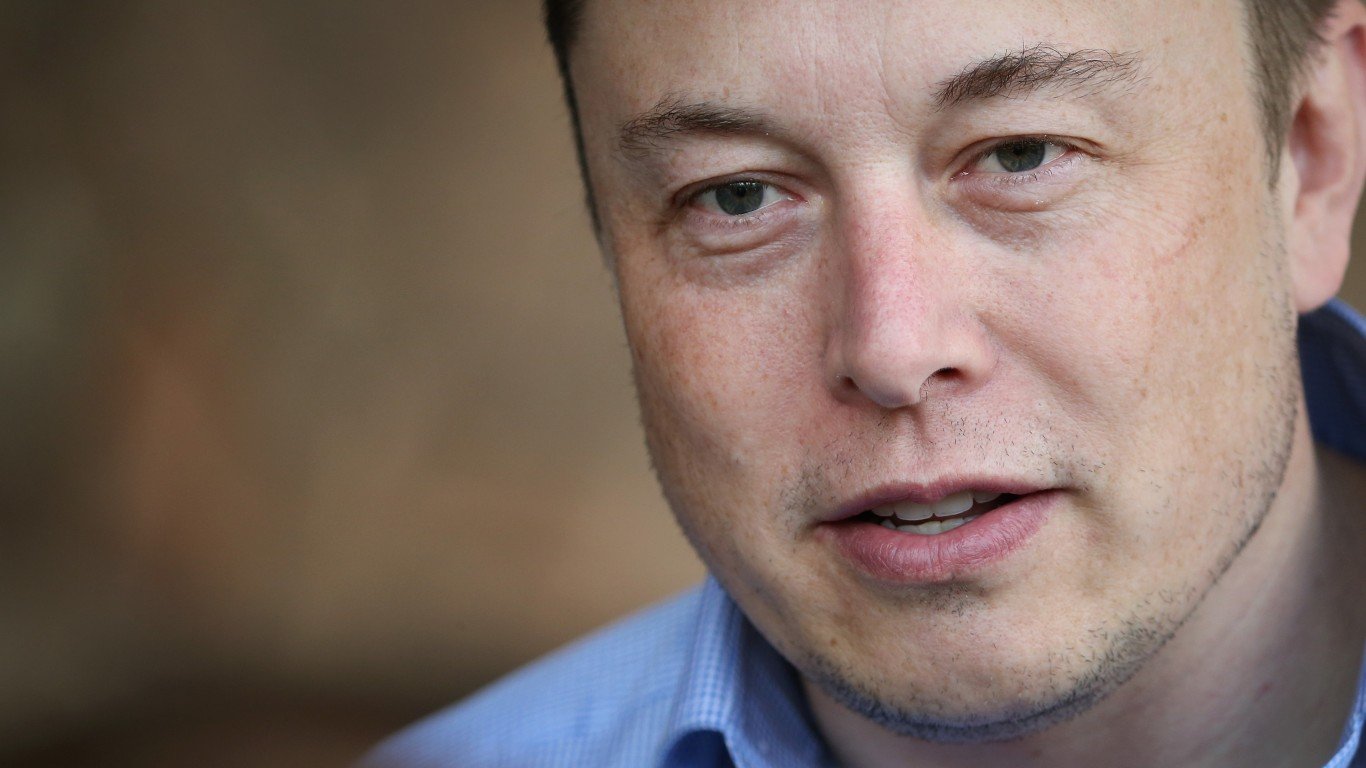
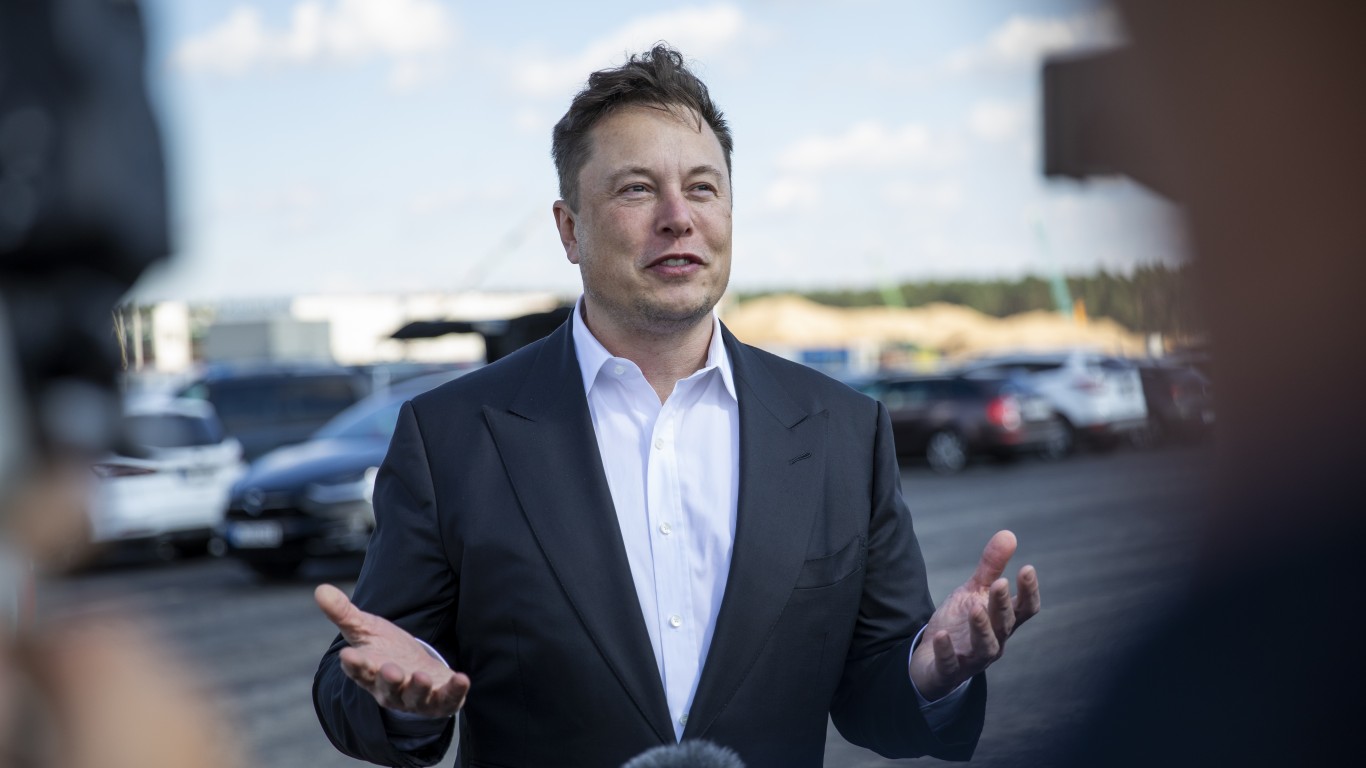
Tesla (NASDAQ:TSLA) stock is at $388.52, down 3%. Investors are considering what the election could mean for Tesla CEO Elon Musk’s companies and the artificial intelligence (AI) build-out. Musk-led SpaceX (NASDAQ:SPCX) stock is also lower.
Yorkville partner and managing director Dan Ives warned on November 4: “There is no way to sugarcoat that Democrats taking control, especially over the Senate, will create some major hurdles for AI and tech legislation in the Beltway over the next 2 years.” He added that “SpaceX and Musk are clearly caught front and center in this spiderweb.” Ives also highlighted Texas, where Gina Hinojosa won the governor’s race, as the foundation of the U.S. AI build-out. That matters for Tesla, which launched its Cybercab into an unsupervised Robotaxi fleet in Austin on September 3.
Nio (NYSE:NIO) stock is at $3.31, up 4%. Because the company sells mostly in China, its gain points to a broad risk-on move more than to U.S. policy specifics. The company’s third-generation ES8 SUV has reached 140,000 cumulative units.
How Lucid’s Business Model Stands Apart
Lucid builds luxury sedans and SUVs in limited volumes in Arizona, relies on capital from its largest shareholder, a Saudi Arabian related party, and is developing a midsize vehicle plus a robotaxi program with testing in the San Francisco Bay Area and Houston. Rivian targets a broader buyer with adventure-focused vehicles, commercial delivery vans and the lower-priced R2, while a joint venture with a major German car maker adds software revenue.
Tesla operates at mass-market scale and is branching out into robotaxis, humanoid robots and energy storage. China-based Nio rounds out the group with three brands and a battery-swap network.
What Lucid’s Next Report Could Settle
Investors will be watching whether Lucid’s Q3 report next week shows its cash flow improvement plan gaining traction. The bulls can cite Lucid’s robotaxi testing and the industrialization of its Saudi Arabia plant. The bears, meanwhile, focus on Lucid’s stockholders’ equity deficit, ongoing cash burn and a pending securities fraud lawsuit.
Rivian faces its own margin question, with management stating “We expect that R2 will help us achieve a positive automotive gross margin exit rate for the year.” For Tesla, the open issue is how Texas policy shapes the AI build-out it’s counting on. Traders may prefer to keep their exposure smaller until the debate over Lucid’s cash burn resolves.
Contact [email protected] for any questions or corrections.
David Moadel is financial writer specializing in stocks, ETFs, options, precious metals, and Bitcoin. David has written well over 1,000 articles for leading online publications, helping investors understand markets, income strategies, and risk.His work has appeared in The Motley Fool, InvestorPlace, U.S. News & World Report, TipRanks, ValueWalk, Benzinga, Market Realist, TalkMarkets, Finmasters, 24/7 Wall St., and others.With a master’s degree in education, David has taught at the elementary, high school, and college levels. That teaching background shapes his writing style: clear, educational, and practical. David has also built a loyal social-media audience by providing trustworthy financial content on YouTube, X/Twitter, and StockTwits.