Tesla’s Primary Growth Drivers Just Got Choked Out
Robotaxis, Megapacks and self-driving software now carry Tesla's valuation, yet a new Congress and a $20 billion spending spree threaten to test each one. Can Musk's regulatory timelines survive the scrutiny before the cash cushion matters?

This post may contain links from our sponsors and affiliates, and Flywheel Publishing may receive compensation for actions taken through them.
At $342.27, Tesla (NASDAQ:TSLA | TSLA Price Prediction) faces mounting risk. The growth drivers that now justify its valuation face closer political scrutiny just as spending tops.
Tesla builds electric vehicles, Megapack grid storage and Full Self-Driving (FSD) software, and it runs an unsupervised Robotaxi fleet in Austin. Shares fell 11.14% in the latest session after Democrats took control of the House and Senate. That outcome raised concerns about hurdles for the AI build-out (Yahoo Finance). A Blue Wave keeps green-energy incentives in place, but Tesla’s drivers have moved to autonomy, energy storage and regulatory execution, and all of them will face more scrutiny.
Autonomy and Megapacks Could Outrun a Slowing Auto Business
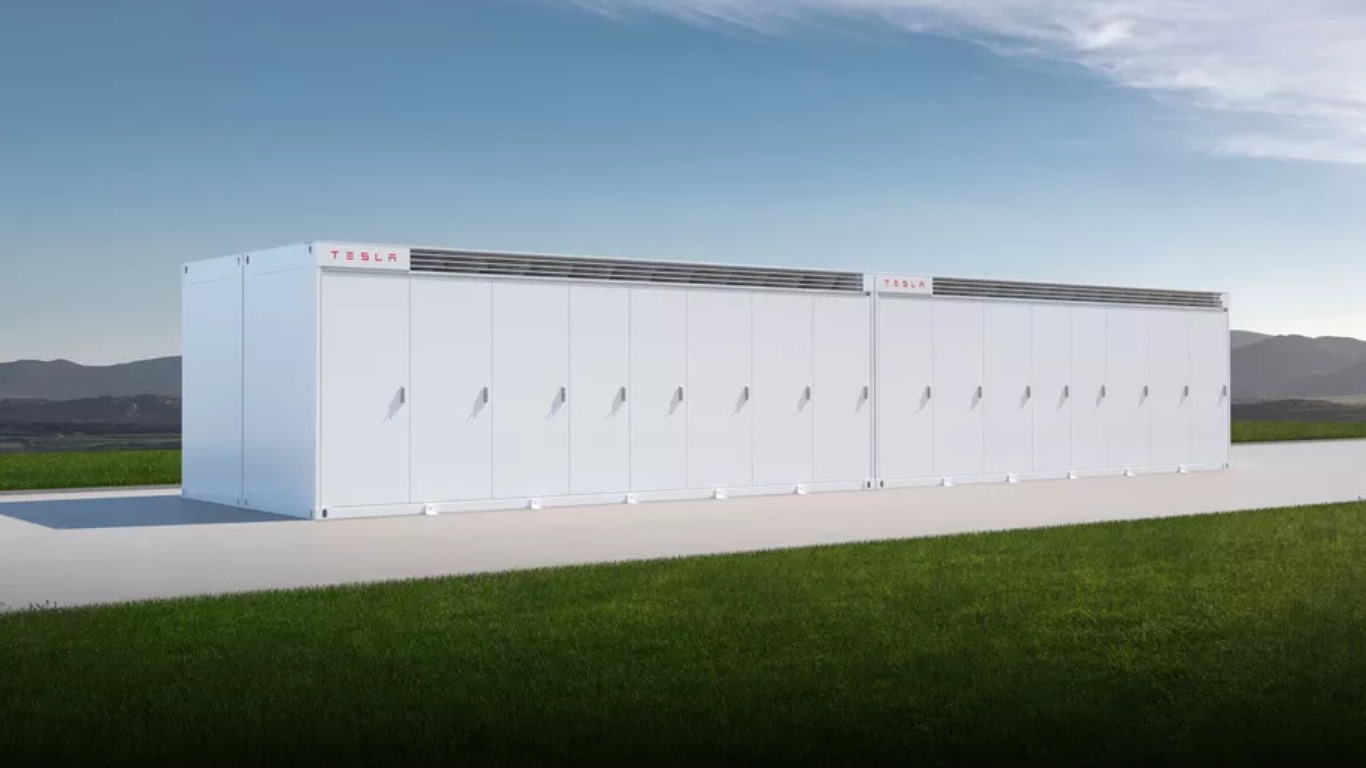
Active FSD subscriptions reached 1.74 million, up from 1.04 million a year earlier. On the earnings call, the CFO agreed that FSD annual recurring revenue is approaching $1 billion. Unsupervised Robotaxi miles grew eightfold during the quarter. Management also said Tesla is “almost sold out of all Megapacks for 2027”.
The quarter ended with Tesla’s highest backlog in four years, so production capacity is what limits deliveries. Adjusted EPS of $0.48 beat the $0.4511 estimate.
A $20 Billion Spending Cycle Is Draining Profits
Operating income fell to $718 million from $1.62 billion as R&D rose to $2.76 billion. Free cash flow dropped 61.63% while capex jumped 110.5%. Capex guidance for this year is about $20 billion, and the Terafab chip plant alone could eventually cost “north of $100 billion”.
Part of the energy margin gain came from tariff refunds and warranty true-downs, which will not repeat. Over the past 30 days, analysts cut their 2027 EPS estimates 10 times and raised them only 1 time. The stock still trades at 357 times trailing earnings.
A $45 Billion Cash Cushion Gives Robotaxi Time to Prove Itself
Tesla holds $45.45 billion in cash and carries debt-to-equity of just 0.10, so the spending cycle does not threaten its solvency. Musk said he “would be surprised if it takes longer than Q1” to win EU-wide FSD approval. He also expects Robotaxi to become noticeable around Q2. Results in the coming six months should show whether those timelines hold.
Wall Street’s Target Assumes a Rebound That Hasn’t Started
The average analyst target of $413.10 implies 20.7% upside across 44 analysts. Targets are estimates and can change. The ratings break down as follows:
- Strong Buy: 5
- Buy: 15
- Hold: 22
- Sell: 2
Tesla is down 23.89% year to date, while the S&P 500 is up 7.71%. Over the past week, Tesla lost 15.13% against the index’s 4.53% decline. Shares sit below both the 50-day average of $371.41 and the 200-day average of $384.93.
Why Tesla’s Spending Is Outpacing Its Proof Points
At $342.27, Tesla carries several risks.
The valuation depends on autonomy and energy profits that now need approval from a more skeptical Congress. Musk himself warned that Robotaxi could be stopped by governments, calling that “certainly a possibility”. Meanwhile, Terafab spending becomes more meaningful next year, which will keep pressure on free cash flow.
The thesis breaks if EU-wide FSD approval comes by Q1 and Tesla starts revealing Robotaxi revenue. Until then, a forward P/E of 164 leaves no room for delays in the timeline. At this price, investors are paying for growth that has not yet cleared regulators.
Contact [email protected] for any questions or corrections.
Alex Sirois is a financial writer with experience spanning both retail and institutional investing. He has written for InvestorPlace and held roles at BNY Mellon and Bernstein, giving him a perspective that bridges Main Street portfolios and Wall Street analysis.
Alex holds an MBA from George Washington University and has built his career across multiple industries, including e-commerce, education, and translation — a breadth of experience that informs how he breaks down complex financial topics for everyday investors. His writing is conversational, actionable, and grounded in long-term, buy-and-hold investing principles.
At 247 Wall St., Alex focuses on delivering analysis that is both accessible and useful, with a clear emphasis on helping readers make more informed decisions with their money.