Apple Now Ships 57% of U.S. Smartphones as Memory Costs Crush Cheap Android Phones

This post may contain links from our sponsors and affiliates, and Flywheel Publishing may receive compensation for actions taken through them.
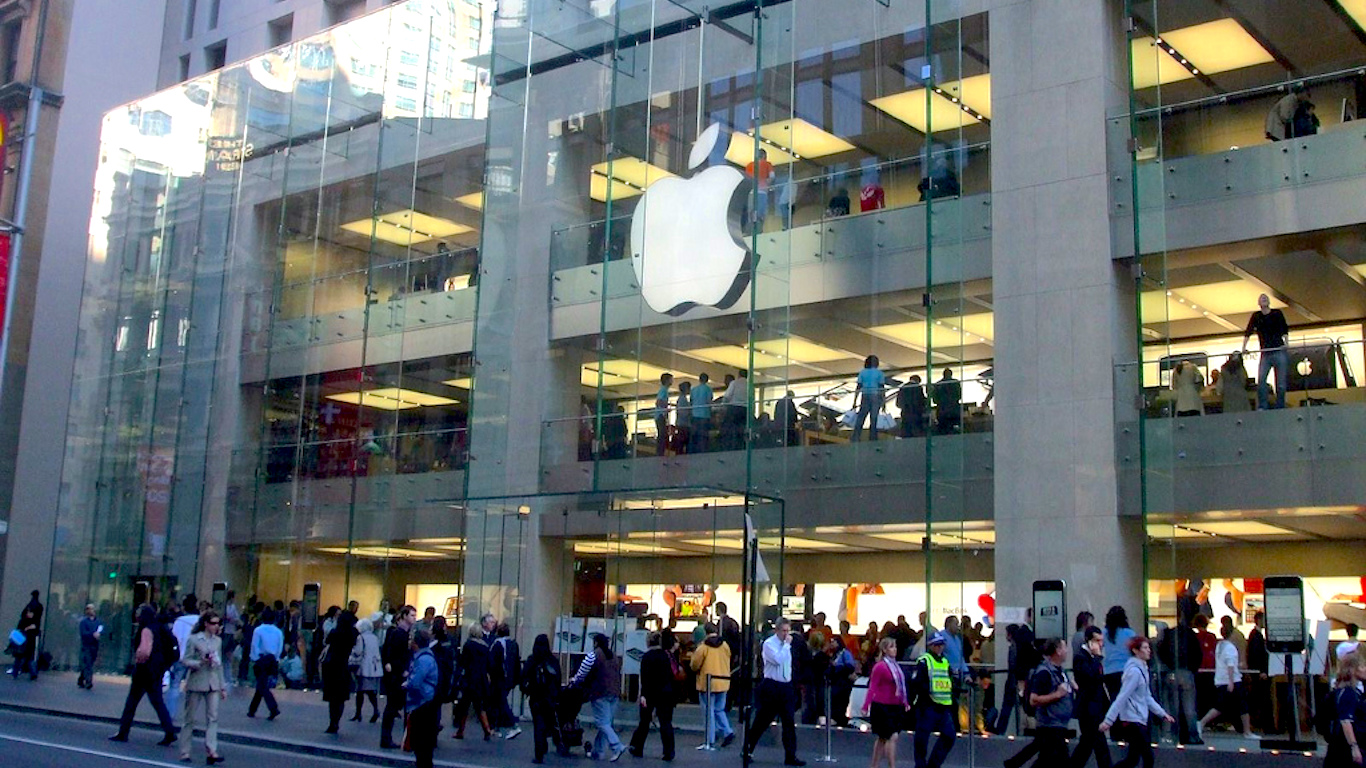
From July through September 2026, more than half of the smartphones shipped into the U.S. market were iPhones. Counterpoint Research data released Thursday, November 26, 2026, showed Apple (NASDAQ:AAPL | AAPL Price Prediction) took 57% of U.S. smartphone shipments in the third quarter, up seven points from 50% a year earlier.
Apple gained that share while the market contracted. Counterpoint Research also found that total U.S. shipments fell 9% from a year earlier, and Apple was the only major phone maker whose shipments did not decline. Shipments count phones sent into the sales channel, so they can differ from what consumers actually bought.
The stock has not traded on the report yet. Apple closed at $355.58 on Wednesday, November 25, up 0.43%, for a market value of $5.17 trillion. U.S. markets were closed for Thanksgiving on November 26, so the first chance to react is the November 27 half session, which closes at 1 p.m. ET. If you own Apple, the question is how much a bigger share of a smaller market is worth when Apple pays more for the same memory chips that are raising costs for its rivals.

How Memory Costs Rearranged the U.S. Phone Market
Counterpoint Research found that Samsung rose one point to 25% from 24%, and Motorola fell four points to 8%. Motorola had grown shipments in the second quarter.
However, its lineup leans on cheap phones, and makers of cheap phones have little room to take in higher memory costs without raising prices or cutting volume. Senior analyst Emily Herbert said, “Q3 2026 was the quarter in which rising component costs heavily impacted the US smartphone market.”
Counterpoint tied memory costs to the overall market drop and stopped short of identifying them as the reason Apple gained, since part of Apple’s higher share comes from rivals shipping fewer phones.
Why Apple’s Revenue Tells More Than Share
Apple’s September quarter covered the same months. iPhone revenue was $57.6 billion, up 17%[1], with strong double-digit growth in the U.S.
Revenue depends on both units and price, and Apple raised iPhone prices in September[1] to offset some of the memory costs. Customers kept buying at the higher prices, which is the clearest evidence of pricing power.
Each new iPhone also adds to the installed base that feeds Services. That division brought in $31.573 billion[2] in the quarter.
Rising Memory Prices Hit Apple’s Costs Too
Chief executive John Ternus said on the November 2[1] earnings call that “what we’re seeing with memory pricing right now is unprecedented,”. He added that Apple expects “even higher memory costs”[1] in the December quarter. The finance chief said memory alone drove about a 1-point sequential change in margin[1] once tariff effects are removed.

Counterpoint expects price increases across both Android and iOS phones to continue, and that will test how much more iPhone buyers are willing to pay. Carriers are also expected to be more selective with holiday promotions, even though the fourth quarter is usually the firmest U.S. quarter. Senior analyst Maurice Klaehne said, “Consumers are timing their purchases around the best deals more than ever, if they buy at all.”
What Apple’s Share Gain Means for AAPL Stock
Apple grew U.S. iPhone revenue while total shipments fell and its low-end rivals pulled back, and per Counterpoint Research, Samsung was the only other major maker to gain share, rising a single point.
The valuation is rich. The shares trade at about 39 times earnings after rising 31.25% in 2026, and they sit close to a 52-week high of $360.83. A weak holiday quarter would likely cost the stock more than the share gain added.
The test is Apple’s next earnings report, expected January 27, 2027. If holiday-quarter iPhone revenue comes in below the $85.269 billion[3] reported a year earlier, the share gain mostly reflected a shrinking market, and the case for owning the stock at this price gets weaker.

Contact [email protected] for any questions or corrections.
Omor Ibne Ehsan is a writer at 24/7 Wall St. He is a self-taught investor with a focus on growth, cyclical, and dividend equities that have strong fundamentals, value, and long-term potential. He also has an interest in high-risk, high-reward investments such as penny stocks.