Rocket Lab Just Hit 100 Launches. A Successful Neutron Debut Could Make 2027 Its Biggest Year Yet

This post may contain links from our sponsors and affiliates, and Flywheel Publishing may receive compensation for actions taken through them.

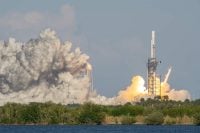
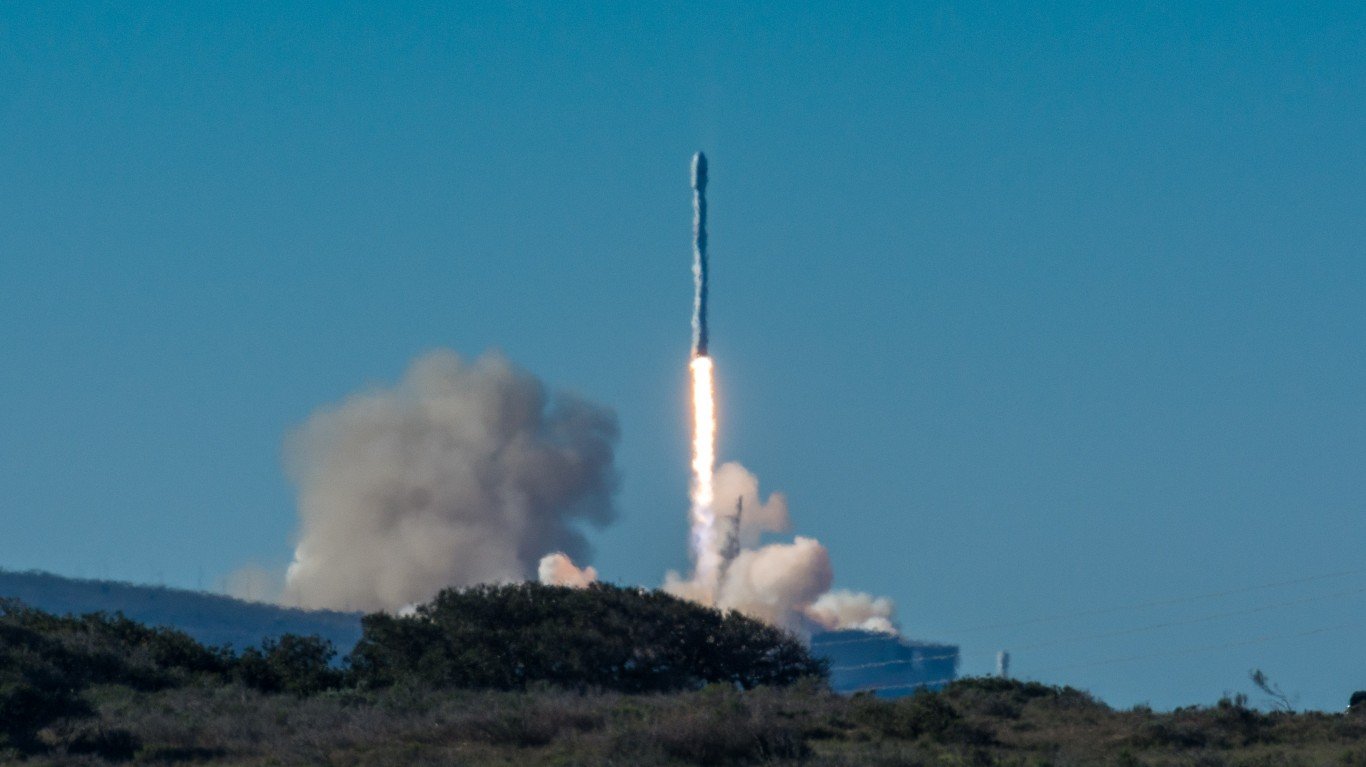
On November 14, 2026, Rocket Lab (NASDAQ:RKLB | RKLB Price Prediction) completed its 100th Electron launch from New Zealand. The mission deployed an Earth-imaging satellite for Japanese customer iQPS. Electron first flew in May 2017, and Rocket Lab says no other commercially developed rocket has reached 100 launches faster. CEO Peter Beck says the next 100 Electron launches are already booked. The stock has fallen behind the rocket. Shares are down 11.8% year to date at $61.53, though they are still up 35.98% over the past year. Here is what Rocket Lab needs to do to reach $100 per share in 2027.

Wall Street Already Sees 51% Upside
The average analyst price target of $93.10 implies 51% upside. The stock carries 5 Strong Buy and 13 Buy ratings, 4 Holds, and zero Sells. Analysts expect $1.34 billion in revenue for 2027, about 37% above the $980 million they forecast for 2026. The company has also exceeded revenue estimates in all seven of the most recent reported quarters. Q3 GAAP EPS of -$0.12[1] missed the -$0.0665 estimate, but one-time items drove that miss, including a $27.26 million debt extinguishment loss and $21.34 million in Iridium deal costs.


Here’s the Math Behind $100 Per Share
Analysts expect a 2027 loss of -$0.0761 per share, so price-to-sales is a better gauge than P/E. Today, shares trade at about 29x estimated 2027 revenue. At $100, that multiple would rise to roughly 47x. That multiple is high, but it sits close to Rocket Lab’s current trailing price-to-sales ratio of 48.89.
Rocket Lab’s path to $100 depends on several drivers.
- A clean Neutron debut: The first launch is now targeted for no earlier than 2027[1] after the team found voids in a Stage 1 tank dome. Beck said the replacement dome cured into “a nice, clean forward dome.”[2]
- Pricing power before the first flight: Customers have booked 16 Neutron missions worth more than $515 million. The base price has risen from $55 million to $70 million[1], and the next open slots fall in the 2030s[2].
- Profit inflection: Adam Spice said on the Q3 call that adjusted EBITDA should turn positive within six months of Neutron’s first successful test flight[2].
- Backlog reached a record $3.57 billion[1], up 52% from Q2, and includes 117 launches.

Shares Traded Well Above $100 Within the Past Year
A move to $100 would require a 62.5% gain. For this stock, that is within the normal range. Rocket Lab’s 52-week range runs from $37.57 to $151, its beta is 3.176, and shares have climbed 328.18% over five years.
$100 Is a Stretch, but Neutron Makes It Possible
Electron proved that Rocket Lab can build a rocket business that repeats. Production now averages one rocket every eight workdays[2]. Neutron is the bigger opportunity. One successful test flight would still leave work to do: Rocket Lab must prove pace, reliability, and margins, and further delays remain possible.
Management has not committed to a specific 2027 launch month. If Neutron flies successfully, Electron keeps its pace, and the revenue beats continue, $100 looks achievable. Such gains won’t happen every year, but we’ve outlined the plan for how Rocket Lab could see outsized returns in 2027.
Contact [email protected] for any questions or corrections.
After two decades of patrolling the dark corners of suburbia as a police officer, Rich Duprey hung up his badge and gun to begin writing full time about stocks and investing. For the past 20 years, he’s been cruising the markets looking for companies to lock up as long-term holdings in a portfolio while writing extensively on the broad sectors of consumer goods, technology, and industrials. Because his experience isn’t from the typical financial analyst track, Rich is able to break down complex topics into understandable and useful action points for the average investor. His writings have appeared on The Motley Fool, InvestorPlace, Yahoo! Finance, Money Morning, and, of course, 24/7 Wall St. He has been featured in both U.S. and international publications, including MarketWatch, Financial Times, Forbes, Fast Company, and USA Today.