Google’s SpaceX Stake Lost More Than $10 Billion in Value Last Quarter While Its Share Count Edged Up

This post may contain links from our sponsors and affiliates, and Flywheel Publishing may receive compensation for actions taken through them.
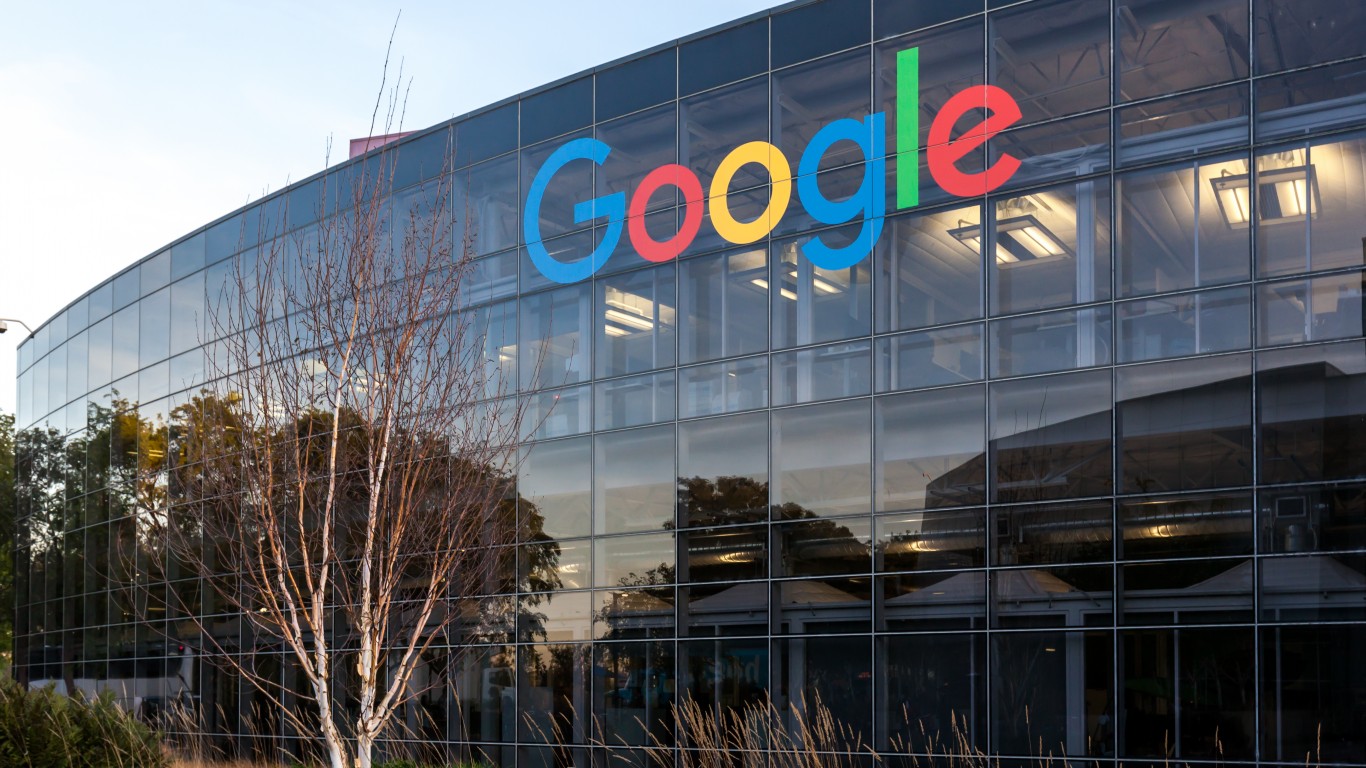
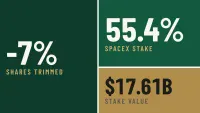
The third-quarter 13F from Alphabet (NASDAQ:GOOGL | GOOGL Price Prediction), covering positions as of Sept. 30 and filed Nov. 6, shows its stake in SpaceX (NASDAQ:SPCX) lost $10.4 billion[1] in value over the quarter even as the share count edged higher. Google’s parent company, Alphabet, went from 551,189,500 SpaceX shares worth $94.18 billion at June 30 to 555,043,560[2] shares worth $83.73 billion at quarter-end. That 0.7% rise in shares got swamped by a lower SpaceX share price.
Why a $10 Billion Paper Loss Hits Alphabet Hard
SpaceX made up 95% of Alphabet’s reported 13F holdings at Sept. 30, so this one stock is effectively the whole disclosed portfolio. The filing records only the change in share count, with no detail on how the extra shares arrived. Treat it as a holder sitting tight through a decline.
Timing made the mark-down hurt. Alphabet’s Q3 report, filed Oct. 28[3], included an $8.7 billion loss on equity securities[3] that cut net income by $6.7 billion and reduced EPS by $0.55. GAAP EPS came in at $2.12[3], missing expectations of $2.97 and ending a 12-quarter beat streak. Alphabet didn’t disclose the exact loss attributable to SpaceX, but its CFO confirmed that the investment was the primary driver of the quarter’s unrealized losses.
SpaceX’s Business Keeps Outrunning Its Stock
SpaceX’s operating results tell a stronger story than its share price. Q3 revenue reached $14.60 billion[4], beating consensus of $13.02 billion by 12.11%. GAAP net income swung to $4.4 billion[4] from a $1.1 billion loss a year earlier.
The Super Intelligence segment, lifted by the $60 billion[4] Cursor deal that closed Aug. 14, posted $7.6 billion[4] in revenue, up 830%. Connectivity grew 69%[4] to $5.2 billion as Starlink hit 13.6 million consumer subscribers.
That’s the thesis for holding: SpaceX now looks like an AI compute and connectivity company with a launch business attached. The stock hasn’t kept pace. Shares sit at $144.97, down 3.9% since Sept. 30, so the stake would be worth less still at today’s price. Other big money stayed engaged: 23 tracked institutions held SpaceX at quarter-end, with 15 adding shares and 4 opening new positions.

What Retirement Investors Should Take From Alphabet’s Hold
Alphabet’s position differs from yours. The SpaceX stake equals roughly 2.4% of Alphabet’s $3.44 trillion market cap, and the core business drives the bigger picture. Google Cloud revenue jumped 103%[3] to $30.71 billion.
CEO Sundar Pichai said, “We had a strong quarter and are now on a half-trillion-dollar revenue run rate.”[3] Alphabet spent $51.36 billion on capital expenditures in the quarter and separately raised $12.4 billion through ATM sales of 12 million Class A and 24 million Class C shares. Its stock trades near $292.95, down 14.88% over the past month, at about 13 times earnings.

Alphabet’s filing is worth following as evidence of long-term conviction in SpaceX’s AI and Starlink growth, which Q3 numbers back up. Copying it is harder. At a $1.89 trillion market cap, SpaceX already prices in a lot of that growth, and the stock has kept sliding since quarter-end.
For retirement investors considering the exposure, SpaceX carries the profile of a volatile growth holding, while Alphabet offers indirect SpaceX exposure as a modest side position attached to a cheaper, cash-generating core.
Contact [email protected] for any questions or corrections.
David Beren has been a Flywheel Publishing contributor since 2022. Writing for 24/7 Wall St. since 2023, David loves to write about topics of all shapes and sizes. As a technology expert, David focuses heavily on consumer electronics brands, automobiles, and general technology. He has previously written for LifeWire, formerly About.com. As a part-time freelance writer, David’s “day job” has been working on and leading social media for multiple Fortune 100 brands. David loves the flexibility of this field and its ability to reach customers exactly where they like to spend their time. Additionally, David previously published his own blog, TmoNews.com, which reached 3 million readers in its first year. In addition to freelance and social media work, David loves to spend time with his family and children and relive the glory days of video game consoles by playing any retro game console he can get his hands on.