The Gates Foundation Trust Sold 2.2 Million Berkshire Shares and Opened a $155 Million Dollar Tree Stake

This post may contain links from our sponsors and affiliates, and Flywheel Publishing may receive compensation for actions taken through them.

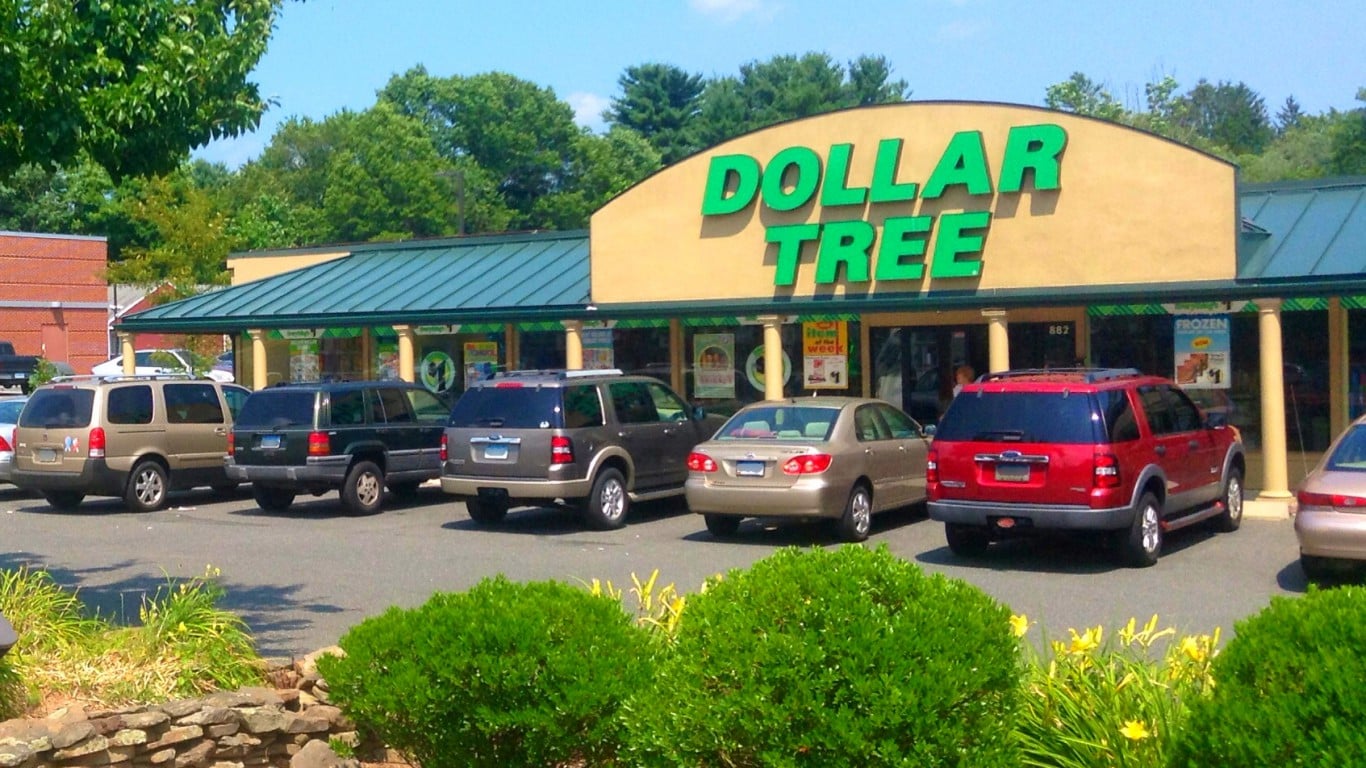
The Gates Foundation Trust sold 2,240,537 Class B shares of Berkshire Hathaway (NYSE:BRK-B | BRK-B Price Prediction) in the quarter ended September 30, 2026. In the same quarter, it started a position of 1,361,022 shares in Dollar Tree (NASDAQ:DLTR), worth about $155 million at quarter-end. Both moves appear in the trust’s 13F filed November 16, 2026.
The Berkshire sale cut the trust’s Class B share count by 15.3%, which left 12,449,307 shares on September 30.
The filer is the trust that manages the Gates Foundation’s endowment assets. It is a separate entity from Bill Gates personally. The trust reported no Microsoft (NASDAQ:MSFT) shares as of either June 30 or September 30, 2026.
How to Read the Berkshire Sale
The trust’s Berkshire stake came largely from Warren Buffett’s donations of Berkshire stock, but the filing does not establish why the trust reduced its position.
A 13F only shows how many shares a fund held at quarter-end, and it leaves out sale prices, timing, and reasons, while a foundation sells shares when it needs cash for grants. Treating this sale as a verdict on Berkshire reads more into the filing than it contains.
Berkshire’s results give little cause for concern. Operating earnings fell to $12.71 billion in Q3 FY26 from $23.49 billion a year earlier, although operating earnings through September rose to $37.03 billion from $34.29. That quarter, the company bought more stock than it sold for the first time in more than three years, putting about $23.5 billion to work, and bought back about $4.5 billion of its own shares.
The stock trades at about 12 times earnings and is up 13.98% year to date at $572.94. Of 15 tracked institutional filers, 9 cut their Berkshire stakes last quarter. Even after its sale, the trust was still the largest holder in that group.

Why Dollar Tree Fits a Patient Portfolio
Dollar Tree has been a simpler business since it sold Family Dollar in July 2025. Its multi-price format, which sells items above the old $1.25 price point, reached about 7,400 stores in Q3 FY26. In that quarter, same-store sales rose 4.6%, and customer traffic grew 3.8%, marking a second consecutive quarter of positive traffic growth.

The company is also returning a lot of cash to shareholders. In Q3, its diluted weighted-average share count fell to 187.6 million from 203.8 million a year earlier. As of October 31, the company had $2.3 billion remaining under its buyback authorization.
Management raised its fiscal 2026 adjusted EPS guidance to $8.05 to $8.25, including about $0.65 in tariff refunds. Its Q4 adjusted EPS guidance of $2.46 to $2.66 includes a $0.25 impact from tariff refund investments.
The stock has risen 36.61% over the past year to $139.10, but it is still 5.12% below where it was five years ago. The filing does not show what price the trust paid.

Is This Trade Worth Following?
Dollar Tree is the move worth studying. The trust put endowment money into a recovery that the numbers support: traffic is growing again. The share count is shrinking, and guidance has gone up. The main risk is that tariff refunds are boosting this year’s earnings, while third-quarter gross margin slipped 10 basis points to 35.7%.
The Berkshire sale matters less. A trust funded with donated Berkshire stock would be expected to sell it, and it tells current shareholders nothing new about the business. Retirement investors looking at Dollar Tree can use the trust’s purchase as a reason to research the multi-price strategy and its economics, then decide for themselves whether the valuation makes sense.
Contact [email protected] for any questions or corrections.
David Beren has been a Flywheel Publishing contributor since 2022. Writing for 24/7 Wall St. since 2023, David loves to write about topics of all shapes and sizes. As a technology expert, David focuses heavily on consumer electronics brands, automobiles, and general technology. He has previously written for LifeWire, formerly About.com. As a part-time freelance writer, David’s “day job” has been working on and leading social media for multiple Fortune 100 brands. David loves the flexibility of this field and its ability to reach customers exactly where they like to spend their time. Additionally, David previously published his own blog, TmoNews.com, which reached 3 million readers in its first year. In addition to freelance and social media work, David loves to spend time with his family and children and relive the glory days of video game consoles by playing any retro game console he can get his hands on.