Musk Calls Cloud Giants ‘Slowpokes.’ What It Means for Amazon, Microsoft and Google.

This post may contain links from our sponsors and affiliates, and Flywheel Publishing may receive compensation for actions taken through them.

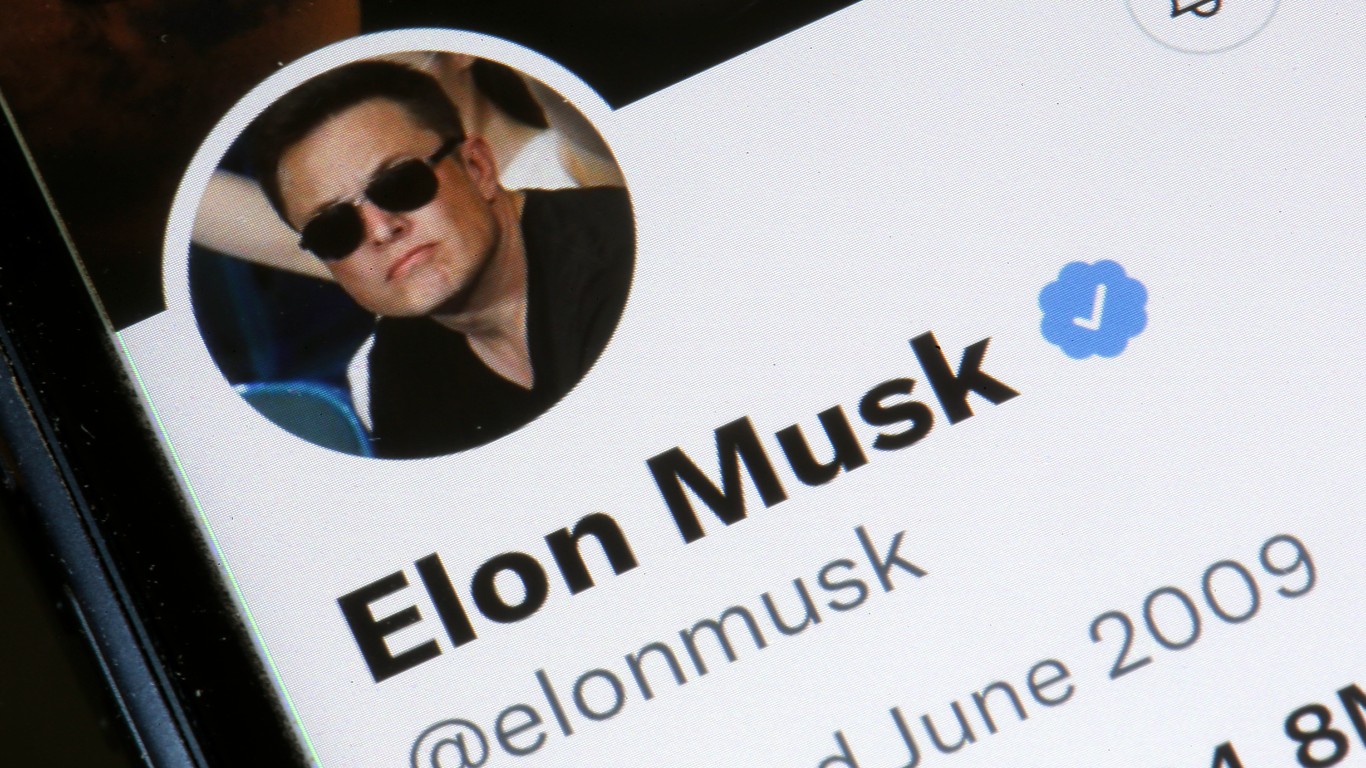
Tesla (NASDAQ:TSLA | TSLA Price Prediction) CEO Elon Musk went after the biggest cloud companies in a post on X on November 28, 2026. He was responding to a user who argued that SpaceX (NASDAQ:SPCX) would have an edge in how fast it can get data centers built and running. Musk wrote: “People have no idea what happens when a super capable hardware company enters an arena of slowpokes. Hyposcalers would be a more accurate description.” TIKR and Wccftech both reported the post, the latter adding that Musk said Google could join Anthropic in renting more compute from SpaceX.
A hyperscaler is one of the few companies that rent out computing power from huge data centers. Compute is raw processing capacity. Musk’s targets were Amazon (NASDAQ:AMZN), Microsoft (NASDAQ:MSFT), and Alphabet (NASDAQ:GOOGL). His own company, SpaceX, competes with all three.
Markets have been closed since the post went up. In the last session, on November 27, 2026, Amazon rose 4.0% to $254.12. Microsoft gained 0.6% to $492.85, Alphabet rose 0.7% to $274.96, and SpaceX 4.8% to $133.59. Every one of those moves came before the post.
Separating the Signed Deals From the Talk
- Build speed (company claim): TIKR reports that SpaceX’s Texas site went from dirt to buildings in 83 days, based on satellite photos.
- Anthropic (disclosed): According to Anthropic’s IPO filing, Anthropic already leases SpaceX compute. Either side can end those deals on 90 days’ notice.
- Google (interest only): Musk says Google “has expressed interest in renting more compute from us.” No expanded agreement has been disclosed.
SpaceX has issued no press release tied to the post.
How Much Each Cloud Giant Has at Stake
Amazon
AWS brought in $45.984 billion[1] in the third quarter, up 39%. Management projects growth above 40%[1] in both 2027 and 2028. Those growth rates point to a fast-moving business.


Microsoft
Azure grew 48%[2], and its commercial backlog reached $677 billion. TIKR reports that Anthropic has committed to at least $47.2 billion of Azure spending through June 2033.


Alphabet
Google Cloud revenue rose 103%[3] to $30.709 billion. If Google leases more from SpaceX, that would suggest demand is exceeding Google’s own capacity.


SpaceX
Its AI segment brought in $7.6 billion[4], up 830%, and Colossus II is being expanded to 1.7 GW. SpaceX gains the most from the slowpoke story, even though its AI segment is still smaller than each rival’s cloud unit.


Why Fast Buildings Still Need Power, Chips, and Customers
Finished buildings still need power, chips, networking, and paying customers before they deliver working compute. (We profiled seven of the suppliers behind that expansion, from power to cooling, in a free report you can grab here.) Texas issued the air permit for the site’s power plant on Nov. 16, and a complaint filed with the state says construction began before the permit was issued. The supposed slowpokes are spending heavily. Amazon expects about $220 billion[1] in 2026 capital spending, and Alphabet spent $51.355 billion[3] in a single quarter. Musk’s post named no new customer, contract length, price, or delivery date. He also runs a direct competitor, so the post is a sales pitch.
Can SpaceX Really Compete for AI Cloud Customers?
Yes, as a fast overflow provider. No, as a near-term threat to the big three. The hyperscalers sign long-term contracts. SpaceX’s disclosed deals can be cancelled in a quarter, and a SemiAnalysis note said Anthropic might not renew part of its capacity. TIKR reports that Anthropic’s ordered capacity should be fully delivered in December. Keep an eye on SpaceX’s next quarterly report. If the AI segment’s revenue tops $7.6 billion[4] and a filing shows a multiyear Google or Anthropic commitment, Musk has earned the jab. If neither happens, the slowpoke post was marketing.
Contact [email protected] for any questions or corrections.
Trey has been an editor and author at 24/7 Wall St. for more than a decade, where he has published thousands of articles analyzing corporate earnings, dividend stocks, short interest, insider buying, private equity, and market trends. His comprehensive coverage spans the full spectrum of financial markets, from blue-chip stalwarts to emerging growth companies.
Beyond 24/7 Wall St., Trey has created and edited financial content for Benzinga and AOL's BloggingStocks, contributing additional hundreds of articles to the investment community.
Trey's editorial expertise extends across multiple publishing environments. He served as production editor at Dearborn Financial Publishing and development editor at Kaplan, where he helped shape financial education materials. Earlier in his career, he worked as a writer-producer at SVE. His freelance editing portfolio includes work for prestigious clients such as Sage Publications, Rand McNally, the Institute for Supply Management, the American Library Association, Eggplant Literary Productions, and Spiegel.
Outside of financial journalism, Trey writes fiction and has been an active member of the writing community for years, moderating workshop sessions at regional conventions.