Silver Made America’s Critical Minerals List. This ETF Is the Easiest Way In
Washington just handed silver a designation that lithium and cobalt already carry, and the fallout for stock investors is more complicated than the headlines suggest. Knowing what the label actually triggers changes how much of your portfolio belongs anywhere near…

This post may contain links from our sponsors and affiliates, and Flywheel Publishing may receive compensation for actions taken through them.
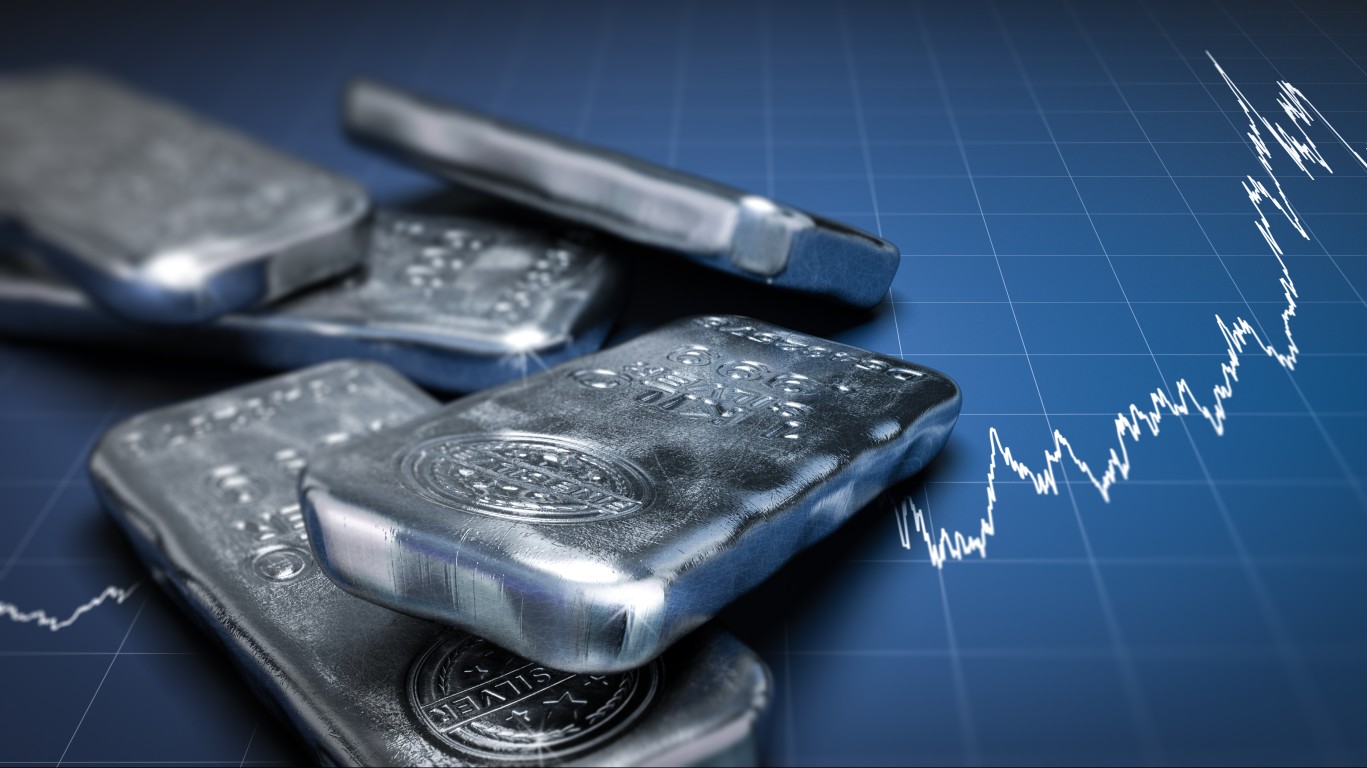
Silver landed on the U.S. Critical Minerals List this year, and that designation has quietly changed how a lot of stock investors think about the metal. It sits alongside lithium, cobalt, and rare earths as materials Washington considers essential to national security and the energy transition. For anyone who wants exposure without opening a futures account or paying dealer premiums on coins, the iShares Silver Trust (NYSEARCA:SLV) is the default vehicle. It holds physical bullion in a vault and tracks the spot price of silver, less expenses, with no equities, no dividend, and no option premium involved.
The question is whether the federal label pulls durable new money into SLV or whether recent price action already tells you what to expect. Silver has run hard over the past year and then given back some, which is the exact pattern that decides whether SLV belongs as a satellite position or a core holding. It belongs on the satellite side.
What the Critical Minerals Label Actually Does
The designation directs federal permitting priority, research funding, and potential loan support toward domestic supply chains. It does not create an end-user order for a single ounce of silver.
That distinction matters. The label helps miners and refiners plan around policy, but it does not guarantee a bid from any federal agency the way a defense contract would.
Since designation, SLV delivered +53% trailing year. But the fund is down 7% year to date and 5% over the last month. That gap signals the policy news was priced quickly, with follow-through coming from cyclical industrial demand, not Washington.
Silver’s Double Life as Hedge and Input
Roughly half of annual silver demand is industrial, spanning solar photovoltaics, EV electronics, and data-center connectors. The other half is investment and jewelry, where safe-haven flows show up.
That split cuts both ways. In a growth scare, industrial demand softens while investment demand firms. Silver rarely gets to have it both ways at once, which is why the price can look volatile inside an otherwise bullish year.
Most primary silver arrives as a byproduct of mining copper, lead, and zinc, which means production is set by the economics of other metals. When silver rallies, mining companies cannot easily flip a switch to add ounces.
That inelastic supply is why silver squeezes can be violent and why price spikes tend to overshoot fundamentals. Inventory can stack up when industrial demand cools, with no fast producer response to clear it.
Volatility Decides the Position Size
Over the trailing year, SLV returned +53%, while the SPDR Gold Shares (NYSEARCA:GLD) returned +17%. Silver ran roughly three times harder than gold on the upside.
Year to date, SLV is down 7% vs. GLD at +1%. Silver led the rally and is now leading the give-back.
If you would be uncomfortable watching a 5% position lose half in a bad year, size accordingly. Disciplined allocators typically cap SLV between 2% and 5% of a diversified portfolio.
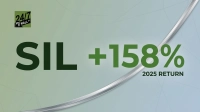
abrdn Physical Silver Shares (NYSEARCA:SIVR) is another physically backed option with a lower expense ratio, and Sprott Physical Silver Trust (NYSEARCA:PSLV) offers allocated bars with a redemption feature but frequently trades at a premium or discount to NAV. Global X Silver Miners (NYSEARCA:SIL) holds mining stocks rather than metal.
Bull and Bear Case for SLV ETF
The bull case rests on industrial demand growing in solar and vehicle electrification, running into byproduct-dominated supply that cannot respond quickly. That is the classic tight-market setup that has driven every silver rally in memory.
The bear case is that the trailing gain of +53% has already priced in much of the story, the year-to-date drawdown suggests the marginal buyer has stepped back, and holding SLV pays nothing while you wait.
Tax friction is real too. SLV is taxed as a collectible for U.S. investors, so long-term gains can be hit at up to 28% rather than the standard long-term capital-gains rate.
The deciding variable is industrial demand growth over the next two years. If solar installations and EV builds track current forecasts, silver has room to reprice higher. If they disappoint, the year-to-date loss previews more weakness ahead.
SLV is the cleanest way to own silver inside a brokerage account and fits as a 2% to 5% satellite for investors who want industrial-metals exposure and an inflation hedge without the operating leverage of miners. Anyone looking for a core holding or steady income should look elsewhere.
Contact [email protected] for any questions or corrections.
Omor Ibne Ehsan is a writer at 24/7 Wall St. He is a self-taught investor with a focus on growth, cyclical, and dividend equities that have strong fundamentals, value, and long-term potential. He also has an interest in high-risk, high-reward investments such as penny stocks.