Musk’s Election Bet Backfires on Tesla, and Your Index Fund Owns a Piece of It
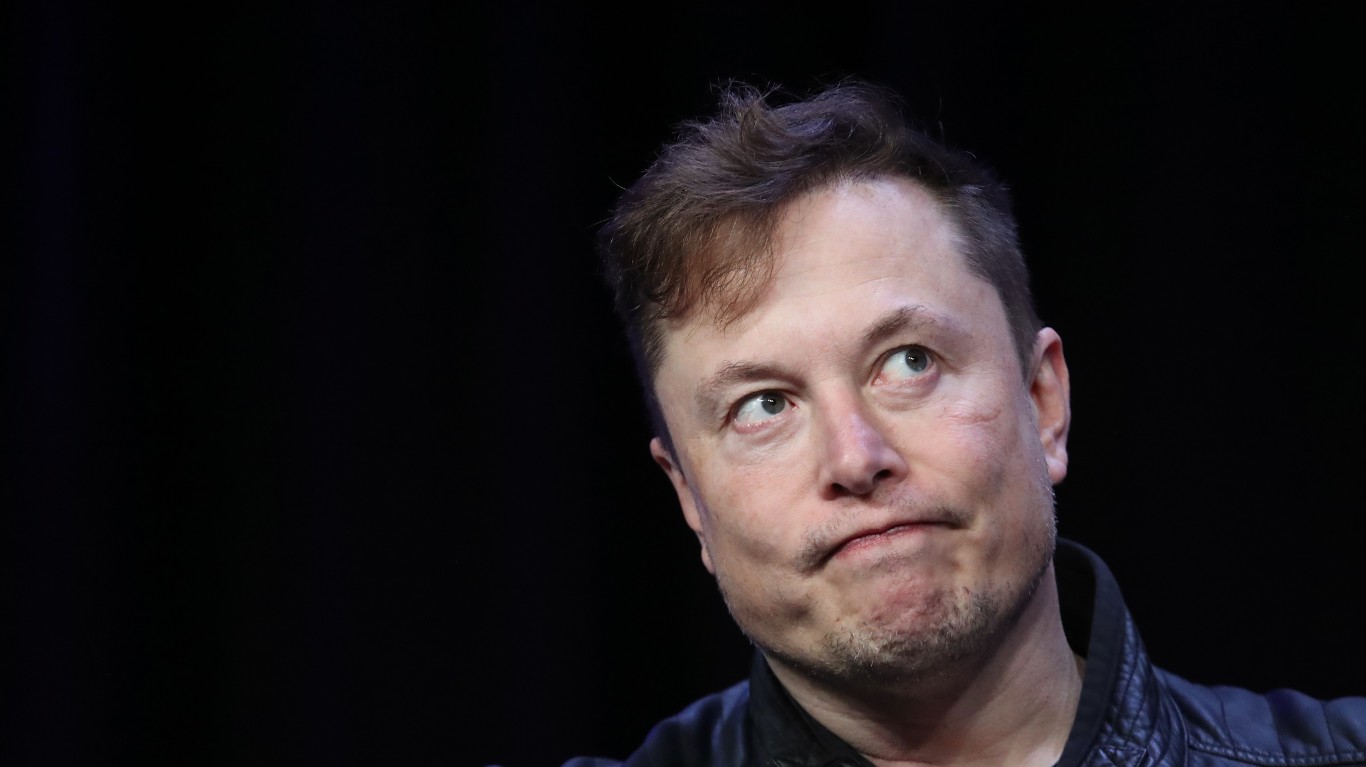
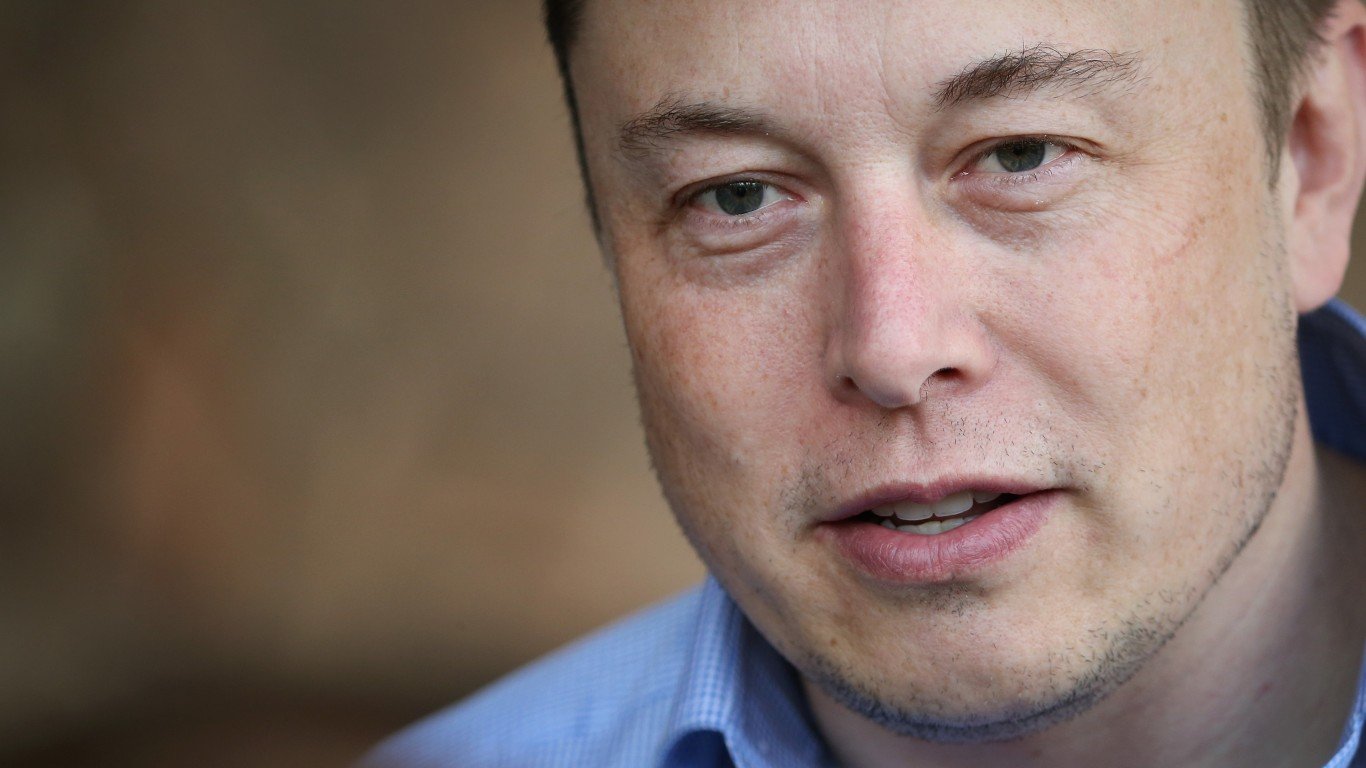
Elon Musk spent more than any other donor in the midterms, the results went the wrong way, and now the fallout is sitting inside retirement accounts that never placed a single political bet.

This post may contain links from our sponsors and affiliates, and Flywheel Publishing may receive compensation for actions taken through them.

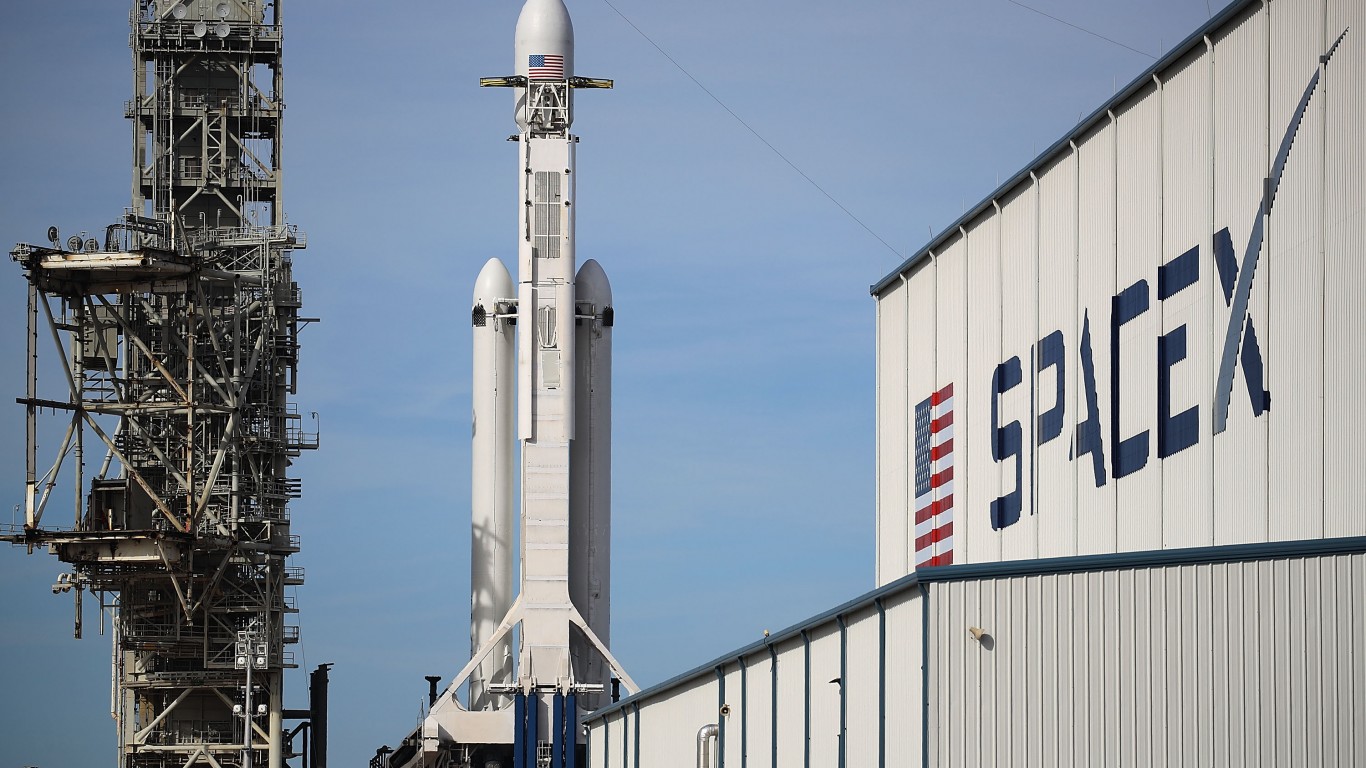
Tesla (NASDAQ:TSLA | TSLA Price Prediction) shares are down 2.71% in Wednesday’s regular session, trading at $387.70 as of 10:28 AM ET. The drop follows midterm results that gave Democrats control of Congress, according to Associated Press projections, while candidates supported by Elon Musk lost races across the country. Musk, CEO of both Tesla and SpaceX, outspent every other donor in the midterms (SpaceX shares are also lower). Owning a Nasdaq-100 fund, a consumer discretionary ETF, or an S&P 500 index fund means you already hold part of that loss.

Why Texas Is at the Center of the Selloff
Musk’s preferred Texas candidates, Senate nominee Ken Paxton and Gov. Greg Abbott, lost. Democrat James Talarico is now the state’s senator-elect, per CNBC. Tesla’s biggest U.S. car plant is just outside Austin. Democratic Gov.-elect Gina Hinojosa campaigned against corporate subsidies and has called for a stop to new data center construction. Republicans still hold the state Legislature, though, which limits how much she can change.
AJ Bell investment director Russ Mould said in a note that the stocks faced pressure “primarily because Texas has a new Democrat senator and that state is home to the HQs and a lot of the facilities of both Tesla and SpaceX” (via Bloomberg).
Other risks are on the table too. Bloomberg reports that investors are considering tighter AI regulation and new uncertainty around a possible Tesla and SpaceX combination, which is still only being explored. CNBC notes that a Democratic Congress could open inquiries into Musk’s government contracts and his earlier role running the Department of Government Efficiency. Vikram Rai of First New York told Bloomberg last week that Democrats could slow a merger, but Congress can’t block one on its own. President Trump also keeps his veto power and his oversight of executive agencies, so none of these results are a sure thing.
Which Funds Hold Tesla and How Much
The figures below come from the funds’ most recent portfolio filings.
| Fund | Tesla Weight | Tesla Position Value | Holdings Date |
|---|---|---|---|
| Consumer Discretionary Select Sector SPDR (NYSEARCA:XLY) | 19.64% | $4.44 billion | June 30, 2026 |
| The Invesco QQQ (NASDAQ:QQQ) | 3.30% | $16.16 billion | June 30, 2026 |
The Consumer Discretionary Select Sector SPDR has the largest exposure. Tesla makes up nearly a fifth of its net assets, and only one holding is larger, at 22.22%. At that weight, today’s Tesla fall takes out about 0.53 percentage points from the fund. Even so, the ETF is up 3.69% today at $121.66, which means gains in its other holdings more than made up for Tesla.
Invesco QQQ held 38,410,623 Tesla shares. Today’s move cost the fund about 0.09 percentage points.
Core retirement funds such as Vanguard S&P 500 ETF (NYSEARCA:VOO) and Vanguard Total Stock Market ETF (NYSEARCA:VTI) also own Tesla, weighted by market cap. With Tesla valued at $1.537 trillion, it ranks among the larger positions in both funds. Since both funds spread their money across hundreds of companies, a single-day Tesla drop moves them less than it moves the sector fund.
Overlap Means One Headline Hits Several Funds
Picture a 401(k) that holds an S&P 500 fund, a Nasdaq-100 fund, and a consumer discretionary fund. That investor owns Tesla three separate times. On a day like today, each position takes the same Musk-driven hit, and the combined exposure can be much bigger than any one fund’s weighting suggests.
That concentration is expensive. Tesla trades at 415 times earnings and is down 13.78% year to date. Over ten years, though, it has made 2952.27%, which explains why index funds hold so much of it (riding a multiple like that is fine as long as you know the exit plan, which is the whole point of our free bubble survivor’s handbook). In the third quarter, adjusted EPS of $0.48 beat the $0.45 estimate, but operating income fell 55.79% to $718 million as R&D spending rose. Management has raised capex guidance to approximately $20 billion for the year.

Much of Tesla’s valuation depends on regulators. On the October call, Musk said Tesla would handle most passenger miles worldwide “unless we are stopped by governments, which is certainly a possibility.” When a company’s growth story relies this heavily on policy, election results become a real factor for the stock.
What Fund Holders Should Track Next
- Texas policy: Watch whether Hinojosa’s position on subsidies and data centers gets past a Republican Legislature.
- Merger process: Special committees of independent directors at both companies are examining a combination. Any deal would need approval from Tesla shareholders.
- Autonomy milestones: Management expects EU-wide FSD approval, saying it “would be surprised if it takes longer than Q1.” A Robotaxi launch in Dallas is also planned.
- Updated fund filings: The weights above are from June 30. Check your funds’ latest holdings and run an overlap tool to see your total Tesla exposure across accounts.
Index investors control how many of their funds hold Tesla, and today’s move shows what that overlap costs.
Contact [email protected] for any questions or corrections.
Ryne Mauck is an investment writer covering exchange-traded funds, retirement planning, and portfolio strategy. Through his work at 24/7 Wall St. and other investment platforms, including Seeking Alpha, he aims to provide clear, research-driven insights that help investors make more informed decisions while maintaining a long-term approach to investing.
Ryne holds a B.Sc. in Finance and an M.A. in Political Science. He is a formerly registered Municipal Advisor Representative and has passed the Series 50, Series 63, and Series 65 exams. His articles are not intended to be, nor should they be interpreted as, financial advice.